



Most people assume electric vehicles are easier on brakes. They’re right, sort of. Regenerative braking does most of the slowing, so the friction brakes barely get used. Brake pads on a Tesla Model 3 or Model Y can last 100,000 miles or more. Some owners go the entire life of the vehicle without replacing pads.
Sounds great, right? Less wear, less maintenance, lower cost of ownership.
There’s a catch. While EV brake pads last longer, EV brake rotors corrode faster. And corrosion on a brake rotor isn’t just a cosmetic issue. It affects braking performance, creates noise, and can turn a component that should last the life of the vehicle into one that needs replacing surprisingly early.
Why EV Brakes Corrode Faster
On a gas-powered vehicle, every time you press the brake pedal, the pads contact the rotors. That friction contact scrubs the rotor surface clean, removing any surface rust that has developed since the last time you braked. In normal daily driving, this happens hundreds of times per trip. The rotors stay clean because they’re constantly in use.
On an EV with regenerative braking, the friction brakes may not engage at all during a routine commute. Tesla’s one-pedal driving mode can bring the vehicle to a near-complete stop using regen alone. The friction brakes only activate during hard stops, very low-speed final stops, or emergency braking.
That means the rotor surface can go days or even weeks without meaningful pad contact. During that time, the bare cast iron surface is exposed to moisture, road spray, humidity, and (in northern climates) road salt. Rust forms on the friction face, the edges, the hat section, and the cooling vanes.
When the friction brakes do finally engage, the pads have to scrub through that layer of corrosion before they reach clean iron. That scrubbing creates noise (the grinding or scraping sound EV owners report after the vehicle sits for a few days), accelerated pad wear during the de-rusting process, and an uneven rotor surface that develops over time.
The Specific Problems Corrosion Creates
Noise After Sitting
The most common complaint from EV owners: a grinding, scraping, or groaning sound from the brakes after the vehicle has sat overnight or over a weekend. This is the brake pads scrubbing through surface rust on the rotor face. On a gas vehicle, this happens too, but it clears up within one or two stops because the pads are in regular contact with the rotors. On an EV, the rust layer is thicker because the rotors went longer without pad contact, and it takes more aggressive braking to clean it off.
The noise itself isn’t dangerous. It’s annoying. And for owners who spent $40,000 to $80,000 on a premium electric vehicle, an unexpected grinding sound from the brakes feels wrong, even if it’s technically normal.
Rotor Surface Degradation
Surface rust that repeatedly forms and gets scrubbed away creates an uneven rotor surface over time. The friction face develops pitting (tiny craters where corrosion ate into the iron before being ground away). That pitting reduces the effective friction area between the pad and rotor, which can marginally increase stopping distances.
In severe cases, the corrosion can create enough surface irregularity that disc thickness variation (DTV) develops. DTV is what causes brake pulsation, the vibration you feel through the pedal or steering wheel during braking. Most people call it “warped rotors,” but the rotors aren’t warped. They’re just no longer uniformly thick around their circumference because corrosion removed material unevenly.
Edge and Hat Corrosion
The friction faces at least get periodic cleaning from pad contact. The edges, hat section (center mounting area), and internal cooling vanes never contact the pad at all. On an EV, these areas corrode aggressively, especially in humid or salt belt climates.
Heavy edge corrosion can eventually affect the structural integrity of the rotor. The edges become rough, flaky, and visually ugly through open-spoke wheels. Hat section corrosion doesn’t affect braking directly, but it looks terrible and can accelerate hub-to-rotor contact issues if the mounting surface deteriorates.
Which EVs Are Most Affected?
Any EV with aggressive regenerative braking and one-pedal driving capability is susceptible. The vehicles seeing the most corrosion complaints:
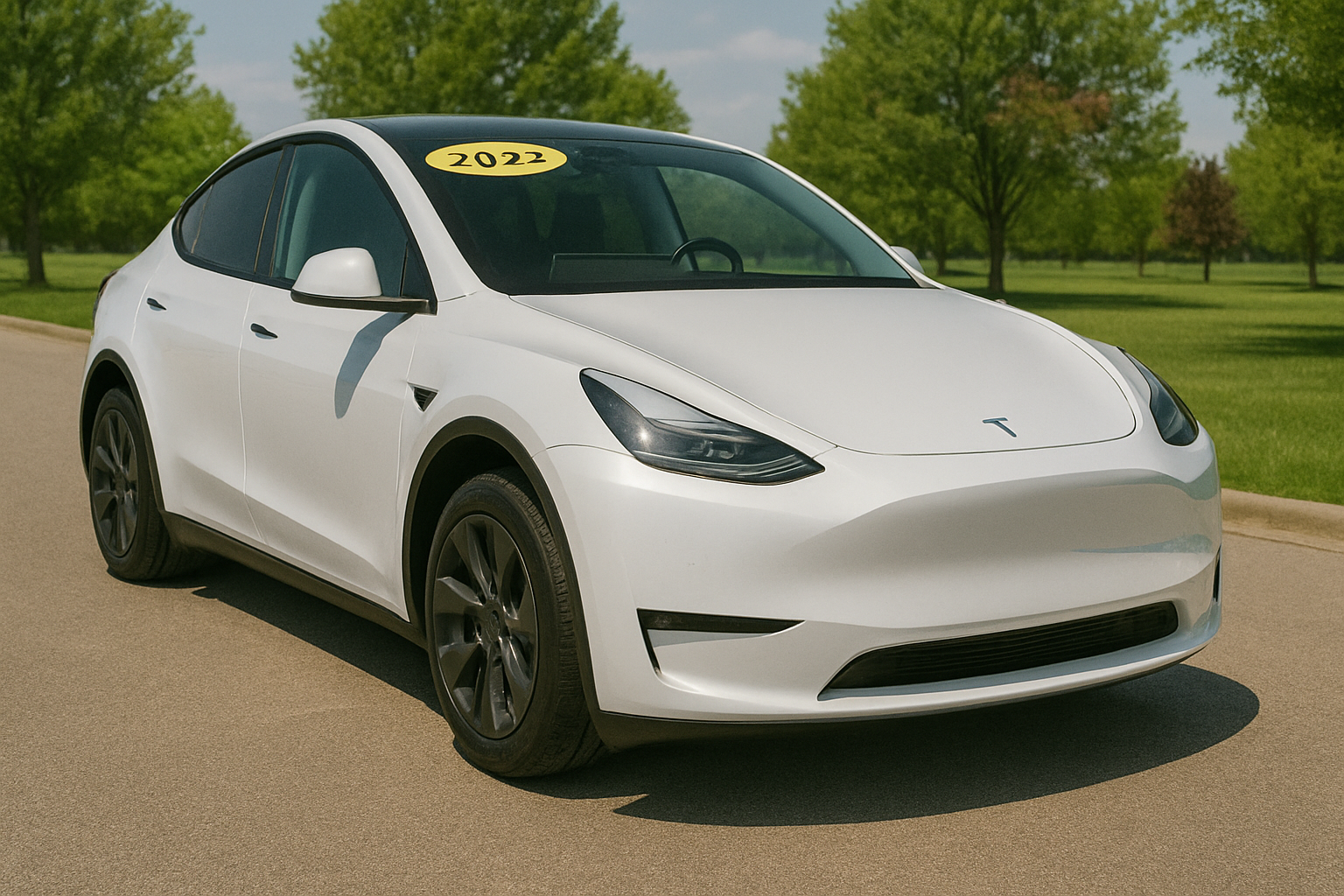
Tesla Model 3 and Model Y. The most popular EVs in America, with very strong regenerative braking that minimizes friction brake use. Owners in northern states report significant rotor corrosion within 2 to 3 years.
Chevrolet Bolt. Strong one-pedal driving mode means minimal friction brake engagement in normal driving. Returning for 2027 after a production gap.
Ford Mustang Mach-E. Aggressive regen tuning, especially in “L” mode, reduces friction brake use substantially.
Hyundai Ioniq 5 / Kia EV6. Both use i-Pedal/one-pedal mode that captures most braking energy electrically.
Rivian R1T and R1S. Large, heavy EVs with strong regen that rarely use friction brakes in normal driving.
The severity of corrosion depends on climate, driving patterns, and how often the driver uses the friction brakes intentionally. An EV in Arizona is going to have less corrosion than the same vehicle in Minnesota.
How to Prevent and Manage EV Rotor Corrosion
Drive the Friction Brakes Occasionally
The simplest prevention: use the friction brakes on purpose. Once a week (or more often in humid or salty conditions), apply moderate brake pressure during a few stops to scrub the rotor surfaces. You don’t need to stomp on the pedal. Normal moderate braking from 30 or 40 mph a few times is enough to clean the friction faces.
Some EV owners turn down the regenerative braking intensity once a week to force more friction brake use. This is effective but not always convenient if you’ve grown accustomed to one-pedal driving.
Inspect Rotors During Tire Rotations
EV owners still get tire rotations (or should). During each rotation, have the technician visually inspect the rotor surfaces. Look for pitting, excessive edge corrosion, and uneven wear patterns. Catching corrosion-related damage early gives you more options than waiting until the rotors are pitted and producing pulsation.
Consider Coated Rotors at Replacement Time
This is the biggest upgrade an EV owner can make for their brake system. When the time comes to replace rotors (either due to corrosion damage or as part of a routine brake service), install coated rotors instead of bare iron.
A quality coated rotor has a corrosion-resistant finish on the hat section, edges, and cooling vanes. These are the areas that never contact the pad and therefore never self-clean. The coating prevents the rust that makes EV rotors look terrible and eventually degrade.
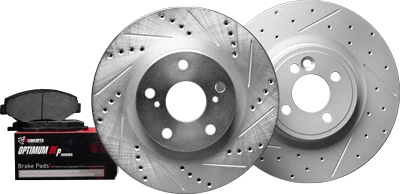
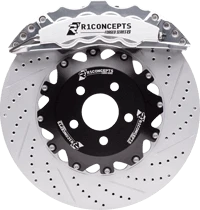
R1 Concepts rotors feature Geomet coating as standard. Geomet is a zinc-aluminum flake coating that provides exceptional corrosion resistance, even under the thermal cycling that brake rotors experience. For EV owners, the coating is especially valuable because those non-friction surfaces aren’t getting the natural corrosion prevention that frequent pad contact provides on gas vehicles.
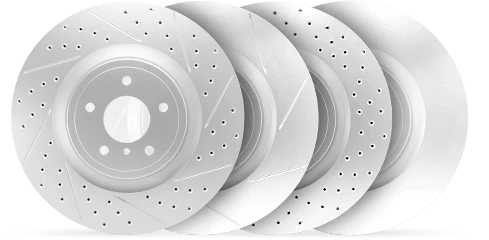
R1 eLine drilled and slotted rotors with Geomet are an excellent EV upgrade. The drilled and slotted pattern doesn’t just look good through your wheels. It also helps channel away the moisture and debris that contribute to friction surface corrosion, and the slots provide a mild scrubbing action on the pads during the infrequent times the friction brakes engage.
Keep Brake Fluid Fresh
EV brake fluid doesn’t get as hot as frequently as it does in a gas vehicle, but it still absorbs moisture over time. Moisture in brake fluid accelerates internal corrosion of the calipers, brake lines, and ABS module. Follow your vehicle manufacturer’s brake fluid replacement interval (typically every 2 to 4 years), even though the fluid isn’t being thermally stressed as often.
When to Replace EV Brake Rotors
Unlike gas vehicles where rotors are typically replaced based on thickness (worn below minimum spec from pad friction), EV rotors are more likely to need replacement based on corrosion damage.
Replace if:
- Friction surfaces are visibly pitted (not just surface rust, but actual craters in the iron)
- You’re experiencing brake pulsation that doesn’t resolve after a few hard stops
- Edge corrosion is severe enough that material is flaking off
- Disc thickness variation (measured with a micrometer) exceeds the manufacturer’s specification
- The rotor surface is too degraded for new pads to establish proper contact
Don’t worry about:
- Light surface rust after sitting overnight or over a weekend (this is normal and clears with a few stops)
- Slight discoloration or staining on the friction face
- Minor cosmetic corrosion on the hat section if it’s not affecting the mounting surface
FAQ
Do electric cars need brake pads at all?
Yes. While regenerative braking handles most slowing, the friction brakes are still essential for hard stops, emergency braking, low-speed final stops, and situations where regen is limited (like a fully charged battery that can’t accept more energy). Pads last much longer on EVs, but they’re still a wear item that eventually needs replacement.
How long do EV brake pads last?
Typical EV brake pad life is 60,000 to 100,000+ miles, depending on driving style and how much friction braking is used. Some owners report original pads lasting the life of the vehicle. Corrosion-related rotor replacement often happens before pad replacement on EVs.
Is EV brake rotor corrosion covered under warranty?
Brake rotors are typically classified as wear items and are not covered under the vehicle’s bumper-to-bumper or powertrain warranty beyond a short initial period. Check your specific warranty terms, but most EV owners will be responsible for corrosion-related rotor replacement.
Can I use regular brake pads on my EV?
Yes. EVs use standard hydraulic disc brake systems. Any brake pad that fits your specific EV model will work. For EVs, a ceramic compound is ideal because the low-speed, low-temperature braking conditions EVs primarily experience are exactly where ceramic excels. A semi-metallic pad’s advantages (heat tolerance) aren’t as relevant on a vehicle that rarely uses friction brakes aggressively.
Should I turn off regenerative braking to save my rotors?
You don’t need to turn it off entirely. Just use the friction brakes intentionally a few times per week to keep the rotor surfaces clean. The fuel efficiency benefits of regenerative braking far outweigh the minor maintenance consideration of occasional friction brake use.
Shop EV-compatible brake pads, coated rotors, and complete brake kits at r1concepts.com. Use the vehicle search to find parts for your specific electric vehicle.
The irony of EV brakes: they last longer, but they rust faster. A little intentional friction brake use and coated rotors at replacement time are all it takes to keep your EV’s braking system in top condition.