


A brake kit takes the guesswork out of replacing several braking components together during routine service work. Instead of matching parts individually, you get components selected to work together on your specific vehicle application. That matters whether you replace worn parts or change how your brakes handle different driving demands daily.
What Is a Brake Kit?
A brake kit packages braking components selected specifically for your vehicle application and intended braking requirements. Most kits center on components that normally wear during regular brake service and require eventual replacement.
Common components include:
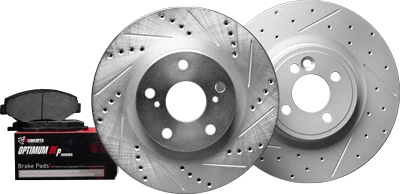
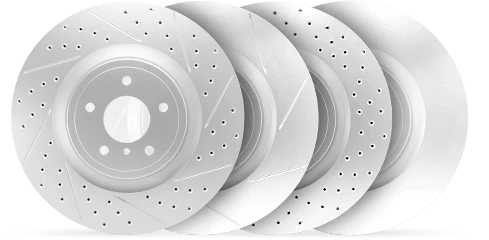
- Brake rotors: The discs providing the braking surface your brake pads clamp against during every stop.
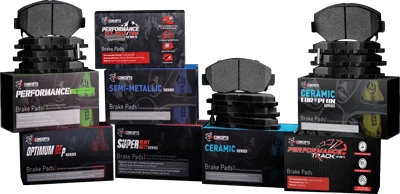
- Brake pads: The friction material pressing against your rotors to slow your vehicle during braking.
- Hardware: Clips, shims, and related pieces supporting proper brake component fitment during scheduled braking system service.
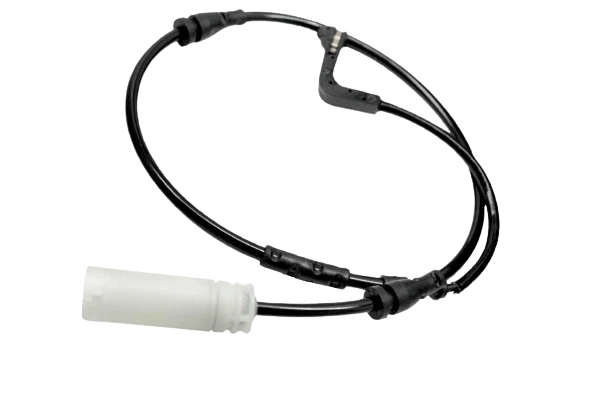
Some brake kits may include other components, depending on your selected package and intended driving application. Matching these parts within one kit can simplify your purchasing decisions and streamline service planning considerably.
Brake Kit Components
Brake pads and rotors form the core of many brake kits designed for different driving conditions. Different pad compounds and rotor designs can suit your particular driving conditions and expected braking demands better. Brake pads may use ceramic, carbon-fiber ceramic, or semi-metallic compounds depending on your intended driving application. Their friction characteristics affect your pedal feel, braking behavior, dust, noise, and resistance to brake fade significantly.
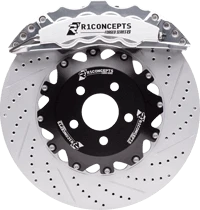
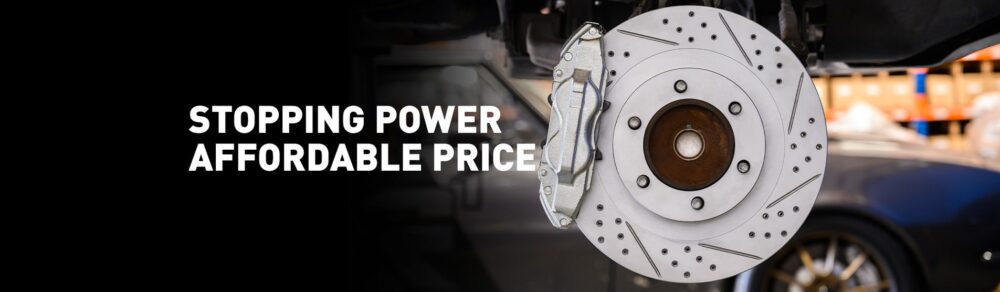
Rotors provide your braking surface while managing heat created during repeated stops and demanding braking situations. Drilled and slotted designs can improve cooling while clearing gas, dust, and debris from contact surfaces.
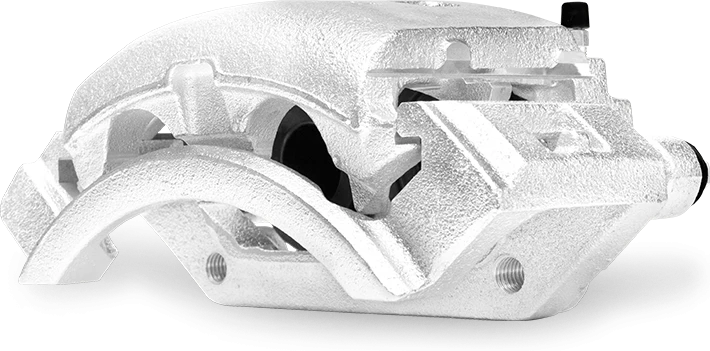
Some brake packages may include calipers that squeeze your pads against rotors when hydraulic braking pressure arrives. Brake lines can also be included within larger braking packages designed for more complete system upgrades. Stainless steel or braided steel lines handle hydraulic pressure while providing you with more responsive pedal feedback.
The master cylinder converts pressure from your brake pedal into hydraulic pressure throughout the braking system. That pressure travels through your braking system and activates the calipers whenever you press your brake pedal.
The Benefits of a Brake Kit for Braking Performance
Buying compatible parts together removes uncertainty when you are selecting rotors, pads, and hardware separately for replacement. You spend less time checking whether individual braking components properly match your vehicle and chosen driving application. A kit may also cost less than purchasing each braking component separately for your particular vehicle application. Your exact value depends on the vehicle, included components, and brake package you ultimately select for your needs.
Your driving demands matter because commuters, tow vehicles, off-road trucks, and performance cars load brakes differently.
We offer brake kit combinations for different uses, helping you choose components around your driving needs.
How to Choose the Right Brake Kit for Your Vehicle
Start with your vehicle because brake kits remain application-specific and must match your exact braking configuration correctly. The parts need to match your year, make, model, and braking configuration before you make a purchase. Then look carefully at how you normally use your vehicle and what braking demands you regularly encounter:
- Daily commuting: Blank rotors with ceramic pads can suit you when quiet braking and lower dust matter most.
- Towing and off-roading: Drilled and slotted rotors may suit heavier loads, increased heat, dirt, and demanding conditions better.
- High-performance driving: Higher-friction pads and performance-focused rotors can better match repeated hard braking and higher operating speeds.
- Big brake kits: Larger rotors and calipers can provide greater braking capacity and improved heat management when needed.
Road conditions can also affect your choice when wet, dirty, or muddy environments are part of driving. Slotted rotor surfaces may help clear debris when you regularly travel through wet, dirty, or muddy conditions. Your normal use should guide the package you select because driving demands determine useful braking characteristics most. A setup built around repeated hard stops may provide little practical benefit during routine daily commuting alone.
Installation and Maintenance
Brake kit service involves safety-sensitive components, so the work should be handled by someone properly equipped.
Brake pads wear according to vehicle use, road conditions, braking habits, and the pad compound selected. The published replacement range is every 30,000 to 50,000 miles, although your actual wear may vary significantly.
You should replace worn rotors instead of machining, resurfacing, or turning them during routine brake service work. Machining removes material, leaving your rotor thinner and reducing its ability to absorb braking heat effectively. It also brings your rotor closer to minimum thickness, making replacement the better approach when service becomes necessary.
Brake fluid was also listed on a 30,000 to 50,000-mile replacement interval for routine service planning. Service needs can vary, so fluid condition and your vehicle’s maintenance requirements should guide replacement timing instead.
Regular inspections can reveal worn pads, damaged lines, caliper problems, and other visible braking system issues early. Pay attention whenever you notice changes in braking feel, unusual sounds, or your vehicle’s stopping behavior.
Safety and Reliability
A brake kit still depends on correct fitment, installation, and maintenance throughout its service life on your vehicle. Even well-matched components cannot compensate for damaged hardware, incorrect installation, or neglected braking system wear over time. Component quality matters because pads, rotors, lines, calipers, and hydraulic parts operate together during every stop. A problem in one area can change how your entire vehicle responds when you apply the brakes.
Routine inspection also gives you opportunities to identify uneven wear or damaged braking components before problems worsen. You should replace brake parts based on condition instead of waiting for a fixed mileage interval alone.
Why R1 Concepts Brake Kits with Drilled and Slotted Rotors?
Our brake kits cover daily driving, towing, off-road use, and performance applications for different vehicle needs. That range lets you choose braking components around your vehicle’s actual workload and regular driving environment better. Drilled and slotted rotors manage heat while their slots clear gas, dust, and debris from surfaces. Those characteristics become more relevant as brake temperatures rise and repeated braking demands increase during demanding driving.
For everyday road use, your driving habits should still determine whether that rotor design makes practical sense. A more aggressive rotor design is not automatically the right braking choice for every vehicle application.
Warranty and Support
We cover R1 Series Brake Rotors for one year against material and workmanship defects for original purchasers. R1 Series Brake Pads and Shoes and R1 Forged Series Big Brake Kits receive 30-day limited warranties. R1 Stainless Steel Brake Lines receive limited lifetime coverage against materials and workmanship defects for original purchasers. Coverage excludes normal wear, brake noise, brake dust, improper installation, improper bedding, and racing or track use.
Full terms are on the R1 Concepts warranty page.
Technical support can also help when you have questions about fitment, components, or compatibility before purchasing. Customer service gives you another contact point when questions arise before or after your brake kit purchase.
Ready to Upgrade? Find Your Perfect Brake Kit Today
Whether replacing worn brakes or changing your setup, start with parts matching your vehicle and driving needs. Our brake kits combine compatible braking components, helping you select rotors, pads, and related parts efficiently. Before ordering, confirm your vehicle application, typical driving conditions, and the braking demands your kit must support. The right kit starts with correct fitment and a realistic understanding of how you actually use brakes.
Why R1 Concepts Is Worth a Look
We offer brake kit combinations suited to daily driving, towing, off-road use, and performance applications. You can match pads and rotors to your actual driving demands instead of choosing components independently.
Shop R1 Concepts brake pads, brake rotors, brake kits and brake calipers.