


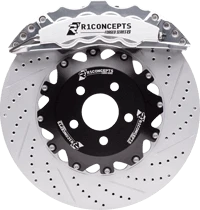

Brake calipers turn hydraulic pressure from your braking system into clamping force that slows your vehicle. They sit around your brake rotor and hold the pads that contact its surface during braking. Inside each caliper, the housing, pistons, pads, seals, and related hardware work together as one assembly. Their condition affects how evenly your brakes apply and release during normal driving and repeated stops.
What Are Brake Calipers?
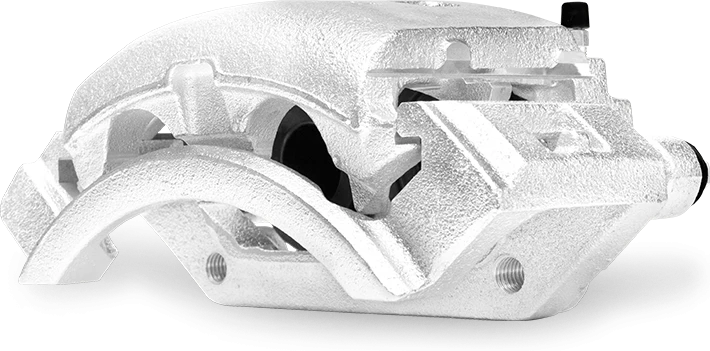
A brake caliper forms part of your disc brake system and sits close to each wheel’s rotor. When you press the brake pedal, hydraulic pressure moves the caliper pistons toward your brake pads. The pads then press against your rotating rotor, creating friction needed to slow your vehicle’s wheel.
Your vehicle may use floating, sliding, fixed, or differential bore calipers depending on its braking system.
Caliper housings on your vehicle are commonly made from materials such as cast iron or aluminum. Their design and material vary according to your vehicle’s intended application and braking system requirements.
Parts and Components of a Brake Caliper
Several parts inside your caliper work together each time you use your vehicle’s brakes. Main components include the housing, pistons, brake pads, and hardware that guides your caliper’s movement.
Caliper Housing
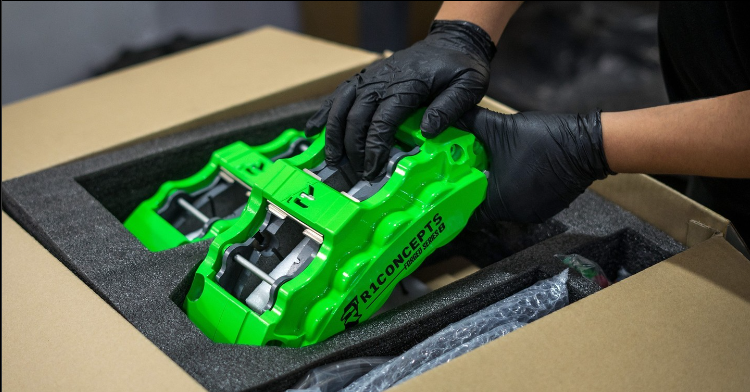
The housing forms your caliper assembly’s main structure and supports its other braking components. It must tolerate the heat and forces your brakes create during repeated braking situations. Your caliper housing may be made from aluminum or forged steel, depending on its design. The housing also positions your pistons and pads for applying pressure evenly against the rotor surface.
Caliper Pistons
The pistons provide the force that pushes your brake pads toward the vehicle’s rotor surface. Brake fluid pressure moves your caliper pistons outward whenever you press the brake pedal. When you release your brake pedal, the caliper pistons retract slightly from the rotor surface.
They remain slightly separated from your rotor when the brakes are not being actively applied. That small clearance prevents constant pad contact while keeping your braking system ready for your next stop.
Brake Pads
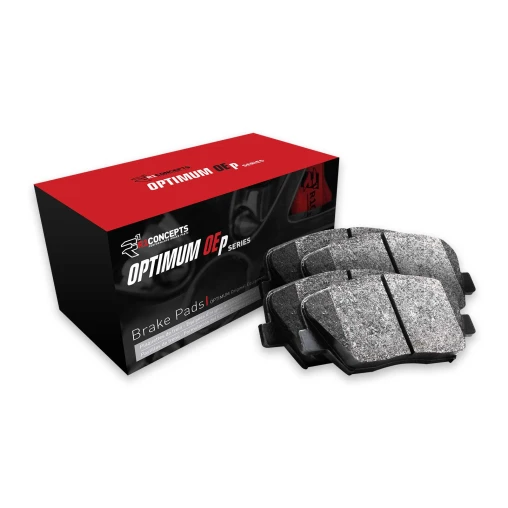
Brake pads provide the friction surface inside your caliper and contact the rotor during braking. Their linings press against your rotor as hydraulic pressure moves the caliper pistons toward the pads.
Your brake pads may use organic compounds, semi-metallic materials, or ceramic materials depending on their application. Each material behaves differently for you under heat, wear, noise, and repeated braking conditions.
How a Brake Caliper Fits Into the Disc Brake System
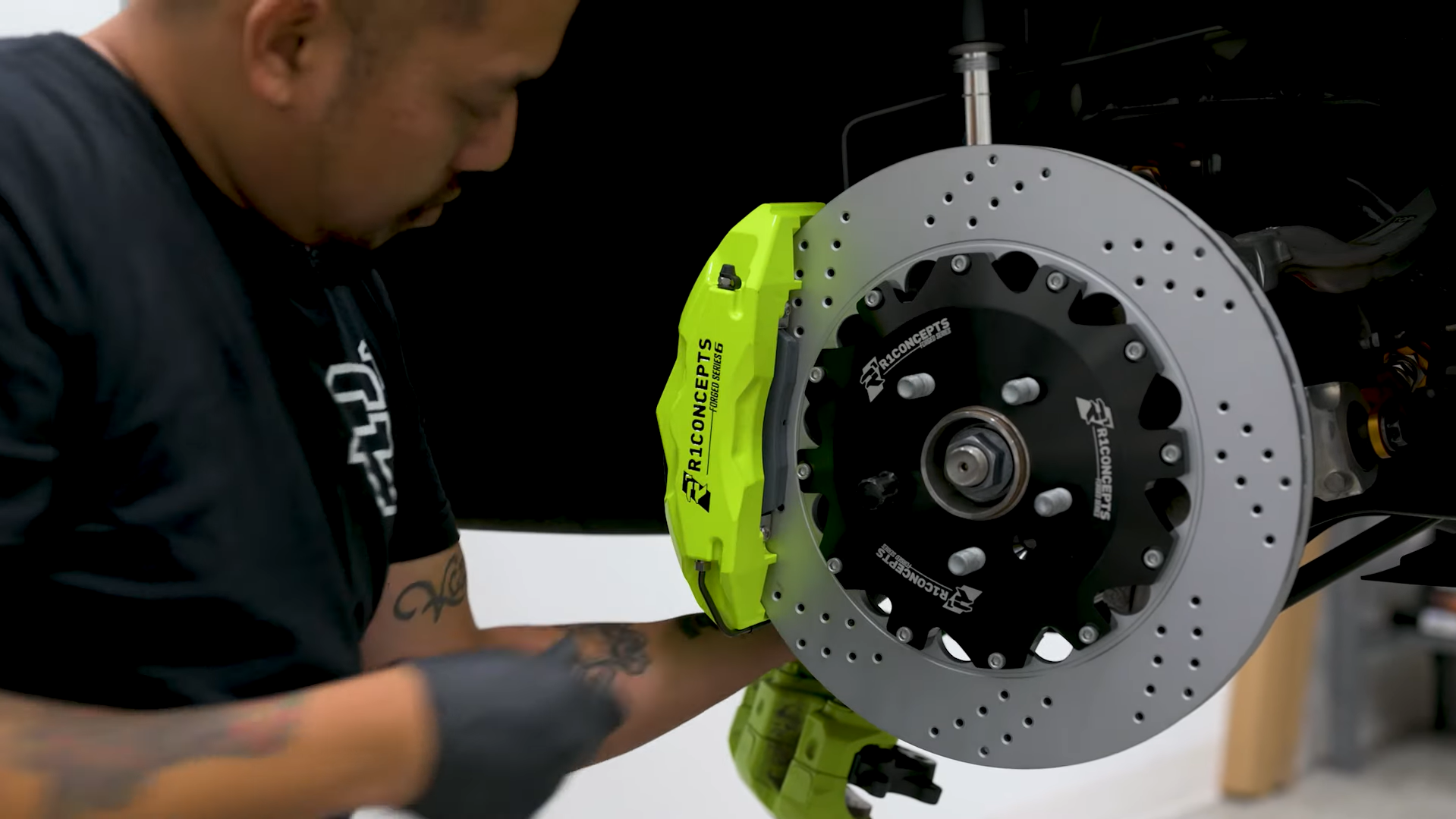
Your caliper works as one part of a larger hydraulic braking system in your vehicle.
Pressing your brake pedal starts a pressure change within the vehicle’s master cylinder. Brake fluid carries that pressure through your sealed lines and hoses toward each brake caliper. The fluid then pushes against your caliper pistons and begins moving the brake pads. As your pistons move, the pads clamp the rotor and slow its rotation through friction. Releasing your pedal reduces hydraulic pressure so the pads can move away from the rotor.
Master Cylinder and Brake Fluid
Your master cylinder converts brake pedal input into hydraulic pressure for the vehicle’s braking system. That pressure travels through your brake fluid from the master cylinder toward each individual caliper.
Brake fluid acts as the hydraulic link between your pedal and wheel-end braking components. Without that pressure transfer, your pistons cannot move the brake pads toward the rotor surface. Your lines, hoses, and valves create the sealed path carrying brake fluid throughout the system. Each component must work together so your brakes respond consistently whenever you press the pedal.
Fixed vs. Floating Brake Calipers
Fixed and floating calipers use different methods for pressing your brake pads against the rotor. Both designs create clamping force, but their internal layouts affect how your braking components move.
Fixed Calipers
A fixed caliper remains stationary relative to your rotor while braking force is being applied. It typically uses several smaller pistons positioned on both sides of your vehicle’s brake disc. Those pistons push both pads toward your rotor without requiring the caliper body to slide.
This design can provide you with direct pedal response and consistent brake pad application.
Fixed calipers are often associated with higher-end or performance-focused vehicles you may drive. Their design uses more components than the basic floating calipers found on many passenger vehicles.
Floating Calipers
A floating caliper moves sideways in relation to your rotor during normal brake operation. A piston on one side pushes your inner brake pad directly against the spinning disc. That pressure causes your caliper body to slide, pulling the outer pad against the opposite face. Both pads then clamp your brake disc and create the friction needed for deceleration.
Floating calipers are generally lighter and less expensive than fixed designs you might otherwise use. Their slide pins need regular attention because your caliper’s free movement depends directly on them.
How Caliper Components Affect Brake Performance
Piston size, placement, slide pins, and pad movement influence how your caliper applies braking force. Uneven movement within these components can create uneven wear or inconsistent braking for your vehicle. Larger caliper pistons can generate greater clamping force while requiring less hydraulic pressure from your system.
Piston placement also affects how evenly that force reaches your brake pads during each stop. Even pressure distribution can help you reduce uneven brake pad wear across the friction surface. A caliper applying one pad area harder can shorten your brake pad’s usable service life.
On floating calipers, slide pins guide your caliper body while it moves during braking. Properly lubricated pins let both of your brake pads contact the rotor surface as intended. A seized or restricted slide pin can prevent your caliper from moving smoothly during braking. That problem may make one pad wear faster or remain in contact longer than intended.
Preventing and Identifying Brake Caliper Problems
Your calipers can develop rust, sticking components, seal problems, or uneven brake pad movement. Regular inspection can help you identify these conditions before their effects become more noticeable.
Uneven brake pad wear is one common warning sign you may notice during inspection. A stuck or damaged caliper may keep one pad contacting your rotor or prevent normal movement. You may also notice your vehicle pulling toward one side while you apply the brakes. Reduced stopping force, unusual noises, or lingering brake engagement can also point toward caliper trouble.
Fluid leaking around your caliper seal deserves attention because your braking system relies on hydraulic pressure. A falling brake fluid level can accompany this type of leak within your braking system.
Your floating calipers need clean, lubricated slide pins so their bodies can move freely. Dirt, corrosion, or dried lubricant can interfere with the movement your caliper requires during braking. Checking your pads, pins, seals, and surrounding hardware can reveal early signs of developing trouble. Consistent maintenance also helps you recognize uneven wear before it becomes more noticeable during driving.
How Brake Calipers Differ From Drum Brakes
Disc and drum brakes create friction differently when you use them to slow your vehicle. Your disc brakes use rotors and calipers, while drum brakes use shoes inside rotating drums.
In your disc system, the caliper holds brake pads on both sides of the rotor. Hydraulic pressure moves your pads against the disc to create friction and slow the wheel. Your drum system uses brake shoes that press against the inner surface of the drum. Its layout includes your drum, brake shoes, wheel cylinder, and other related braking hardware.
Drum brakes have traditionally offered you durability and generally lower expense compared with disc systems.
Disc brakes use fewer enclosed friction components and can release generated heat more directly outward. Disc brakes may also require less force while providing you with consistent performance in wet conditions. Their open design gives water and heat a clearer path away from your friction surfaces.
Can You Upgrade Brake Calipers for Better Performance?
Upgrading your brake calipers may change how evenly and firmly your pads clamp the rotor. Larger or differently designed calipers may also manage heat differently during your repeated braking sessions. Some brake upgrades you encounter are sold as complete big brake kits instead of calipers alone. A kit may include calipers, pads, rotors, lines, and other components for your braking system.
Certain setups may also involve your master cylinder, booster, or proportioning valve within the braking system. These components need to work together rather than being chosen only according to caliper size.
A larger caliper does not work independently from your vehicle’s other braking system components. Rotor size, pad shape, hydraulic requirements, wheel clearance, and system compatibility remain part of your setup.
What to Consider When Choosing Upgraded Brake Calipers
Swept area is one factor you should consider when evaluating upgraded brake calipers and rotors. It describes the portion of your rotor surface contacted by the brake pad during braking. A larger swept area generally means you are using a larger brake pad surface. That can provide more material for absorbing heat and wear during your repeated braking situations.
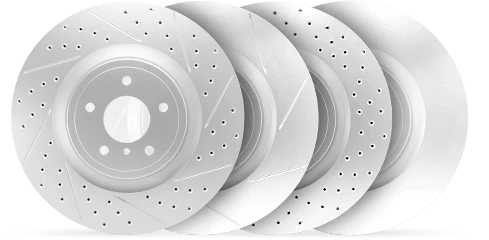
Rotor mass and surface area also matter when you evaluate an upgraded braking setup. Drilling holes into your rotor removes material, potentially reducing its mass and ability to absorb heat.
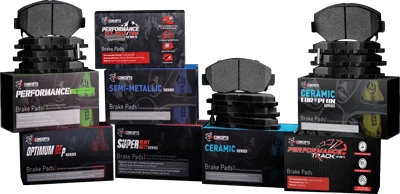
Brake pad material is another part of the decision you make when planning upgrades. Common categories for your vehicle include ceramic, semi-metallic, and carbon-composite brake pad formulations.
- Ceramic pads can give you durability and resistance to higher temperatures during repeated braking conditions.
- Semi-metallic pads can provide you with good braking performance while supporting a long service life.
- Carbon-composite pads can help you resist heat buildup while limiting excessive braking noise during demanding use.
You should consider your caliper, rotor, and brake pad together when planning an upgrade. Your vehicle fitment and intended driving type also affect whether a particular upgrade makes sense.
How Important Are Brake Calipers to Vehicle Safety?
Your brake calipers hold the pads and pistons that create braking force at each rotor. A caliper problem can reduce how much braking force your vehicle receives at one wheel. A failed or badly restricted caliper may cause you to experience reduced overall braking performance. More severe problems can interfere with your vehicle’s ability to stop as you normally expect.
Warning signs you may notice include pulling, uneven pad wear, fluid leakage, or unusual brake noises. You may also notice a brake remaining partly applied after you have released the pedal.
Heat at one wheel can also indicate that your brake is dragging during normal driving. After driving, unusually high heat around one wheel may suggest a braking problem requiring attention.
Brake Caliper Recommendations for Different Vehicles
The right caliper for you depends on your vehicle and its complete braking system.
Sports cars, SUVs, trucks, and passenger cars may use different caliper sizes, layouts, and mounting designs. Performance-focused vehicles you drive may use fixed calipers designed with several individual pistons. Everyday passenger vehicles commonly use simpler floating designs that balance weight, expense, and normal braking requirements.
Larger or heavier vehicles may require calipers matched with their specific rotors, pads, and hydraulic systems. Any replacement or upgrade you select needs to match your vehicle’s intended fitment and application.
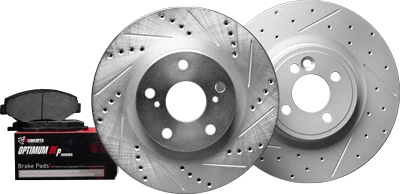
R1 Concepts offers brake products for vehicle applications, including pads and rotors for compatible braking systems. You should begin product selection with your correct vehicle fitment and intended type of driving.
Frequently Asked Questions
What Are the Symptoms of a Bad Brake Caliper?
Sound and brake feel can both provide you with useful clues about possible caliper trouble. Clunking, grinding, squeaking, or clicking around your caliper area may indicate a developing brake problem. You may also notice reduced stopping power or feel a brake remaining engaged after pedal release.
Uneven wear between your brake pads can provide another clue during visual inspection or maintenance.
Wheel temperature can give you more information about a potentially dragging brake or sticking caliper. After driving, unusual heat near one rim may indicate a dragging brake or caliper problem.
What Does a Bad Brake Caliper Look Like?
There is no single visual appearance you can use to identify every failed brake caliper.
Many caliper problems are easier for you to recognize through braking feel, noise, leakage, or wear. Visible corrosion, leaking fluid, or uneven pad wear may give you useful clues during inspection. Comparing your brake pads across the same axle may also help you recognize abnormal wear patterns.
What Part Is Located Inside the Caliper?
Your brake pads sit inside the caliper and press against the rotor to slow your vehicle. The caliper also contains one or more pistons that move when your brake fluid pressure increases. Pressing your brake pedal sends hydraulic pressure toward those pistons through the sealed braking system. Your pistons then move the brake pads toward the rotor surface and begin creating friction.
How Much Brake Fluid Does a Caliper Hold?
Your single brake caliper usually contains a small amount of brake fluid, often less than an ounce. That amount is approximately 30 ml, depending on your particular caliper and braking system design.
Your larger vehicle or performance braking system may contain slightly more because larger pistons can require it. The amount inside one caliper remains small compared with your braking system’s total fluid capacity.
What Is the Difference Between Fixed and Floating Calipers?
A fixed caliper stays positioned while using pistons on both sides of your brake rotor. Those pistons move both of your brake pads directly toward the disc during braking.
A floating caliper usually has one piston and moves sideways along your vehicle’s slide pins. Piston pressure pushes one pad inward while caliper movement brings your opposite pad into contact.
Consider R1 Concepts for Your Brake Components
When servicing your calipers, you should also consider the condition and compatibility of surrounding brake components. R1 Concepts offers pads and rotors you can select around your vehicle fitment and intended driving needs.
Shop R1 Concepts brake pads, brake rotors, brake kits, brake calipers and brake drums and shoes.