




Brake pulsation usually feels like rhythmic vibration through your brake pedal, steering wheel, or sometimes both together. You may notice the sensation becoming stronger as you slow your vehicle from higher driving speeds.
The cause usually involves how your rotor, pads, caliper, and hub interact during normal braking. Uneven rotor thickness, uneven pad deposits, restricted pad movement, or excessive rotor runout can create repeated pulsation.
The Culprits Behind Pulsating Brakes
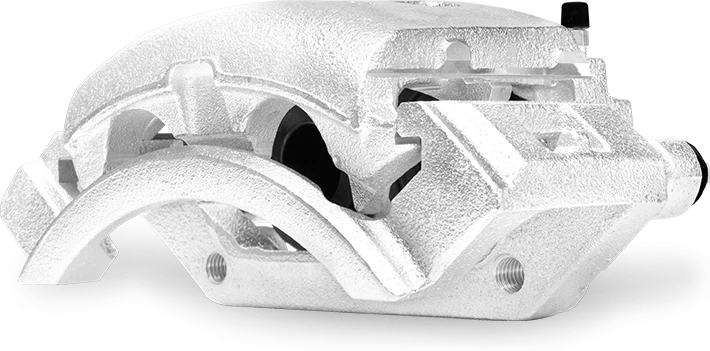
Your brake pads need consistent rotor contact and must release cleanly after you lift your foot. If a pad sticks inside your caliper bracket, one section can remain under unnecessary braking pressure. Rust inside your bracket can restrict pad movement and create uneven wear across your braking surfaces. A malfunctioning caliper piston or corroded guide pins can similarly prevent your pads from moving correctly.
Your worn pads deserve attention, especially when you also hear grinding during braking or normal driving. Metal-to-metal contact means your friction material has worn enough for other brake components to make contact.
You should also compare pad wear from side to side when evaluating possible brake pulsation causes. Uneven wear can indicate restricted movement, a caliper problem, or another issue affecting rotor contact consistency.
Disc Thickness Variation, usually shortened to DTV, is another common source of pulsation you may experience. Your rotor develops measurable thickness differences, causing braking force to change slightly during every complete rotation. Several problems can contribute to DTV and change how evenly your pads contact the rotor surface: uneven clamping, incorrect installation, caliper misalignment, irregular friction patterns, and excessive runout can affect rotor wear.
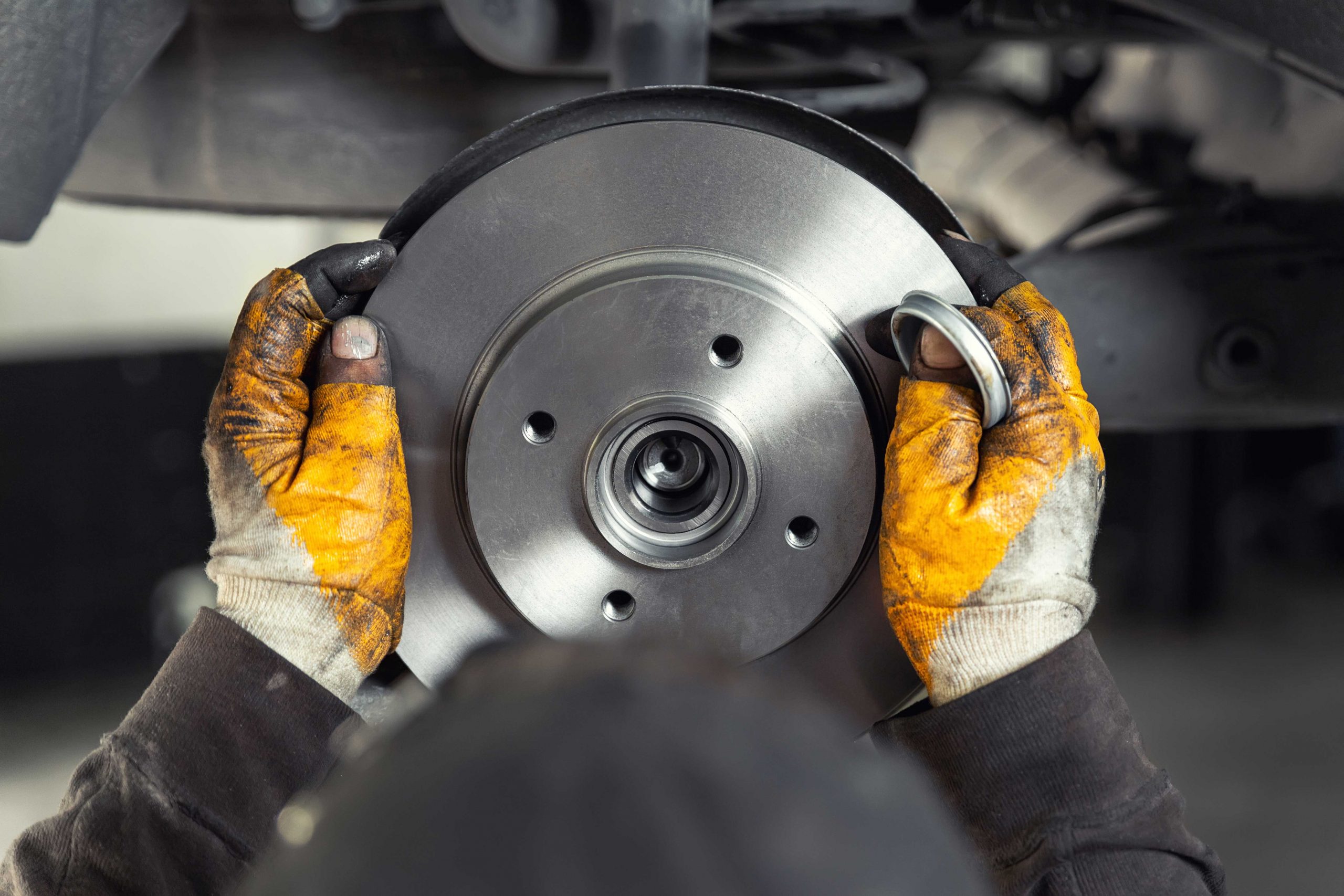
A dirty hub face can also create runout after your replacement rotor has already been installed. Even minor corrosion or debris between your hub and rotor can prevent completely flat rotor seating. Lug nuts or mounting hardware must also provide proper, consistent clamping across your rotor and hub. Uneven clamping can distort rotor positioning against your hub and contribute to uneven contact over time.
Steering Wheel Shakes and Vehicle Control
Brake pulsation often reaches your steering wheel when the underlying problem involves your vehicle’s front brakes. You may also feel vibration through your brake pedal, seat, or other areas of your vehicle.
Your front brakes generally handle more braking force, particularly when you drive heavier trucks or SUVs. That increased workload can make front brake problems especially noticeable while you slow from highway speeds. DTV can create changing brake torque as your rotor continues turning during each braking application cycle.
Instead of steady braking force, your wheel experiences repeated variations you can feel as shaking or pulsing. The vibration can make smooth braking harder because your steering feedback changes while your vehicle slows. A stronger shake during braking deserves inspection instead of being dismissed as only a minor annoyance.
Your rear brakes can contribute to pulsation, even when steering wheel vibration initially suggests another location. Where you feel vibration provides a useful clue, but cannot identify the failed component by itself.
The Heat Factor and Brake Pulsation
Braking converts your vehicle’s motion into heat, and repeated hard stops can raise temperatures considerably. Excess heat can affect your brake pads, rotors, calipers, and brake fluid in several different ways. Brake fade can occur when your braking system becomes too hot during repeated or demanding stops. Your brake fluid can also lose effectiveness when temperatures become high enough to affect hydraulic operation.
Rotor surfaces can develop different friction characteristics after your brakes experience repeated cycles of elevated heating. Uneven pad material deposits can then produce thickness or friction variation that causes your pedal pulsation.
A caliper that does not release properly can create another significant source of unwanted brake heat. Constant pad contact keeps generating friction after braking ends, which can accelerate uneven component wear patterns. Rust can create similar problems when it prevents one of your brake pads from moving freely. Your pad can remain against the rotor, creating heat and gradually changing the resulting wear pattern.
Ventilated rotors use internal cooling passages or fins that help move heat away from braking surfaces. Their purpose is managing heat generated by your braking system during normal use and repeated stops.
Some cooling components use aluminum because that material can transfer heat effectively throughout the braking assembly. Cooling design varies between braking systems, so component size and construction depend on your specific application.
Diagnosing Brake Pulsation
You can identify possible causes by watching for grooves, pitting, scoring, discoloration, or uneven brake wear. You should also notice areas where one pad appears to contact your rotor differently than another. Comparing both sides of each pad can reveal meaningful differences in your braking system’s wear pattern. A large inner-to-outer wear difference can point toward restricted movement somewhere within your caliper assembly.
You should replace pads approaching minimum usable thickness according to the inspection guidance for your application. You should consider pad condition alongside your rotor and caliper instead of judging each component separately.
Rotor runout requires precise measurement because visual inspection alone cannot reliably reveal small lateral movement differences. A dial indicator measures how much your rotor braking surface moves sideways while the rotor rotates. Noticeable rotor thickness variation may indicate replacement or other corrective work is needed for consistent braking. Your vehicle’s measurements and applicable specifications should guide decisions about replacing affected braking components afterward.
Because accurate measurement matters, someone properly equipped for brake inspection should evaluate suspected rotor runout conditions. An inaccurate measuring setup can produce misleading readings and complicate your diagnosis of the actual problem.
Replacing or Resurfacing Brake Rotors
Once you understand the pulsation cause, your rotor’s condition helps determine whether replacement is appropriate. Your rotor thickness and the vehicle manufacturer’s recommendations both matter when evaluating its remaining service condition.
Machining removes material and leaves your rotor thinner, reducing its ability to absorb braking heat effectively. It also moves your rotor closer to minimum thickness, so replacing the affected rotor is recommended instead. Your rotors should not be machined for pulsation because machining always removes usable braking surface material.
You should replace a rotor when its condition or thickness no longer supports consistent braking performance.
Every machining operation removes material and permanently reduces the remaining thickness available in your brake rotor. A rotor already close to minimum thickness becomes even thinner after material is removed through machining. Some vehicle manufacturers discourage resurfacing and specify replacement when your rotor develops certain wear or damage. You should follow applicable vehicle specifications when determining whether an affected brake rotor requires replacement.
New pads commonly pair with suitable rotor surfaces so your friction materials can establish consistent contact patterns. Reusing damaged or uneven components can cause another uneven wear pattern and recurring brake pulsation symptoms.
Preventing Brake Pulsation
Regular brake inspections can identify restricted pads, corroded hardware, uneven wear, or developing rotor problems early. You should have your brakes checked every six months to identify developing wear or movement problems.
Your driving habits also influence how much heat the braking system must manage during regular use. Braking earlier and applying pressure gradually can reduce repeated high-temperature stops that stress pads and rotors. When traffic permits, easing off your accelerator before braking gives your vehicle additional time to slow. Sudden stops sometimes remain necessary, but avoiding unnecessary hard braking reduces repeated heat buildup within components.
Proper installation also affects how consistently your brake components contact each other throughout their service life. Your rotor seating, mounting hardware, and hub condition can influence runout and long-term braking surface consistency.
Your brake pads also require unrestricted movement within their brackets for even contact and consistent release. Corrosion, damaged hardware, or restricted guide pins can interfere with movement and create uneven pad contact.
Frequently Asked Questions
How do you fix pulsating brakes?
Your repair depends on what inspection and testing identify as the actual cause of your pulsation. Rotor replacement may be necessary when your rotor is damaged or approaches its specified minimum thickness.
Machining removes material, leaves your rotor thinner, reduces heat capacity, and approaches minimum thickness more quickly. You should replace the affected rotor and address contributing caliper, pad, hub, or installation problems identified.
Which is the most common cause of a pulsating brake pedal?
Uneven rotor thickness is a common cause when you experience repeated pulsation through your brake pedal. DTV develops when your braking surface does not wear or receive pad material evenly around rotation. Excessive runout, uneven pad deposits, installation problems, or restricted components can contribute to that thickness variation.
Are pulsating brakes front or rear?
You may notice pulsation more strongly when a front brake problem affects your vehicle during braking. Your front brakes handle substantial braking force, making steering wheel vibration a useful diagnostic clue sometimes.
Your rear brake problems can create pulsation as well, even without pronounced steering wheel vibration symptoms. You need inspection to determine which axle or braking component is actually responsible for the pulsation.
What is brake pulsation?
Brake pulsation is a repeating vibration you feel while applying your vehicle’s brakes during normal operation. You may notice it through your brake pedal, steering wheel, seat, or overall vehicle body. The sensation usually comes from a brake component creating uneven braking force as your rotor rotates.
How can I prevent brake pulsation?
You should inspect your braking system regularly for sticking pads, corrosion, caliper problems, or uneven wear. Correcting those conditions early can help prevent them from creating uneven contact and recurring brake pulsation.
Smooth braking habits can also help you reduce unnecessary heat throughout your vehicle’s braking system components. Apply your brakes gradually when conditions permit, and avoid repeated hard stops that keep temperatures elevated.
R1 Concepts Options for Brake Pulsation
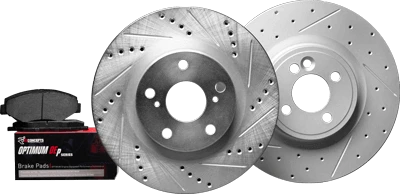
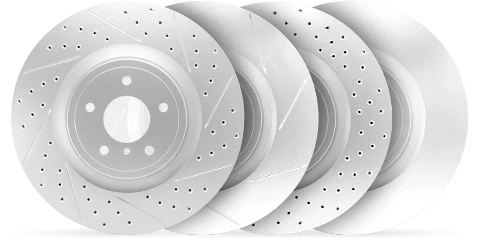
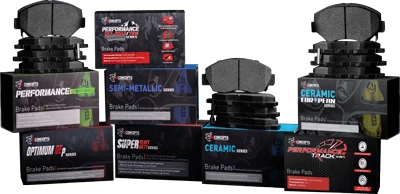
When pulsation requires replacement, R1 Concepts offers rotor and brake pad options for consistent friction surfaces. You can choose R1 Concepts components suited to your vehicle after identifying the underlying pulsation cause.
Shop R1 Concepts brake pads, brake rotors, brake kits and brake calipers.
