




11 Signs Your Brakes Need Repair
Brake problems usually give you warning before becoming more serious, often through sound, pedal feel, or stopping changes. Pay attention to changes that appear during braking, especially when they become more frequent during your normal driving. These 11 signs can help you recognize when your brake system needs closer attention from you.
1. High-pitched screeching or squealing
A sharp squeal during braking often tells you that your worn brake pads may need replacement soon. As your pads wear down, their changing condition can create noticeable noise during otherwise normal everyday stops.
Choosing replacement pads based on your driving habits helps you match friction materials with your braking demands. Daily commuting, towing, aggressive driving, and track use each place different demands on your chosen friction material.
2. Grinding or metallic scraping
Grinding or scraping deserves your immediate attention because your brake pads may already be completely worn down.
Metal components can then contact your rotor directly, causing damage across the rotor’s working braking surface. Continuing to drive can increase your rotor damage while reducing the braking effectiveness you expect during stops. What began as your pad replacement may eventually become a more extensive brake repair involving other components.
3. Clunking or thumping
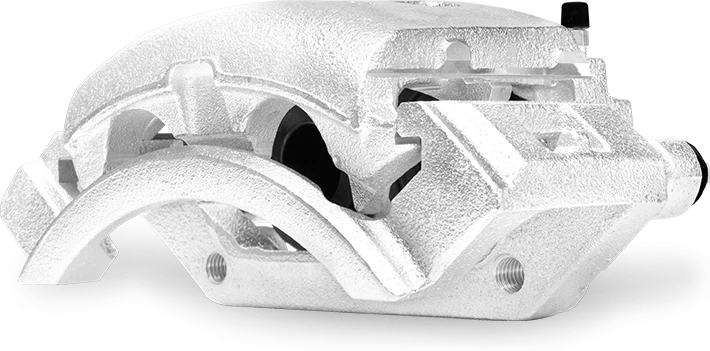
Clunking or thumping during braking can alert you to a developing problem around your brake caliper assembly. Possible causes you may encounter include a broken piston, loose guide pins, or worn caliper bushings. A caliper unable to apply pressure correctly can affect the braking consistency you experience behind the wheel.
Have unusual mechanical noises checked rather than assuming they represent normal sounds from your vehicle’s braking system.
4. Soft or spongy brake pedal
A soft or spongy pedal may tell you that air has entered your vehicle’s hydraulic brake system. Air can enter through a leak or remain after your brake system was improperly bled during service. Worn seals or damaged brake lines may also cause your vehicle to lose fluid and hydraulic pressure.
Removing trapped air requires bleeding your brake system, while any existing fluid leak must also receive attention.
5. Pulsating or vibrating brake pedal
A pedal that pulses or vibrates can result from uneven rotor thickness or uneven deposits from your pads. You may notice the sensation more clearly during higher-speed braking or after several repeated braking events. Uneven contact between your pads and rotor faces can reduce the smooth braking response you normally expect. Aggressive driving may increase these conditions because your brakes regularly experience higher temperatures and repeated braking loads.
6. Increased stopping distance
If your vehicle suddenly needs more distance to stop, worn brake pads may be responsible for the change. A hydraulic problem involving leaking fluid or trapped air can produce similar symptoms during your normal braking.
Changes in your stopping distance deserve attention even when you do not hear any unusual braking noises. Your brakes should provide a consistent response whenever you apply the pedal during normal or demanding driving.
7. Vehicle pulling to one side during braking
If your vehicle pulls left or right while braking, you may be dealing with uneven brake pad wear. One brake caliper may also be applying more pressure than the other during your normal braking events.
Brake problems are not the only possible cause when you notice your vehicle pulling during braking situations. Suspension issues or incorrect tire pressure can also cause pulling, so you should identify the underlying problem.
8. Cracked or glazed brake pads
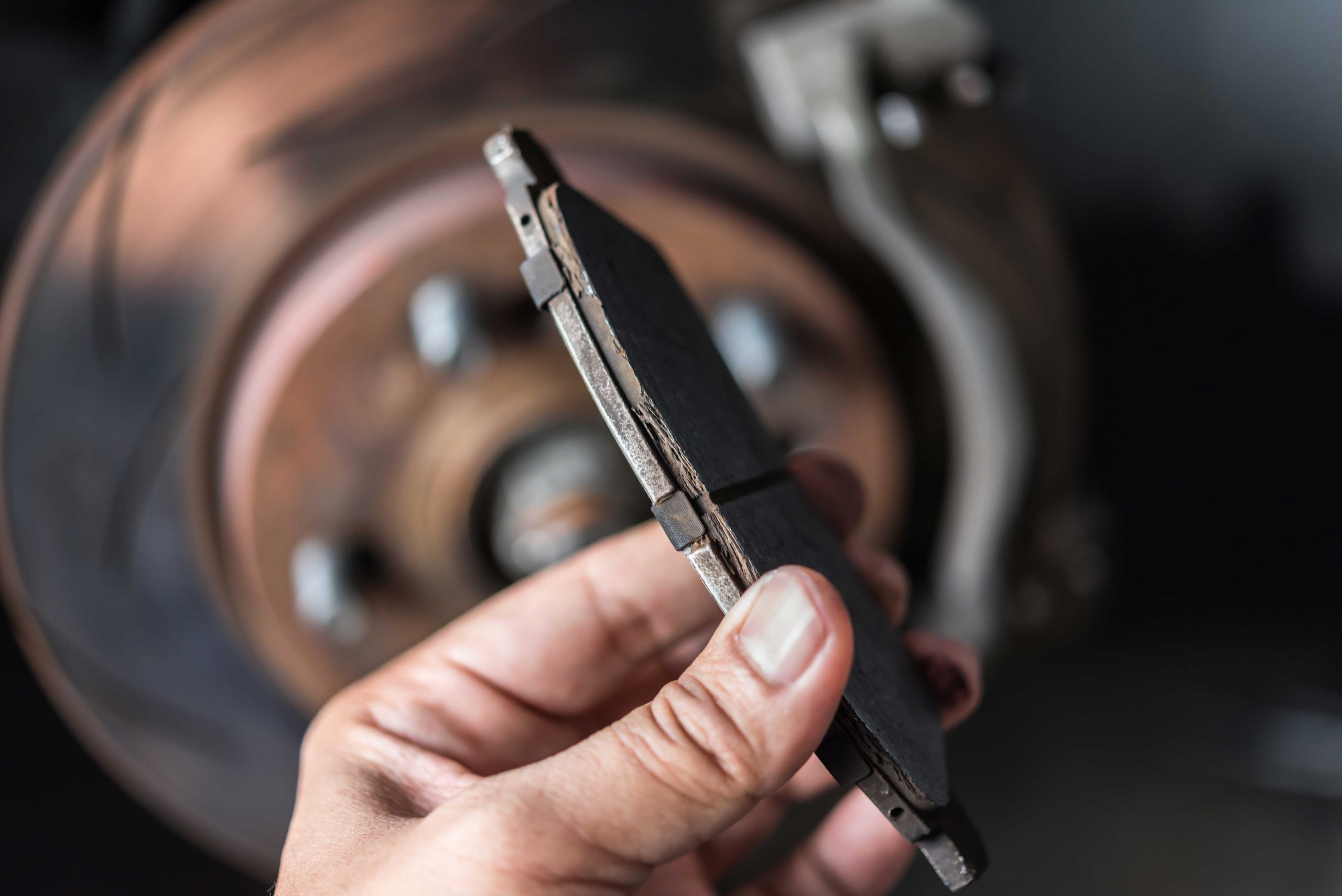
Your brake pads can develop cracks after repeated exposure to high heat and sustained braking stress. Excessive heat can make your friction material brittle and reduce its ability to perform normally during braking. Glazed pads develop a shiny surface after overheating, which you may notice during a brake component inspection. Constant brake use without enough cooldown time or improper bedding of new pads can contribute to glazing.
9. Leaking brake fluid
Wet or dark patches around your calipers, wheels, or parking spot may indicate a brake fluid leak.
Your hydraulic brakes depend on fluid pressure to apply braking force consistently when you press the pedal. Fluid loss can reduce your braking power and may eventually contribute to a serious brake system failure. You should not ignore a suspected brake fluid leak when your vehicle depends on consistent hydraulic pressure.
10. Scoring or uneven rotor surfaces
Visible grooves or scoring across your rotor face are signs that your braking components have experienced wear. Surface irregularities can affect how consistently your brake pads contact the rotor whenever you apply the brakes. A pulsing pedal can also result from uneven pad deposits or thickness variation across your brake rotor.
Depending on rotor condition and minimum thickness requirements, your rotor may require complete replacement.
11. Brake warning light on the dashboard
A brake warning light can alert you to several possible problems developing within your vehicle’s braking system. Low brake fluid is one possible cause, while anti-lock braking problems can trigger separate dashboard warnings. Treat a brake warning as your reason to check the system promptly before smaller problems can develop. Waiting can give a smaller brake problem more time to affect your braking performance or additional components.
Mileage, Driving Habits, and Brake Wear
Your brake pads are commonly replaced after 25,000 to 65,000 miles, although driving conditions can shift timing. Frequent stop-and-go traffic, hills, towing, and aggressive braking generally increase the wear your brake pads experience. Your rotors may last between 30,000 to 70,000 miles, but mileage alone cannot determine replacement timing. Their actual condition, thickness, and braking surface matter more when you evaluate whether replacement becomes necessary.
Your driving style directly affects how quickly your brake components wear throughout regular vehicle operation and use. Heavy traffic creates more frequent stops, while mountainous driving asks your brakes to handle repeated braking loads.
Rapid acceleration followed by hard braking also puts more heat and stress into your vehicle’s braking system. Towing heavy loads places additional demand on your brake pads and rotors during each slowdown you make.
What Can I Do to Extend the Lifespan of My Brakes?

Your brake lifespan begins with your driving habits and the routine inspections you perform throughout vehicle ownership. Reducing unnecessary hard braking can lower the heat and wear your brake pads and rotors experience regularly. Check your brake components periodically for visible wear, fluid loss, or other changes requiring closer attention. Keep your brake fluid at the proper level and notice whenever its appearance or condition changes unexpectedly.
Engine braking can reduce your brake use when using that technique remains appropriate for your driving situation. Avoiding unnecessary vehicle weight can also reduce the amount of work your brakes perform during every stop.
Choosing pads and rotors matching your driving style can also improve how appropriately your braking components perform. Your commuter, tow vehicle, and track-driven car each place distinctly different demands on their braking components.
How Often Should I Get My Brakes Checked?

A general recommendation is checking your brakes once yearly or every 12,000 miles, whichever comes first. Your vehicle’s maintenance schedule may recommend a different inspection interval based on its particular braking system. Your driving conditions can also change how frequently brake inspections make sense for your particular vehicle.
Heavy traffic, mountain roads, frequent towing, and other demanding conditions can increase the brake wear you experience. Your owner’s manual should remain your starting point when you plan scheduled brake inspections and maintenance intervals. Between inspections, watch for changes involving noise, pedal feel, stopping distance, or your vehicle’s dashboard warnings.
What Are the Best Brakes to Use?

Your best brake setup depends on how and where you normally drive your particular vehicle each day. We offer rotor and pad options for your daily driving, heavier vehicle use, and performance applications.
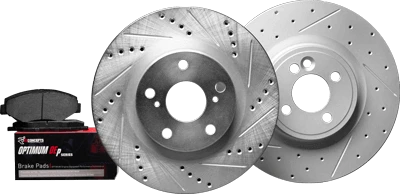
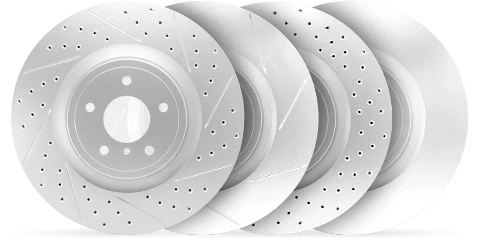
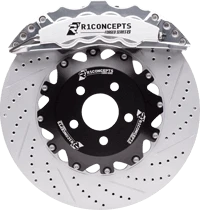
R1 GEO-Carbon Series Drilled & Slotted Brake Rotors and R1 eLINE Silver Series Drilled & Slotted Brake Rotors use drilled surfaces. R1 eLINE Black Series Drilled and Slotted Brake Rotors gives you another drilled and slotted rotor option. Drilled rotor designs can help move water away from the braking surface while you apply your brakes. Slots clear gas and dust from your pad and rotor interface during higher-temperature, more demanding braking conditions.
Blank rotors provide you with a straightforward choice for normal street driving without drilled or slotted surfaces. R1 GEO-Carbon Series Blank Brake Rotors and R1 eLINE Series Blank Brake Rotors support that driving approach.
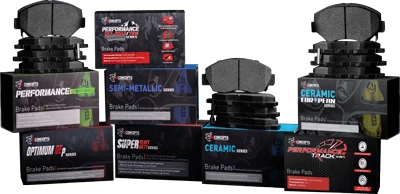
For brake pads, ceramic compounds suit your daily driving when you prefer quieter braking and less visible dust. R1 CERAMIC Series Brake Pads and R1 CERAMIC European Series Brake Pads support that type of everyday use. R1 OPTIMUM OEp Series Brake Pads give you another option when you want an OE-style replacement pad.
Match your brake pads to your vehicle and regular driving conditions rather than choosing them by appearance.
For harder street use or performance-oriented driving, R1 PERFORMANCE Sport Series Brake Pads provide another suitable option. When you tow or place heavier loads on your brakes, consider R1 PERFORMANCE Off-Road/Tow Series Brake Pads.
Semi-metallic pads are commonly used when your braking conditions regularly create higher heat loads during operation. They can tolerate demanding braking conditions, though you may experience more noise and rotor wear than ceramics.
Track driving creates a different environment because your repeated high-speed stops generate substantially more braking heat. Brake pads intended for those conditions are designed around the higher-temperature operating range you experience on track.
Avoid brake pads containing asbestos because inhaling asbestos dust can present serious health risks during brake work. Modern brake friction materials give you alternative compounds without relying on asbestos within their friction formulations.
Choosing components matching your actual use matters more than selecting the most aggressive available braking option. Daily commuting, highway driving, towing, off-road use, and performance driving each create different demands for your brakes. Addressing brake symptoms early can also keep a smaller problem from spreading to other braking components.
Unusual noises, changing pedal feel, leaks, pulling, or longer stopping distances give you reasons for brake inspection.
Frequently Asked Questions

How important is it to get my brakes repaired right away when I notice problems?
You should address brake problems as soon as you notice changes affecting your vehicle’s normal braking behavior. A braking issue can worsen over time and may reduce your vehicle’s ability to stop consistently during driving. Waiting can also allow worn brake components to begin damaging nearby parts within your braking system.
Early attention may keep your pad-related problem from developing into rotor, caliper, or hydraulic system damage.
Can I ignore some warning signs for a while if I’m on a tight budget?
You should not ignore brake warning signs simply because your vehicle still appears able to stop normally.
Grinding, fluid leaks, increased stopping distance, or major pedal changes can indicate problems affecting your braking ability. Your safest approach is identifying which brake problems require prompt attention before additional components become damaged. Delaying a developing brake problem can allow further wear or damage to spread throughout your braking system.
What are the potential consequences of neglecting brake repairs?
Neglected brake problems can reduce your stopping performance and increase the chance of damaging additional braking components. Worn pads can eventually damage your rotor surfaces when you leave them in service for too long. Your calipers and hydraulic components may also develop problems when related brake issues remain unaddressed over time.
In severe cases, a major brake system fault can leave you with substantially reduced braking ability.
Why Consider R1 Concepts When Your Brakes Show Wear?
We give you multiple pad and rotor choices for replacing worn components based on your driving style. You can match quieter daily-driving pads, performance compounds, or towing-focused options with compatible replacement rotor designs.
Shop R1 Concepts brake pads, brake rotors, brake kits and brake calipers.
