




A parking brake light staying on after release usually tells you something within the system needs attention. The cause may be simple, like low brake fluid, or connected to another braking or electrical problem. You should treat the warning as a reason to inspect your braking system before driving normally again. A persistent light can indicate an unreleased parking brake, failed sensor, damaged wiring, or Anti-Lock Braking System problem.
Common Reasons for a Persistent Parking Brake Light
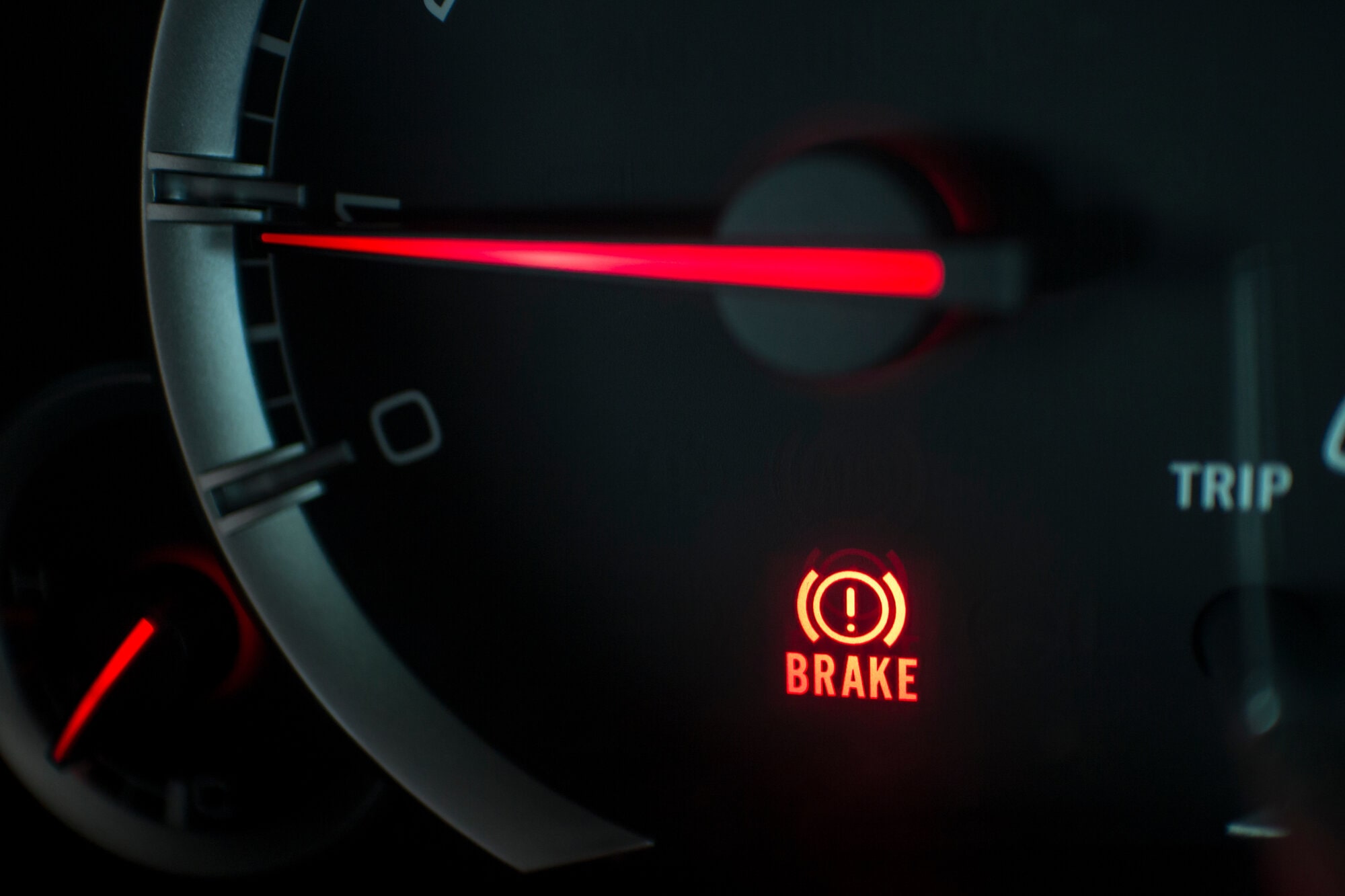
Several parts within your braking system can trigger the parking brake warning light on your dashboard. You should check simpler possibilities first, then investigate mechanical and electrical causes when the warning remains illuminated.
Faulty parking brake switch
The parking brake switch activates your dashboard warning light whenever you engage the vehicle’s parking brake. When this switch fails, your warning light may remain illuminated after you completely release the brake. Moisture, dirt, weather exposure, age, and regular wear can gradually affect your parking brake switch operation. A damaged or sticking switch may continue sending an incorrect signal directly to your vehicle’s dashboard.
Brake handle not fully lowered

A parking brake handle or pedal that does not return completely can keep your warning light active. Sometimes, your problem simply involves the mechanism not moving fully into its normal released operating position.
You may also have contaminated brake fluid, worn brake pads, a faulty master cylinder, or defective switch. These problems can require you to arrange a closer inspection of your vehicle’s complete braking system.
Parking brake not disengaging
Your warning light can remain illuminated because the parking brake itself has not completely released. Misaligned shoes, rust, or sticking cables connected with your braking components can restrict normal movement. Parking brake shoes may shift through normal wear or following brake service when alignment becomes incorrect.
Your cables can also rust or stick after harsh weather exposure or periods of limited maintenance. When a cable cannot move freely, your parking brake may remain partially engaged after normal release. This condition can keep your dashboard light illuminated even after releasing the parking brake lever or pedal.
Low brake fluid level
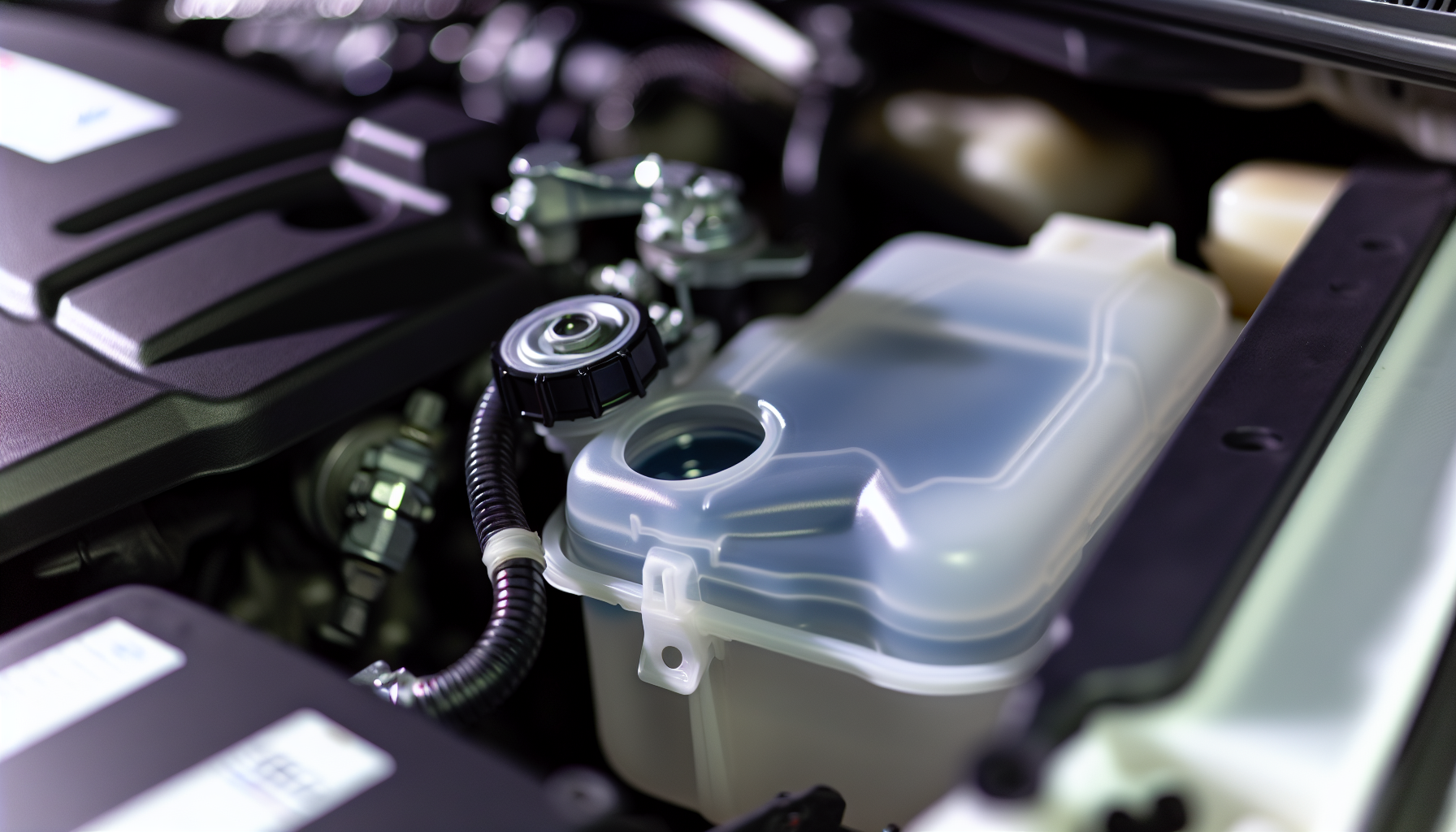
Low brake fluid or reduced hydraulic pressure may cause your parking brake warning light to illuminate. A low fluid level can develop because of leakage or another issue within your braking system. Repeatedly low brake fluid levels can indicate a problem somewhere within your vehicle’s hydraulic braking system. If the fluid level keeps dropping, your braking system should be inspected to identify the underlying cause.
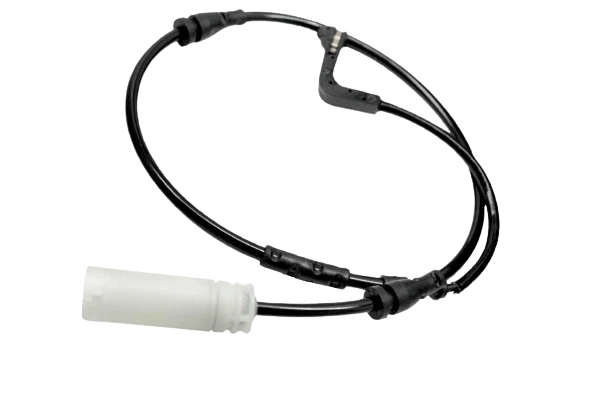
Bad brake fluid level sensor
A failed brake fluid level sensor may report low fluid despite your reservoir containing enough fluid. This false signal can cause your parking brake warning light to remain continuously illuminated on your dashboard.
Age and regular wear can gradually weaken your brake fluid level sensor and affect its operation. Extreme temperatures, contaminated fluid, dirt, debris, accident damage, or maintenance handling may also affect sensor performance.
Faulty wiring or electrical issues
A damaged wire, poor connection, or open circuit can keep your parking brake warning light illuminated. Electrical faults may prevent your dashboard from receiving accurate signals from the parking brake switch or sensors. Electrical testing can determine whether wiring, connections, switches, or sensors are causing your warning light problem. This work should be handled by someone properly equipped to diagnose your vehicle’s electrical braking system.
Malfunction in the Anti-Lock Braking System

A problem within your Anti-Lock Braking System can sometimes cause brake warning lights to illuminate. You may also notice an unresponsive brake pedal, additional dashboard warnings, or irregular braking behavior developing.
An Anti-Lock Braking System fault can involve more than your vehicle’s parking brake warning indicator. When you notice other braking symptoms, professional diagnosis can help identify the problem more accurately.
Is It Safe to Drive With the Parking Brake Light On?
Driving with your parking brake light illuminated is generally unsafe until you understand why it remains active. The warning may indicate your parking brake remains partly engaged or another braking problem requires attention. Driving with a partially engaged parking brake can create excess heat and cause uneven component wear. It may also damage parking brake components and reduce your braking performance during normal or emergency stops.
A warning caused only by an electrical fault may not directly change your vehicle’s braking performance. Until you confirm the cause, you cannot assume your braking system continues operating normally and safely.
When to Seek Professional Help
Professional help makes sense when your parking brake warning remains illuminated after completing basic system checks. Visible cable damage, fluid leaks, wiring problems, misalignment, or unusual braking behavior also deserve closer inspection. A technician can test your electrical system, sensors, parking brake hardware, hydraulic components, and Anti-Lock Braking System. This becomes particularly useful when you notice several different dashboard warning lights appearing at the same time.
You should not ignore a warning light that repeatedly returns after system inspection or resetting. Recurring warnings usually indicate your braking system still contains an underlying problem needing further attention.
Preventative Measures for a Healthy Braking System
Regular brake inspections can identify wear, leaks, cable problems, and fluid issues before dashboard warnings develop. You should notice changes in pedal feel, braking response, unusual noises, or parking brake movement promptly. Regular brake fluid monitoring and manufacturer-recommended fluid service can help support dependable braking system performance.
Keeping your parking brake mechanism clean and moving freely may also help reduce future sticking problems. Regular parking brake use helps its cables and moving parts continue operating through their normal range. When the system feels stiff or inconsistent, address the change before releasing it becomes increasingly difficult.
Frequently Asked Questions
Can I Get a Traffic Ticket Because of a Parking Brake Light Problem?
A ticket may be possible depending on local laws and your vehicle’s braking or lighting condition. Because requirements vary by location, you should check applicable regulations to understand what rules affect your vehicle. Some equipment violations may be handled through requirements directing you to correct the identified vehicle problem. In those situations, you generally must address the issue within the period required by local authorities.
Consider R1 Concepts for Brake Components
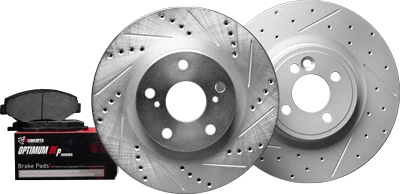
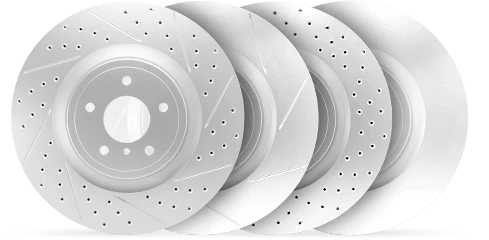
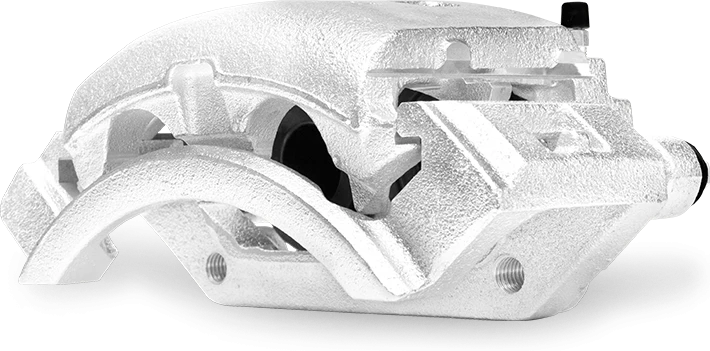
When warning-light inspection reveals worn brake parts, you can consider R1 Concepts replacement brake pads and rotors. We offer brake component options suited to everyday driving, performance needs, towing, and demanding vehicle use.
Shop R1 Concepts brake pads, brake rotors and brake kits.