



Pull a brand-new uncoated brake rotor out of the box, leave it on your workbench for a day, and check it the next morning. You’ll see a thin film of orange rust already forming on the surface. Leave it a week, and the entire rotor has a visible rust layer.
Cast iron rusts. That’s just what it does when moisture hits bare metal. And since brake rotors are cast iron mounted to the outside of your vehicle, constantly exposed to rain, humidity, road spray, and (in colder climates) salt, corrosion is inevitable.
Geomet coating solves this problem. It’s a specialized anti-corrosion coating applied to brake rotors that dramatically extends their life and keeps them looking clean long after an uncoated rotor would be covered in rust. If you’ve ever wondered why some brake rotors come with that matte gray finish while others are bare shiny metal, Geomet is usually the answer.
This article explains what Geomet coating actually is, how it protects your rotors, how it compares to other coating methods, and why it matters for your next brake purchase.
What Is Geomet?
Geomet is a water-based, inorganic coating made from microscopic zinc and aluminum flakes suspended in a binder. It was developed by NOF Metal Coatings Group (a Japanese multinational) and is widely used across the automotive industry for components that need serious corrosion protection in harsh environments.
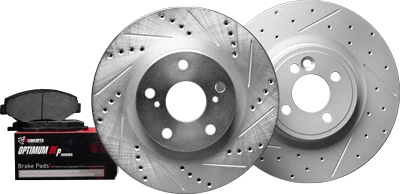
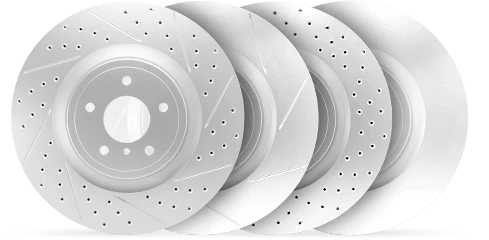
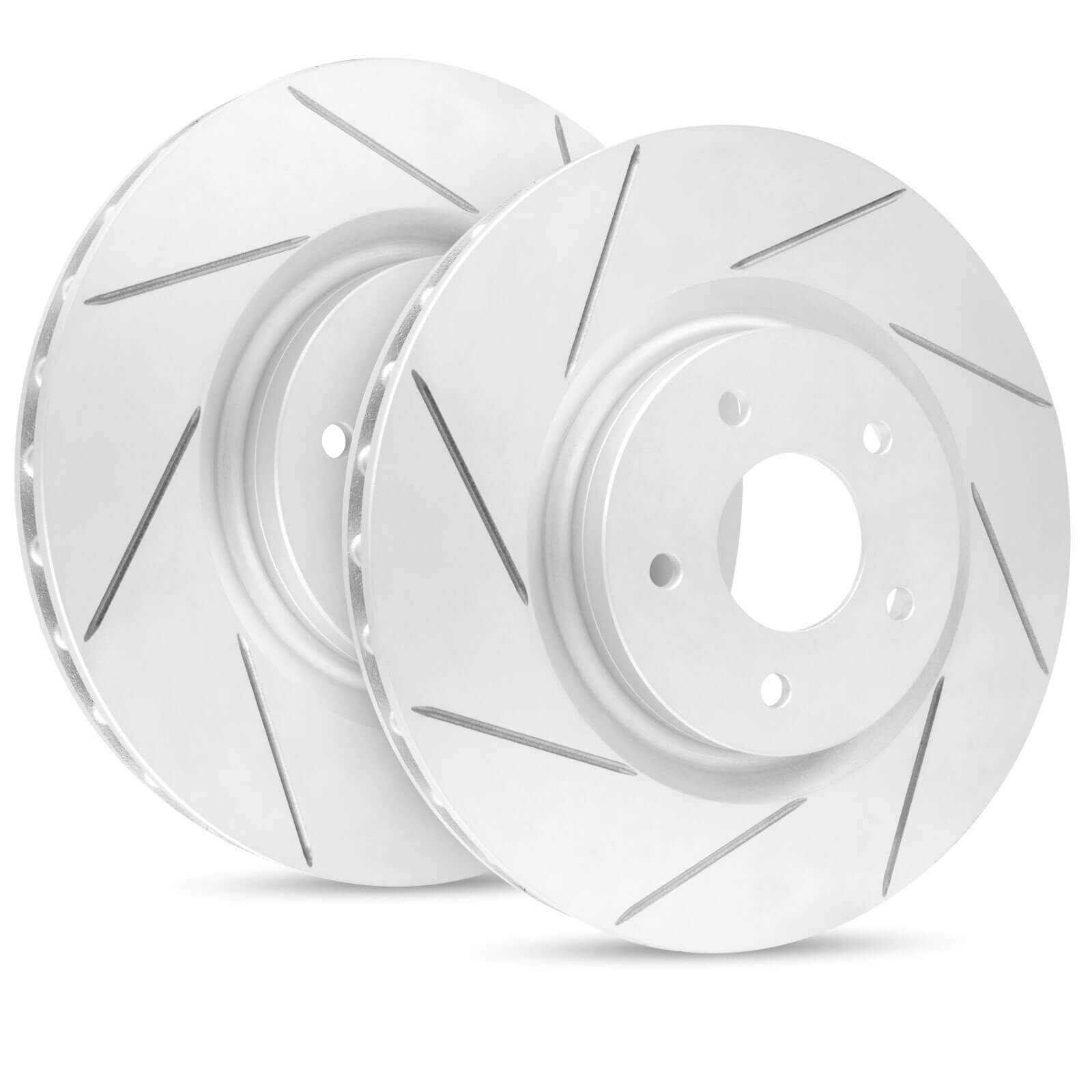
The coating is applied to the non-friction surfaces of a brake rotor: the hat (center section), the internal cooling vanes, the outer edge, and the hub mounting surface. It is not applied to the friction surfaces where the brake pads make contact, because those surfaces need to be bare iron for proper pad-to-rotor friction.
What makes Geomet different from paint or regular plating is its structure. The zinc and aluminum flakes overlap in multiple layers within the coating film, creating a barrier that works through two mechanisms.
Barrier protection. The overlapping flakes create a physical shield that prevents moisture and oxygen from reaching the iron surface beneath. Think of it like shingles on a roof. Each flake overlaps the next, creating a continuous barrier.
Galvanic (sacrificial) protection. Zinc is more electrochemically active than iron. When moisture does reach the surface (through a scratch or chip), the zinc corrodes preferentially, sacrificing itself to protect the iron underneath. This is the same principle behind galvanized steel, but Geomet delivers it in a much thinner, more heat-resistant form.
The result is a coating that provides exceptional corrosion resistance in a layer that’s only about 8-12 microns thick. For reference, a human hair is about 70 microns. You’re getting serious protection from an extremely thin coating.
Why Brake Rotors Need Corrosion Protection
You might think that since the friction surfaces get wiped clean every time you brake, corrosion isn’t really a problem. And for the friction surfaces specifically, that’s partially true. Your brake pads do scrub surface rust off the contact area with every stop.
But a brake rotor has a lot of surface area that brake pads never touch.
The hat area. This is the center section of the rotor that bolts to the hub. It holds the lug bolt holes and supports the entire weight of the rotor. Corrosion here weakens the mounting surface and can cause the rotor to seize onto the hub, making future removal extremely difficult. Anyone who has ever fought to remove a rusted-on rotor with a sledgehammer knows this frustration.
The internal vanes. Vented rotors have cooling fins between the two friction surfaces. These vanes channel air through the rotor to dissipate heat. When they corrode, the rough surface reduces airflow efficiency, and severe corrosion can actually restrict the cooling channels. Less cooling means higher operating temperatures, which means faster wear and increased risk of rotor problems.
The outer edge. The unswept edge of the rotor (the thin rim beyond where the pads contact) rusts aggressively because it’s fully exposed and never cleaned by brake pad contact. This rust flakes off and creates cosmetic issues visible through wheel spokes. On some vehicles, heavy edge rust can even interfere with the pad contact area.
The unswept areas between slots/holes. On drilled or slotted rotors, the areas immediately around the holes and slots don’t get full pad contact. These areas are prone to localized corrosion, especially on uncoated rotors.
Salt Belt Reality
If you live anywhere that uses road salt or brine in winter, rotor corrosion goes from a cosmetic annoyance to a structural concern. Salt accelerates iron corrosion by orders of magnitude. In the rust belt (Northeast, Midwest, Pacific Northwest, and mountain states), uncoated rotors can show significant structural corrosion within a single winter season.
Geomet-coated rotors handle salt exposure far better than bare or zinc-plated alternatives. The combined barrier and sacrificial protection keeps the non-friction surfaces protected even after prolonged salt exposure.
Geomet vs. Other Rotor Coatings
Not all rotor coatings are the same. Here’s how Geomet compares to the alternatives.
Geomet vs. Zinc Plating
Zinc plating is an electroplated coating that gives rotors a bright, shiny silver appearance. It provides reasonable short-term corrosion protection and costs less to apply than Geomet.
The issue with zinc plating on brake rotors is heat tolerance. Zinc plating starts to discolor and break down at temperatures well within the normal operating range of brake rotors. After a few hard stops, you’ll often see a blue/bronze discoloration spreading from the friction surface onto the hat area. That discoloration indicates the coating is degrading.
Zinc plating also provides only barrier protection with limited sacrificial capability compared to Geomet. Once the plating is compromised (from heat cycling, stone chips, or wear), the exposed iron corrodes quickly.
Bottom line: Zinc plating looks great out of the box but doesn’t hold up to the thermal demands of brake rotor duty. Geomet stays intact through thousands of heat cycles.
Geomet vs. E-Coating (Electrocoat)
E-coating is an epoxy-based coating applied through a cathodic electrodeposition process. It provides basic corrosion protection and is commonly used on budget-grade rotors.
E-coating has the lowest heat tolerance of the three. It burns off and discolors at relatively low temperatures, which means the areas near the friction surface lose their protection quickly. After the first few drives, you’ll see the coating peeling or bubbling near the rotor’s working area.
E-coating is better than no coating at all, but it’s not in the same league as Geomet for long-term protection.
Bottom line: E-coating is an economy solution. If corrosion resistance matters to you (and it should), look for Geomet.
Geomet vs. No Coating (Bare Iron)
Some budget rotors ship with nothing more than a light oil coating to prevent rust during shipping. That oil gets removed during installation, and the rotor is completely unprotected from the first day.
Bare iron rotors start rusting immediately. In humid climates, you’ll see surface rust on the hat within hours of installation. Over months and years, that corrosion deepens and becomes structural. Removal difficulty increases exponentially as rust bonds the rotor hat to the hub surface.
Bottom line: There’s no good reason to buy bare iron rotors when Geomet-coated alternatives are available at similar price points.
Quick Comparison
| Feature | Geomet | Zinc Plating | E-Coating | No Coating |
|---|---|---|---|---|
| Corrosion resistance | Excellent | Good (short-term) | Fair | None |
| Heat tolerance | Excellent | Poor | Poor | N/A |
| Sacrificial protection | Yes (zinc) | Limited | No | No |
| Longevity | Life of rotor | Degrades with heat cycles | Degrades quickly | N/A |
| Appearance after use | Clean matte gray | Discolors to bronze/blue | Peels and chips | Heavy rust |
| Cost | Moderate | Low-moderate | Low | Lowest |
Does Geomet Affect Braking Performance?
No. This is a common question, and the answer is straightforward. Geomet is only applied to the non-friction surfaces of the rotor. The friction surfaces where your brake pads make contact are left as bare, machined cast iron.
During the initial few stops on a new Geomet-coated rotor, you might notice a very slight difference in pedal feel as the pads clean the microscopic layer of Geomet that may have dusted onto the friction edges during the coating process. This is normal and disappears within the first mile of driving.
The coating has zero effect on friction performance, pad transfer, bedding, or stopping power. It’s purely a corrosion protection system for the non-working surfaces.
One indirect performance benefit worth noting: because Geomet keeps the internal vanes clean and free of corrosion buildup, the rotor’s cooling efficiency is maintained throughout its service life. Uncoated rotors that develop heavy internal vane corrosion lose some of their cooling capacity, which can affect braking performance during sustained heavy use.
Why R1 Concepts Uses Geomet
Every rotor in the R1 Concepts lineup ships with Geomet coating applied to all non-friction surfaces. This isn’t an upsell or optional add-on. It’s standard across every rotor type: blank, drilled, slotted, and drilled and slotted.
The reason is simple. Rotors are a safety component. Corrosion compromises their structural integrity and performance over time. Geomet is the best available coating technology for the thermal and environmental demands of brake rotor service. Putting out a bare iron rotor in 2026 is like selling a car without rust protection on the body panels. It doesn’t make sense when the technology exists to prevent the problem.
When you compare R1 rotors to bargain alternatives, the Geomet coating is one of the easiest quality indicators to spot. If a rotor shows up looking like shiny bare metal with no coating, or with a thin plating that starts discoloring after the first drive, it tells you something about the manufacturer’s commitment to long-term performance.
For a deeper look at rotor types, materials, and how to choose the right setup for your vehicle, check out our complete guide to brake rotors.
How to Care for Geomet-Coated Rotors
Geomet coating is durable and low-maintenance, but a few practices will keep your rotors in the best condition.
Remove shipping oil before installation. Even Geomet-coated rotors ship with a light protective oil on the friction surfaces. Clean both friction surfaces thoroughly with brake cleaner before installing. This prevents contamination of your brake pads.
Bed your brakes properly. This applies to all rotors, coated or not. Proper bedding transfers an even layer of pad material onto the friction surface, which prevents the uneven deposits that cause disc thickness variation and pedal pulsation. (Read our brake bedding guide for the full process.)
Use a torque wrench for lug nuts. Uneven lug nut torque creates uneven stress on the rotor hat, which can lead to disc thickness variation over time. Tighten in a star pattern to your vehicle’s factory torque spec.
Apply anti-seize to the hub mating surface. A thin layer of anti-seize compound on the hub where the rotor hat mounts prevents the rotor from seizing to the hub over time. This makes future rotor removal dramatically easier. The Geomet coating helps on the rotor side, but the hub surface is bare metal and benefits from anti-seize.
Don’t use harsh wheel cleaners on coated surfaces. Some acidic wheel cleaners can attack Geomet coating if left on for extended periods. Use pH-neutral cleaners and rinse thoroughly. Normal car wash soap is fine.
Frequently Asked Questions
Does Geomet coating wear off over time?
On the friction surfaces, Geomet is not present (those are bare iron for proper pad contact). On the non-friction surfaces (hat, vanes, edges), the Geomet coating is designed to last the entire service life of the rotor. It doesn’t peel, flake, or burn off from normal operating temperatures. You may see some minor cosmetic changes after years of service, but the corrosion protection remains effective.
Can I paint or coat my existing rotors with Geomet?
Geomet is an industrial coating that requires a specific application process (dip-spin or spray with controlled curing). It can’t be applied at home with a spray can. If your current rotors are corroded, the best solution is to replace them with new Geomet-coated rotors.
Is Geomet the same as zinc flake coating?
Geomet is a specific type of zinc-aluminum flake coating made by NOF Metal Coatings Group. There are other zinc flake coatings on the market, but Geomet is the most widely used and recognized in the automotive brake industry. When you see “Geomet” on a rotor, it refers specifically to this coating system.
Do all R1 Concepts rotors have Geomet coating?
Yes. Every R1 Concepts rotor, across all types (blank, drilled, slotted, drilled and slotted), ships with Geomet coating as standard. There is no uncoated option and no upcharge for the coating. It’s included because R1 considers it a baseline quality requirement, not a premium add-on.
Will Geomet coating prevent the rust I see on my friction surfaces overnight?
No. The friction surfaces are intentionally left uncoated so your brake pads can grip properly. Overnight surface rust on the friction area is completely normal and harmless. It gets wiped away with the first few brake applications every morning. (Learn more about morning brake rust.) Geomet protects the hat, vanes, and edges that your pads don’t touch.
Every R1 Concepts brake rotor ships with Geomet anti-corrosion coating as standard. No upcharge, no upsell. Choose from blank, drilled, slotted, and drilled and slotted configurations with G3000-grade cast iron and precision-balanced construction.
Shop R1 Concepts Brake Rotors | Shop Complete Brake Kits | Shop R1 Concepts Brake Pads