


Are Stainless Steel Brake Lines Worth It
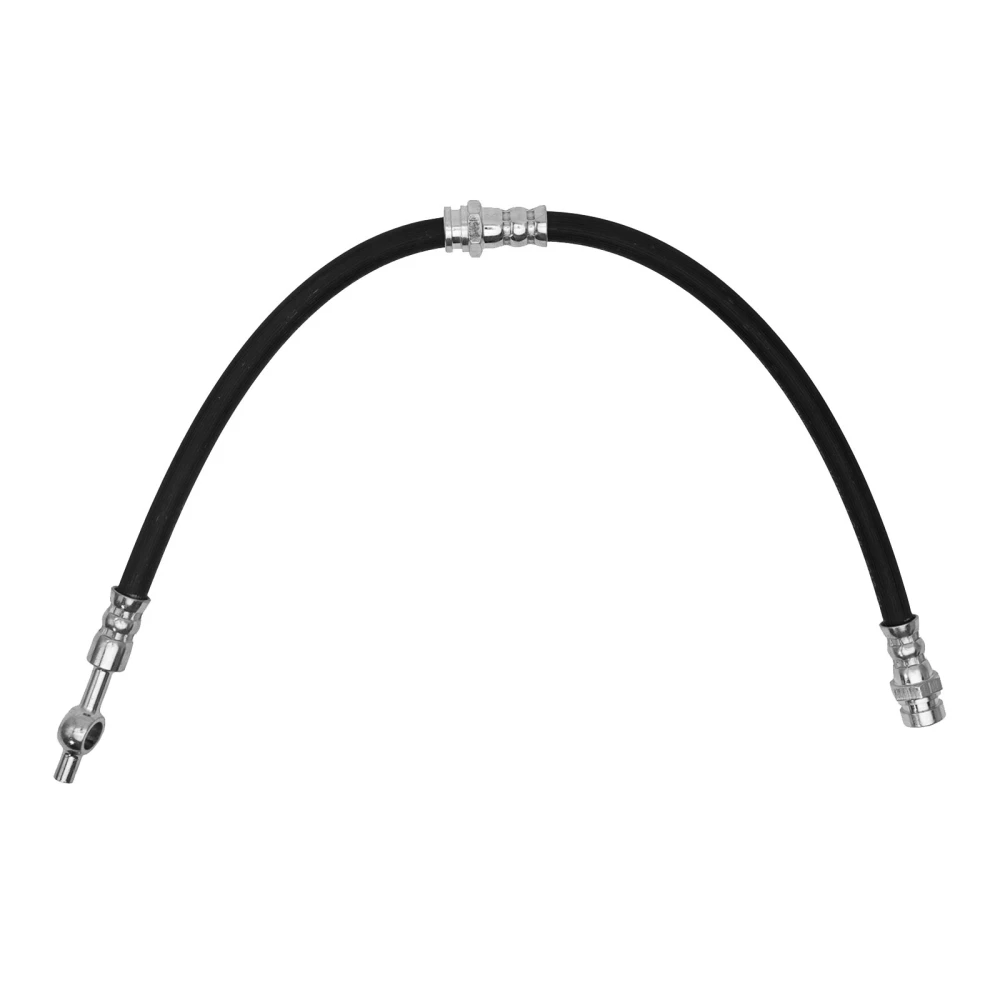
Stainless steel brake lines can be worthwhile when you want firmer pedal feel and consistent pressure transfer. You may notice greater differences during hard braking, towing, off-road driving, or repeated track sessions.
Healthy rubber hoses can still perform well, so your existing brake system condition strongly affects results.
Standard rubber hoses flex slightly under hydraulic pressure, especially after years of regular driving and environmental exposure. A stainless steel braid limits expansion, helping more pedal input reach your calipers during braking applications. Replacing weakened rubber hoses can produce a more noticeable change than replacing hoses already performing properly.
Brake Lines and Braking Response
Brake hoses carry pressurized brake fluid from your master cylinder toward calipers throughout your vehicle’s braking system. When you press the pedal, hydraulic pressure helps your calipers clamp brake pads firmly against rotors. Flexible hose expansion can absorb some hydraulic input, which may contribute to softer brake pedal response.
Stainless steel braided hoses resist that expansion, giving you more direct and consistent hydraulic pressure transfer.
You should not expect brake lines alone to create dramatically greater braking force or shorter stopping distances. Their primary benefit involves pressure consistency and pedal response whenever you apply your vehicle’s braking system.
Stainless Steel Brake Lines Versus Rubber Hoses
Rubber brake hoses remain suitable when you primarily drive under ordinary street and commuting conditions daily. They provide flexibility and commonly appear as factory equipment across passenger vehicles and many light trucks.
Over time, repeated hydraulic pressure and environmental exposure can cause rubber hoses to weaken or stretch. Those changes may leave your brake pedal feeling softer or less consistent during repeated braking applications.
Stainless steel braided lines surround an inner hydraulic hose with braid that helps restrict unwanted expansion. That construction can provide firmer pedal response while offering added protection against abrasion and external debris. Some designs include protective outer coatings that help limit dirt, corrosion, abrasion, and ultraviolet exposure. However, trapped debris around braided sections can eventually contribute to wear against the inner hydraulic hose.
PTFE inner tubes commonly provide the fluid pathway while handling pressure throughout your vehicle’s hydraulic braking system. The surrounding stainless braid supports that tube and restricts swelling whenever braking pressure rises significantly.
Pedal Feel, Heat, and Driving Conditions
A firmer pedal remains one of the most commonly reported changes after switching to stainless steel brake lines. Less hose expansion can reduce perceived softness while making your braking response feel more immediate and consistent. You may find brake modulation easier during harder stops because pedal feedback can become more predictable.
BMW E39 and E30 drivers have reported firmer response during everyday and performance-focused driving situations. However, you may notice little difference when your existing hoses and overall braking system already perform well.
Porsche drivers have reported limited noticeable changes after replacing capable existing hoses with stainless steel lines. Cup cars also commonly use factory brake lines, showing stainless braided hoses are unnecessary for every application.
Track drivers may appreciate consistent pressure transfer when repeated braking creates demanding heat and pressure conditions. Off-road drivers may value braided protection where exposed hoses encounter debris, abrasion, and challenging terrain regularly. Towing can also make firmer pedal response more noticeable because your braking system handles greater repeated demands. Daily street driving may produce subtler differences, particularly when your current rubber hoses remain in good condition.
Brake Line Inspection and Compatibility
You should inspect brake lines for visible corrosion, moisture, abrasion, leaking areas, or weakened fittings periodically.
A low or spongy pedal can indicate damaged hoses, hydraulic leaks, or trapped air requiring attention. Pulling toward one side or inconsistent braking can also indicate problems somewhere within your braking system. You should watch for cracks, brittleness, blisters, softened sections, and brake fluid around flexible hose areas.
Fittings deserve careful attention because those connection points experience repeated pressure throughout normal braking operation. A leaking brake line requires prompt attention because your braking system depends upon maintaining hydraulic pressure. If pedal resistance drops sharply, you should avoid treating your vehicle as operating under normal braking conditions.
Stainless steel braided lines can complement upgraded braking systems because they limit expansion under increasing hydraulic pressure. Performance drivers may appreciate consistent pedal feedback during repeated braking where temperatures and pressure repeatedly increase.
Off-road drivers may instead prioritize resistance against punctures, abrasion, debris, and other external hose damage. Street drivers can still benefit, although your improvement may remain modest during routine commuting and errands. Your decision should reflect driving conditions, current hose condition, and your preferred brake pedal characteristics overall.
Stainless Steel Brake Line Questions
Stainless steel lines can have disadvantages because dirt may work between braid and the inner hydraulic hose. Over time, trapped particles may contribute to inner hose wear and potentially create hydraulic system leaks.
You may find stainless steel lines worthwhile when firmer pedal response matches your regular driving demands. Off-road applications may benefit from added resistance against external debris, abrasion, and possible hose punctures. For ordinary street driving, differences may remain modest when your existing rubber hoses are performing properly.
Copper nickel is widely preferred for hard brake lines because it combines useful flexibility with lasting durability.
Stainless steel braided lines instead describe flexible hose sections connecting fixed lines with moving braking components. They improve pedal feel by reducing hose expansion while hydraulic pressure travels toward your vehicle’s calipers.
Why Consider R1 Concepts for Your Brake Upgrade
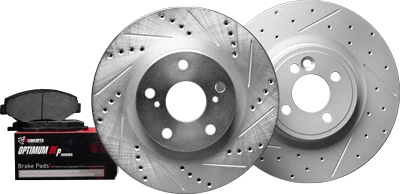
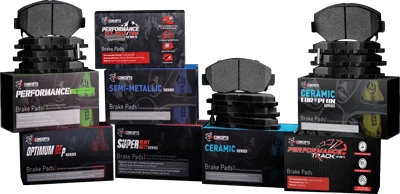
If stainless steel lines suit your driving, our braking components can support your broader brake system refresh. We offer brake pads, rotors, and brake kits for street, performance, towing, and off-road driving needs.
You can choose among R1 OPTIMUM OEp Series, R1 PERFORMANCE Sport Series, R1 eLINE, and R1 GEO-Carbon options.
Shop R1 Concepts brake pads, brake rotors, brake kits and brake calipers.