




The Jeep Grand Cherokee combines daily-road comfort with the capability to tow, travel off-road, and handle heavier loads. From 2000 through 2021, brake needs vary with generation, driving style, modifications, and how hard you work the vehicle. Choosing the right R1 Concepts pads and rotors starts with how you use your Grand Cherokee.
A commuter, an off-road build, and a towing setup place very different demands on the same basic brake system.
Brake System Overview
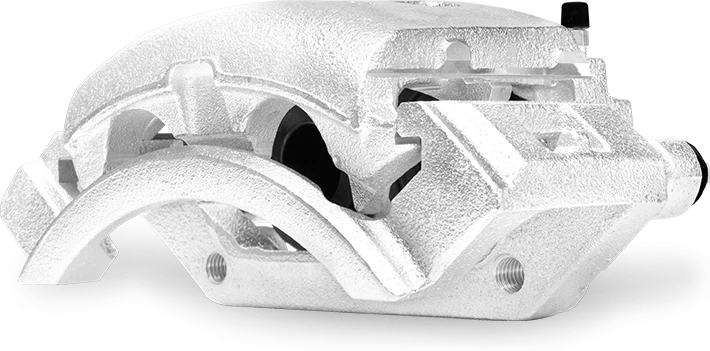
Your Grand Cherokee uses brake pads and rotors together to slow the vehicle. The pads press against the rotor surfaces, creating friction while the rotors absorb and release the resulting heat. Hydraulic pressure begins at the master cylinder and travels to the brake calipers. The calipers then press the pads against the rotors, turning pedal input into braking force at each wheel.
Pad compound, rotor design, and vehicle compatibility all affect how that system behaves. Your best setup depends on noise preferences, brake dust, heat exposure, towing demands, and the type of driving you do most often.
Jeep Grand Cherokee 2000–2010 Brake Options
Second- and third-generation Grand Cherokees are commonly used for commuting, towing, and off-road driving. A brake setup should match those demands without adding features your Jeep does not need. Lifted SUVs and modified Grand Cherokees may place greater demands on their brakes. Different pad compounds and rotor designs give you options for street use, trail driving, or heavier-duty work.
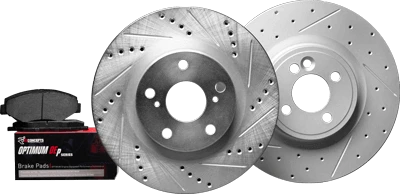
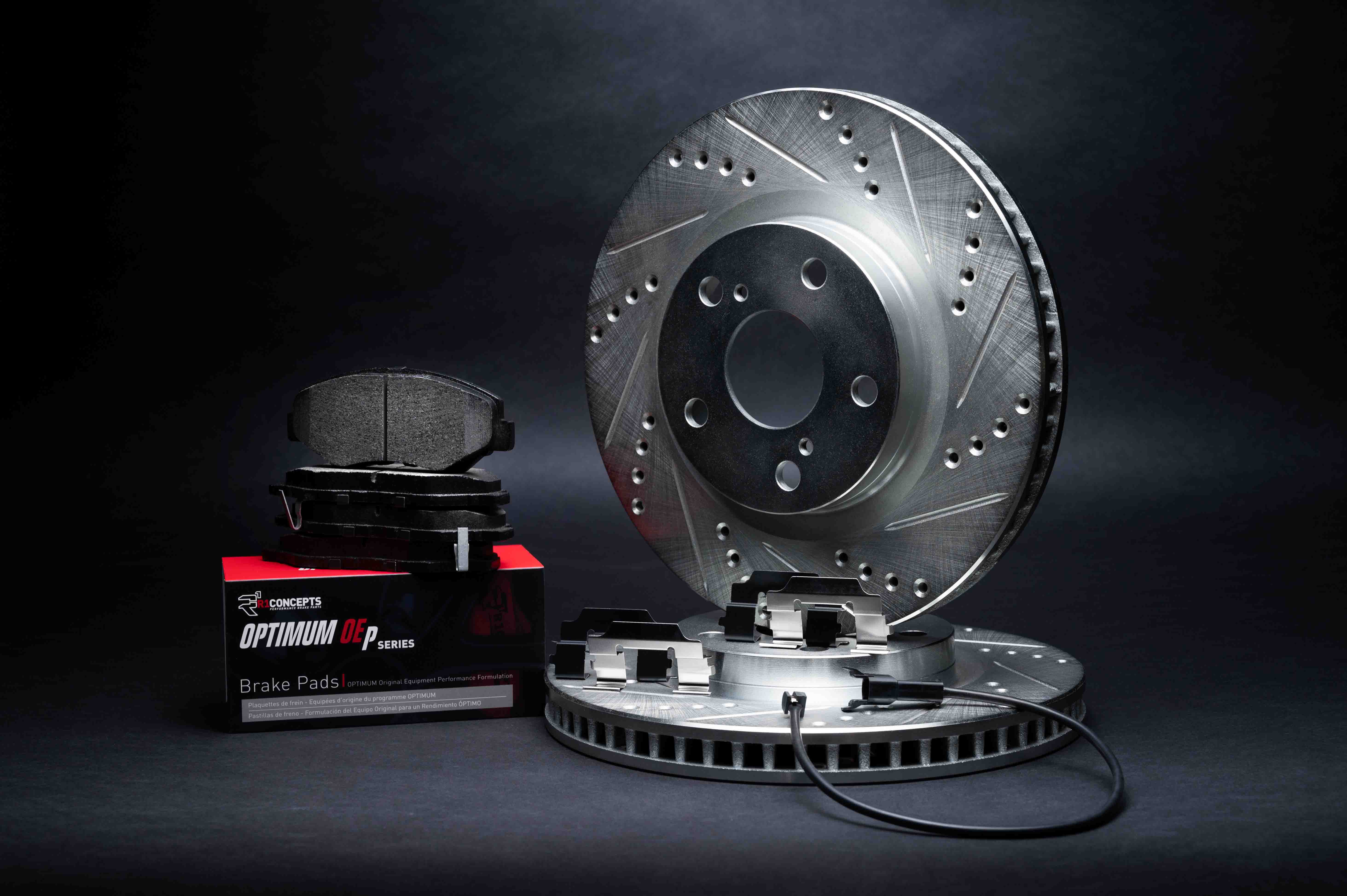
For daily driving and light off-roading, our R1 OPTIMUM OEp Series Brake Pads provide an OE-style option focused on smooth, quiet braking, low dust, and consistent everyday use.
Our R1 GEO-Carbon Series Blank Brake Rotors suit drivers looking for a straightforward replacement-style rotor. Their blank design works well for normal street driving, with corrosion resistance intended to support long service life. Our R1 CERAMIC Series Brake Pads are another daily-driving option. They focus on smooth operation, lower brake dust, and reduced noise, which can matter if you want cleaner wheels and quieter stops.
Jeep Grand Cherokee 2011–2021 Brake Options
Fourth- and fifth-generation Grand Cherokees brought more refinement, stronger engine choices, and higher towing capability. Those traits can increase brake heat during towing, spirited street driving, or repeated stops.
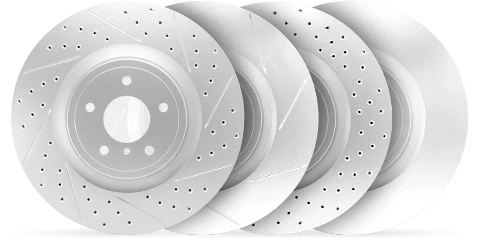
Our R1 PERFORMANCE Sport Series Brake Pads suit spirited street driving and light off-road use. Their higher-friction compound is intended for drivers who generate more brake heat than a typical commuter. For towing and off-road use, our R1 GEO-Carbon Series Drilled & Slotted Brake Rotors provide a different surface design. The slots help clear dust and gases during higher-temperature braking, while the drilled and slotted layout gives the rotor a more aggressive appearance.
Our R1 eLINE Black Series Drilled and Slotted Brake Rotors pair that layout with a black zinc coating for added corrosion resistance. They suit drivers who want both a visual change and a drilled-and-slotted rotor design.
Compatibility still matters. Rotor size, pad fitment, and the brake system fitted to your specific Grand Cherokee should guide your selection.
Brake Pad and Rotor Options
Your driving habits should determine which brake parts make sense. Daily street use usually favors smooth response, lower noise, and manageable dust, while towing and off-road driving can create more heat. Ceramic pads are a strong fit for drivers who prioritize quieter braking and cleaner wheels. Blank rotors suit straightforward street use, while drilled and slotted designs are aimed at drivers who see more demanding braking conditions.
Solid rear rotors may also be appropriate where that configuration matches the vehicle. The main requirement is choosing components designed for your Grand Cherokee’s specific brake package.
Brake pad composition also affects feel and behavior. Pads may use blends containing carbon, metallic material, and fillers, while rotors are commonly made from cast iron or composite materials. Those materials influence heat handling, wear, noise, and friction characteristics. Always match pad and rotor choices to your Jeep’s make, model, brake dimensions, and existing hydraulic system.
Driving Style Recommendations
For daily driving and city use:
- R1 OPTIMUM OEp Series Brake Pads
- R1 CERAMIC Series Brake Pads
Recommended rotors:
- R1 GEO-Carbon Series Blank Brake Rotors
- R1 eLINE Series Blank Brake Rotors
For off-roading and heavy-duty use:
- R1 PERFORMANCE Off-Road/Tow Series Brake Pads
Recommended rotors:
- R1 GEO-Carbon Series Drilled & Slotted Brake Rotors
For towing and performance driving:
- R1 PERFORMANCE Off-Road/Tow Series Brake Pads
Recommended rotors:
- R1 eLINE Black Series Drilled and Slotted Brake Rotors
A mostly stock Grand Cherokee used for commuting has different needs from one carrying larger tires or towing regularly. Start with your normal use, then choose the pad compound and rotor style that fit that workload.
Factors to Consider When Choosing Brake Pads and Rotors
Begin with driving conditions. Frequent off-road use, towing, or repeated hard stops can create more brake heat than routine city or highway driving. Noise and dust matter too. If you want quieter operation and cleaner wheels, ceramic pads may suit your priorities better than a more aggressive friction compound.
Rotor design should also match your use. Blank rotors work well for normal replacement needs, while drilled and slotted designs are better suited to drivers who regularly expose their brakes to harder use.
Check brake pad material, rotor size, and vehicle compatibility before buying. The parts need to match the brake system installed on your specific Grand Cherokee. Master cylinder compatibility is another consideration when evaluating brake-system components. Staying within the correct vehicle application keeps the pad, rotor, and hydraulic system working together as intended.
Expert Maintenance Tips for Jeep Grand Cherokee Brakes 2000–2021
- Inspect your brake pads and rotors every 6-12 months, especially if you tow, travel off-road, or use your Grand Cherokee for heavier-duty driving.
- Replace your brake fluid every 2-3 years to limit moisture buildup and maintain consistent hydraulic braking response.
- Follow the recommended bed-in procedure after installing new brake pads or rotors. Proper bedding promotes even contact between the pad and rotor surfaces.
- Reevaluate your brake setup after adding larger tires, suspension changes, or other performance modifications. Those changes can increase the demands placed on the braking system.
Regular inspections can also catch uneven wear, damaged friction surfaces, or parts nearing replacement before they become more noticeable during braking.
Why Upgrade to R1 Concepts Brake Pads for Your Jeep Grand Cherokee?
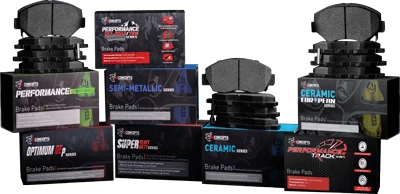
We offer several pad compounds and rotor designs for Grand Cherokee owners with different priorities. You can choose around daily commuting, wheel cleanliness, towing, off-road use, or more aggressive street driving. Our product choices include R1 OPTIMUM OEp Series and R1 CERAMIC Series pads for everyday use, plus R1 PERFORMANCE Sport Series and R1 PERFORMANCE Off-Road/Tow Series options for more demanding driving.
Our rotor choices range from R1 GEO-Carbon Series Blank Brake Rotors to drilled and slotted GEO-Carbon and eLINE designs. The available combinations let you match appearance and braking characteristics to how you actually use your Jeep.
For a Grand Cherokee covering model years 2000 through 2021, the right upgrade is the one that fits your generation, brake package, and driving habits. Matching those three factors gives you a much better starting point than choosing parts by appearance alone.
Shop R1 Concepts brake pads, brake rotors and brake kits.
Why We Are Worth Considering for Your Grand Cherokee
We give you brake options suited to commuting, towing, off-road driving, and higher-heat braking conditions. You can match our pad compounds and rotor designs to your Grand Cherokee’s workload, brake package, and driving habits.
Shop our brake pads, brake rotors, and brake kits.
