



What Does A Bad Caliper Sound Like?
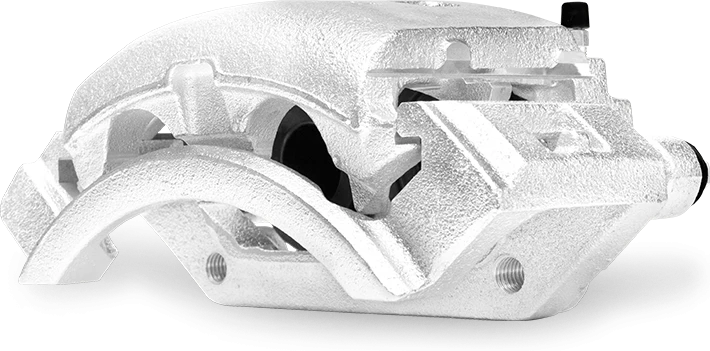
A bad brake caliper can produce dragging or rubbing sounds near one of your vehicle’s wheels. As the problem develops, you may hear squeaking, grinding, clicking, or clunking noises during normal braking. Each sound points you toward a different group of possible brake problems affecting your vehicle.
Worn pads, seized components, loose hardware, damaged pistons, or debris around your brakes can create noise. Brake calipers clamp your brake pads against the rotors whenever you press the brake pedal firmly. If a caliper cannot move or release correctly, your braking performance can suffer and components wear unevenly.
Signs Of A Bad Brake Caliper: Brake Caliper Noise And Causes
Start by paying attention to exactly what you hear and when the unusual brake noise appears. A squeak during braking suggests something different from clunking over rough pavement or constant grinding sounds.
Squeaking Noises
Squeaking often points toward worn brake pads, especially when their remaining friction material becomes noticeably thin. In some cases, a seized brake caliper keeps your pad against the rotor, creating persistent squealing. A caliper can seize when corrosion, dirt, debris, or poor lubrication interferes with its sliding pins.
Rust around the piston can also restrict movement, particularly when its protective rubber boot has failed. Once the piston or sliding mechanism sticks, one pad may remain against your rotor longer than intended. That added contact can produce noise, uneven pad wear, and reduced braking efficiency while you drive.
Clicking Or Knocking Noises
Clicking or knocking can come from loose or damaged brake components within your vehicle’s braking assembly.
If the pads or caliper have room to move, they may shift whenever braking force applies. Loose parts can bounce or change position as you press and release your vehicle’s brake pedal. Worn or damaged mounting components may produce similar sounds, especially when you brake repeatedly during driving.
Grinding Noises
Grinding usually deserves immediate attention because metal-to-metal contact may already be occurring within your braking system. Brake pads worn to their backing material can scrape against your rotor, creating harsh metallic sounds.
A seized or sticking caliper can cause grinding too when it does not release after braking. Your pads then remain pressed against the rotor, creating continuous friction while your vehicle continues moving. Road grit, small stones, or other debris can sometimes create a similar scraping sound near brakes. Material lodged between your brake pad and rotor may scrape whenever the wheel turns or brakes engage.
Clunking Sounds
A broken caliper piston can create clunking or other mechanical noises within your vehicle’s brake assembly. Damage may also prevent proper piston retraction, leaving your pads in unwanted contact with the rotor.
Loose caliper guide pins can allow your caliper to shift noticeably whenever you apply the brakes. Even small amounts of unwanted movement may produce noise near your wheel or within the assembly. Worn caliper bushings can produce similar symptoms while allowing excessive movement within your vehicle’s brake assembly. You may notice that movement particularly during sudden stops or while driving across rough pavement surfaces.
Determine The Noise’s Location And Severity
Once you recognize the sound type, determine where the noise seems to originate on your vehicle. Determine whether you hear it at the front or rear, then identify the left or right side. Pinpointing the location gives you a smaller brake area requiring further attention from someone properly equipped. It can also prevent unnecessary attention to brake components that are unrelated to your vehicle’s actual problem.
Pay attention to how loud the sound becomes and whether its intensity continues getting noticeably worse. A quiet squeal becoming progressively louder may indicate a sticking caliper accelerating wear on existing brake components.
Do not assume volume alone provides your complete diagnosis of a possible brake caliper problem. Grinding, heavy clunking, or rapidly worsening noises should receive prompt attention because additional brake damage may develop.
Solutions To Brake Caliper Problems
The appropriate repair depends on what caused the noise within your vehicle’s affected brake assembly. Before parts are replaced, the problem should be identified as wear, restricted movement, damage, looseness, or contamination.
Metal-To-Metal Contact
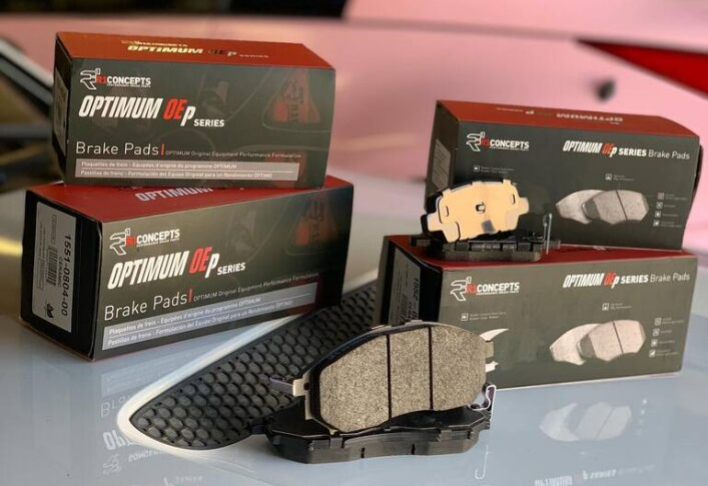
If your brake pads have worn down to metal, replacement becomes necessary to restore proper friction material. Fresh brake pads separate the caliper assembly and rotor from damaging contact with exposed metal backing material. Your surrounding brake components should receive attention at the same time because metal contact can damage rotors. The condition of both your brake pads and rotors should be evaluated before replacement parts are selected.
Seized Caliper Piston
A seized piston may mean your caliper requires professional rebuilding or complete replacement, depending on condition. This type of repair can involve internal caliper components, corrosion removal, damaged seals, and piston condition.
In some cases, your damaged piston may also require replacement as part of the necessary caliper repair. The appropriate approach depends on your caliper’s overall condition and the extent of its internal damage.
Dirt In The Caliper
Dirt and brake dust around sliding surfaces can interfere with normal movement inside your caliper assembly. Proper servicing may involve cleaning affected areas and checking your piston, sliding surfaces, and related components carefully. If contamination has reached internal components, your caliper may require more extensive service from someone properly equipped.
Proper lubrication of specified sliding components also matters because restricted movement can contribute to recurring brake noise.
Broken Or Damaged Caliper Components
A broken caliper piston may require your complete caliper to be rebuilt professionally or replaced entirely. Physical damage to your caliper body, including cracks or leaks, can also make replacement necessary. Guide pins should be evaluated for looseness, corrosion, or damage whenever your caliper shows unwanted movement.
Worn or damaged pins can interfere with proper alignment and contribute to abnormal braking noises or wear. Caliper bushings should also be checked where applicable when your vehicle shows excessive brake assembly movement. Cracking, deterioration, or wear can allow poor caliper alignment and contribute to continued noise or uneven wear.
Frequently Asked Questions
Are there any safety risks associated with driving with a noisy brake caliper?
Yes, a noisy brake caliper may indicate seized components, worn pads, loose hardware, or another braking problem. These conditions can affect how consistently your vehicle slows, especially when the underlying issue continues getting worse.
A sticking or damaged caliper can reduce braking efficiency and increase your vehicle’s required stopping distance. Severe problems can continue damaging surrounding components and may eventually interfere with your vehicle’s normal braking performance.
How can I prevent brake caliper noise in the future?
Have your brake pads, rotors, calipers, and related hardware checked periodically for signs of wear or damage. Replace worn components when needed instead of waiting until grinding or heavy mechanical noises begin developing. Keeping caliper sliding components clean and properly lubricated where required can support consistent movement and quieter operation.
Avoiding unnecessary hard braking may also reduce excessive heat and wear throughout your vehicle’s braking system.
Can a noisy brake caliper cause other problems with my car?
Yes, a malfunctioning caliper can cause uneven brake pad wear and abnormal contact against your brake rotor. That uneven contact may create rotor surface problems, vibration, or a shaky feeling whenever you apply brakes. Continued caliper problems can also place added stress on nearby brake components and create more extensive repairs.
Having unusual brake noises checked promptly can help you identify wear before surrounding components experience greater damage.
R1 Concepts Brake Parts For Caliper-Related Wear
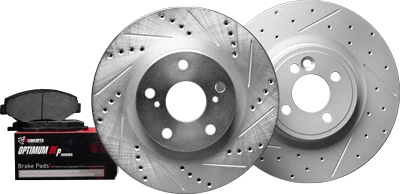
We offer brake pads and rotors suited for replacing components affected by uneven caliper-related wear patterns. Our vehicle-specific options help you match replacement components after identifying worn pads, damaged rotors, or abnormal brake contact.
Shop R1 Concepts brake pads, brake rotors, brake kits and brake calipers.