


What happens when you point a 2024 Volkswagen Atlas at King of the Hammers for your first time off-road? If you’re Peace, you build it right, send it, and find out the hard way that brakes matter just as much in the desert as they do on the freeway. This week’s What’s On Your Rig? follows Peace, a member of the R1 Concepts crew, walking through the parts that turned a family hauler into an overland-ready KOH rig, plus the rock-wall moment that made every dollar of that build worth it.
Meet Peace and His VW Atlas Overlander
Peace built his 2024 Volkswagen Atlas with one goal: take his family and his dog camping anywhere they want to go. Beach, mountains, or the deep desert at KOH, the Atlas had to handle all of it. A VW badge isn’t the first thing you think of when someone says “overland build,” and honestly that’s what makes this rig so fun. It’s a reminder that the platform matters way less than the parts you bolt to it and how the whole package comes together.
The Build: Wheels, Tires, Suspension, and Brakes
Black Rhino Arrivals 17-Inch Wheels and 33-Inch Toyo Tires
The wheel and tire combo is doing a ton of the heavy lifting here. Peace dropped down to Black Rhino Arrivals 17s wrapped in 33-inch Toyos. Going to a 17 from the stock wheel gets you taller sidewall, which means more cushion over rocks and more flex when you air down. The Toyos handle the rest, giving the Atlas real bite in loose terrain without ruining how it drives on the way to and from the trail.
Solar Works Suspension with B2B Spacers
To fit the bigger meats and grab the ride height an overland rig needs, Peace is running Solar Works suspension paired with B2B spacers. That combo nets him the lift to clear obstacles without trashing the ride quality his family expects on a long camping trip. It also keeps the geometry close enough to stock that he isn’t chewing tires or feeling sketchy at highway speed on the way out to the trail.
R1 Concepts Big Brake Kit (3566 Front, 356 Rear)
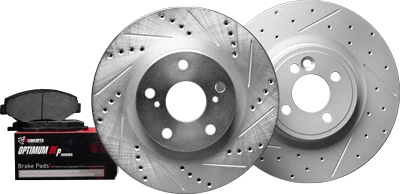
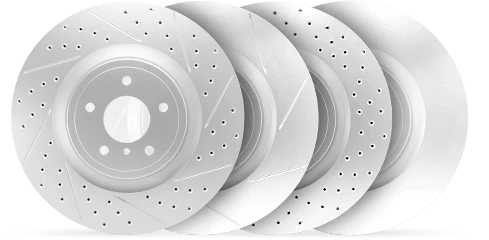
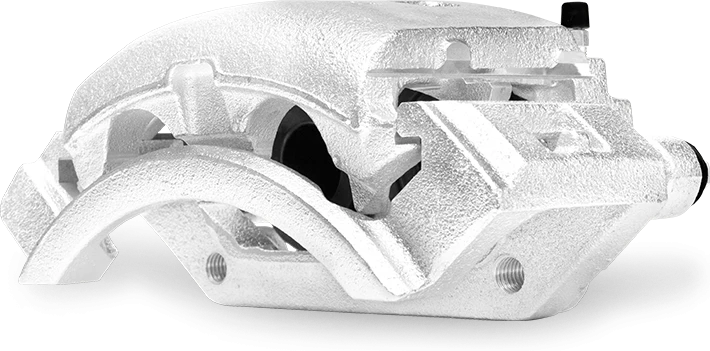
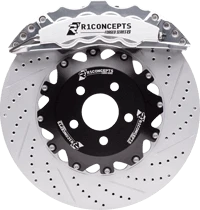
This is the part of the build Peace credits with saving him at KOH. He’s running the R1 Concepts big brake kit, 3566 calipers up front and a 356-piston setup in the rear that keeps the factory electronic parking brake. Bigger rotors and bigger pistons mean more clamping force and a lot more thermal capacity, which is exactly what you want when you’re loaded down with camping gear, climbing in altitude, and scrubbing speed on a steep descent. A heavier rig on bigger tires has more rotational mass to slow down. Stock brakes weren’t built for that, and a brake fade moment in the desert isn’t the place to find out.
First Time at King of the Hammers
KOH is one of the most demanding events on the off-road calendar. The trails out at Means Dry Lake mix high-speed desert running with technical rock crawling, and the lighting situation is whatever the sky feels like giving you. For a first off-road run, that’s a brutal place to learn. Peace went anyway. He aired down, lined up, and got his first real taste of what the Atlas can do once you actually point it at the rough stuff.
When the Brakes Saved the Day
Here’s the moment that made the build worth it. Peace was following another rig and ended up off the marked trail without realizing it, in the dark, with no auxiliary lighting yet. A rock wall came up fast and he had one option: stop. The R1 Concepts big brake kit did exactly what it was built to do. He got the Atlas pulled down before it turned into an expensive lesson, and he walked away with a story instead of a body shop invoice. As Peace put it, those brakes did help. He was able to stop when he needed to stop. That’s the whole point.
Why Big Brake Kits Matter for Overlanders
If you’re building an overland rig, brakes are the most overlooked spec on the build sheet. Everyone talks about wheels, tires, racks, lights, and suspension. Brakes get a footnote. The reality is that every other upgrade you bolt on adds weight or rotational mass, and your factory brakes weren’t engineered to slow a heavier, taller, more aggressive truck on a loaded descent. Going to a bigger rotor and a multi-piston caliper gives you the stopping power you actually need when conditions go sideways. That’s what saved Peace, and that’s why a brake upgrade is one of the smartest dollars you can spend on an overland build.
Watch the Full Video
Hit play above to see Peace walk through the full build at KOH and hear the rock-wall story in his own words. If you’re thinking about a brake upgrade for your overland rig, daily driver, or anything in between, see what R1 Concepts has for your vehicle at r1concepts.com.