





Brake tuning often starts with power, suspension, and tires, but pads shape how confidently you use performance. They create friction against the rotors, affecting stopping power, pedal response, heat management, and overall control. Performance driving also puts more heat into your braking system, especially during repeated hard stops. Brake fade can follow during high-speed driving, track use, or long downhill sections under sustained braking.
Understanding Brake Pads
Brake pads convert your vehicle’s kinetic energy into heat through friction created against the brake rotor. Most pads use friction material attached to steel backing plates, with that material performing the braking work.
Pad material changes brake response, heat tolerance, dust production, noise levels, and expected wear characteristics. Ceramic and semi-metallic materials serve different driving needs, so your best choice depends on actual conditions. A vehicle used for towing or steep terrain may require stronger friction and greater heat tolerance. Your daily-driven street car may prioritize quieter operation, lower dust, and predictable braking response instead.
Stopping Power, Heat Resistance, and Pedal Feel
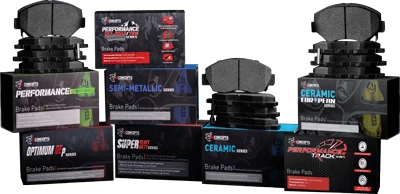
A tuned vehicle may accelerate harder and carry more speed, increasing the demands placed on braking. Performance pads use higher friction levels to deliver stronger deceleration during demanding or repeated braking situations. We offer R1 PERFORMANCE Sport Series Brake Pads for drivers seeking increased friction and heat resistance. They provide consistent braking characteristics during repeated hard use, including frequent stops from higher vehicle speeds.
Heat becomes a greater concern as your braking demands rise during aggressive or sustained driving conditions. Excessive temperatures can reduce available friction, causing the loss of braking effectiveness commonly called brake fade.
Performance compounds tolerate higher temperatures while maintaining more consistent friction throughout demanding braking conditions and repeated stops. Low-fade formulations can benefit repeated braking or long, steep descents where heat continues building over time. Pedal response matters alongside stopping force because predictable braking helps you control vehicle behavior more precisely.
A linear pad response helps you judge braking force as your applied pedal pressure increases progressively. That predictable relationship supports finer control during high-speed maneuvers, spirited street driving, or competitive driving situations. Reduced pedal travel can also make your braking inputs feel quicker and more direct during performance driving.
Brake Pad Materials and Friction Levels
Different pad materials produce different friction levels, heat resistance, dust characteristics, noise levels, and wear rates. Performance tuning works best when your selected pad compound matches where and how you actually drive.
- Semi-metallic pads provide durability and heat resistance, making them suitable for performance street driving and light track use.
- Ceramic pads provide smooth, consistent braking with lower dust, suiting many daily-driven performance vehicles and street builds.
- Carbon-metallic or race compounds handle extreme conditions and can deliver higher friction at elevated operating temperatures.
Higher friction does not automatically make a brake pad the right choice for every tuned vehicle. Street driving, track use, towing, and off-road conditions each place different demands on your braking system.
Durability, Brake Dust, and Noise
Performance pads operate under higher friction and heat, which can increase wear during more demanding driving. Some compounds wear faster than standard pads because stronger braking performance takes priority during harder conditions. Pad design also affects rotor wear, especially when friction levels and operating temperatures increase significantly. A well-matched compound balances braking performance and service life around the demands of your driving habits.
Dust and noise levels can vary considerably between different pad compounds and their intended applications. Aggressive performance pads may produce more, while ceramic-based options generally support cleaner and quieter street operation.
For daily-driven performance vehicles, ceramic pads can suit drivers wanting stronger braking with controlled dust levels. More demanding driving may justify accepting different noise, wear, and dust characteristics for increased performance.
Tuning Brake Pads for Different Driving Scenarios
Your driving environment should guide your brake pad choice because different conditions create different braking demands. Commuting and spirited canyon driving require different characteristics than repeated track braking or towing heavier loads.
- Street performance: Choose balanced friction, controlled dust, manageable noise, and consistent response during everyday driving conditions.
- Track use: Prioritize heat tolerance, stronger friction, and fade resistance during repeated high-temperature braking events.
- Off-road or towing: Focus on durability, braking force, and consistent performance under added loads or difficult terrain.
We offer R1 PERFORMANCE Sport Series Brake Pads for drivers focused on performance-oriented street driving. For towing and demanding off-road use, we offer R1 PERFORMANCE Off-Road/Tow Series Brake Pads. Choosing pads around your actual use matters more than selecting the most aggressive available compound.
Your street vehicle and track-focused build simply place different demands on the complete braking system.
Matching Pads With Other Brake Components
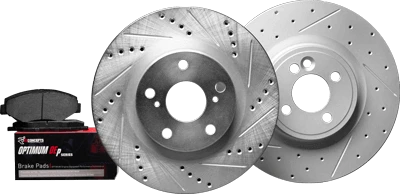
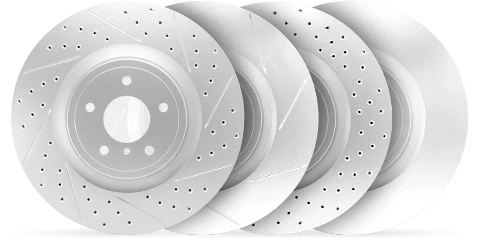
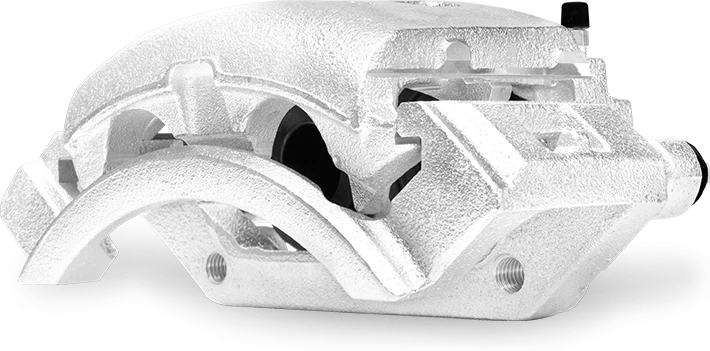
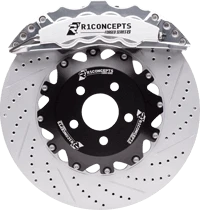
Brake pads work within a complete braking system that includes rotors, lines, calipers, and brake fluid. Each component influences how your vehicle responds after you press the brake pedal during demanding driving. Drilled or slotted rotors can pair with performance pads depending on your setup and driving conditions. Slots can help clear gas and dust at higher temperatures during repeated hard braking situations.
Stainless steel brake lines can contribute to a firmer, more consistent pedal response during performance driving. Larger rotors may improve heat dissipation in braking systems specifically designed to accommodate their increased capacity.
Compatibility matters whenever you change several brake components around the same performance goal or driving conditions. Your pads, rotors, calipers, and supporting components should work toward the same intended braking characteristics.
Upgrading Your Brake System
Brake upgrades can involve changing pads alone or replacing several major components within your braking system. High-performance pads are often considered early because they directly affect friction, heat resistance, and pedal behavior. Some drivers also choose larger rotors where compatible systems can benefit from increased heat management capabilities.
Others upgrade more braking components when vehicle modifications or driving conditions create greater performance demands. Your appropriate modification level depends on the vehicle, its setup, and how you regularly drive. A street build may need carefully matched pads and rotors, while heavier use increases system demands.
Maintaining Brake Performance
Performance braking components still need regular inspection because wear can change braking response and overall consistency. Check pads and rotors for wear, since damaged surfaces or depleted friction material can reduce performance.
Brake fluid and hydraulic condition also affect how consistently your braking system responds during demanding use. System bleeding removes trapped air, while periodic fluid replacement supports proper hydraulic operation and consistent pedal behavior. Pay attention to changes in pedal feel, braking response, unusual noise, and visible component wear. These changes can indicate that your braking system needs inspection before performance becomes noticeably reduced.
Brake pads remain highly influential within a performance-tuned braking system because they directly create stopping friction. The right compound can improve stopping force, manage heat, sharpen response, and better match your driving.
Why Consider R1 Concepts for Brake Tuning
We provide brake pad options suited to performance street driving, track use, towing, and demanding off-road conditions. Our product range helps you match friction, heat resistance, response, and driving demands without overbuilding your setup.
You can pair our performance pads with compatible R1 eLINE or R1 GEO-Carbon rotors for your application.
Shop R1 Concepts brake pads, brake rotors and brake kits.
