



Understanding the Relationship Between Brakes and Fuel Economy
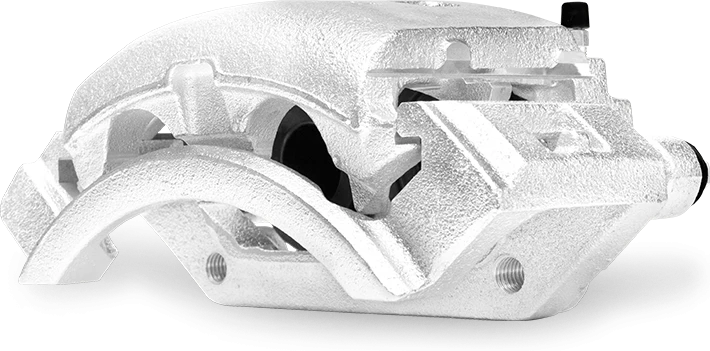
Your brakes can affect fuel economy when parts create resistance after you release the pedal. The engine then has to work against that resistance while keeping the vehicle moving. Pressing the brake pedal moves the caliper piston, pushing the pads against the rotor, and friction slows the vehicle. Once you release the pedal, the pads should stop applying braking force.
A sticking caliper piston or another brake problem can leave a pad rubbing against the rotor. That brake drag adds resistance, which can increase fuel consumption and create excess heat.
Regular brake maintenance can catch worn pads, rotor problems, contaminated brake fluid, corrosion, and sticking components. Replacing worn parts or servicing the system when needed can reduce unwanted drag. Basic brake maintenance should include:
- Inspect brake pads and rotors regularly for wear or uneven contact.
- Use the correct brake fluid for your vehicle.
- Keep the caliper bracket clean and free of debris.
- Avoid putting anti-seize where it can attract dirt and interfere with brake components.
- Replace worn brake parts before they begin creating added resistance.
Excessive Drag from Worn Rotors and Brake Problems
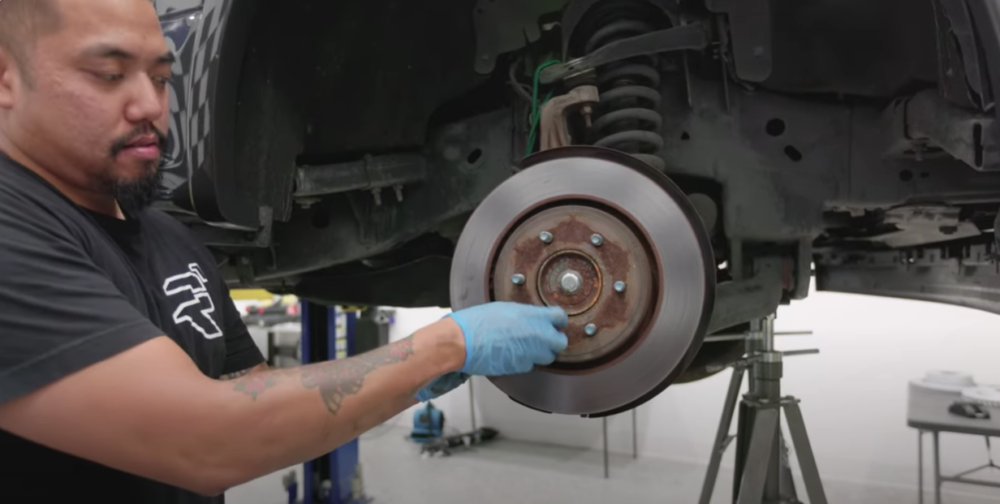
Rotors should turn freely with the wheel whenever you are not braking. If a pad continues rubbing against the rotor, your engine must overcome that extra resistance. Both front and rear brakes can develop drag, so checking the complete system matters. A sticking caliper, worn components, corrosion, or uneven rotor contact can all contribute.
A pulsing pedal is sometimes described as a warped rotor, but rotors do not normally warp. Uneven pad deposits or a dirty hub face can create thickness variation that produces the familiar pulsation.
Correcting the condition behind brake drag reduces unnecessary friction. With less resistance at the wheels, your vehicle does not need to work as hard to maintain speed.
Rotor Weight, Heat, and Brake Fade
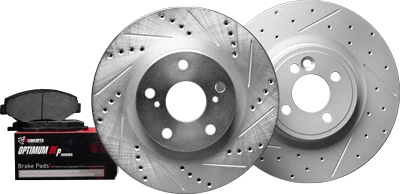
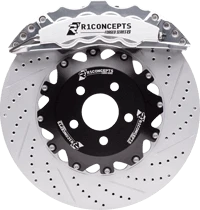
Brake rotors contribute to a vehicle’s unsprung and rotating weight. Heavier components require more energy during acceleration and deceleration, so rotor weight can influence overall efficiency. The R1 GEO-Carbon Series is one option for drivers considering performance-oriented rotors. Rotor choice should still match the vehicle, braking demands, and normal driving conditions rather than fuel economy alone.
Heat also matters, especially during repeated braking in stop-and-go traffic. A slightly stuck caliper can keep generating heat after you release the pedal, increasing drag while raising brake temperatures.
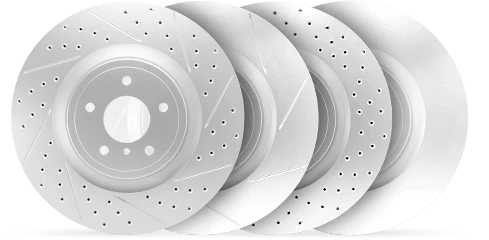
Repeated heavy braking can eventually lead to brake fade. Drilled or slotted rotor designs are intended to manage gas and brake dust at higher temperatures, conditions more common during demanding driving than ordinary road use.
Brake System Efficiency Matters
Fuel economy depends on more than the rotor itself. Calipers, pads, brake lines, fluid, brackets, and other components must work together without leaving the brakes partially applied. Stainless steel brake lines and properly matched brake components can provide a more consistent pedal response, making it easier to control your stops instead of reacting with abrupt pedal inputs.
A brake system that releases correctly is especially relevant to mileage.
If one wheel continues dragging, the engine has to overcome that resistance every time the vehicle moves.
Proper Rotor Maintenance for Fuel Efficiency
Rotor maintenance should focus on condition rather than a fixed replacement schedule. Inspect the rotors for uneven wear, surface problems, corrosion, and signs that the pads are making inconsistent contact. Replace pads or rotors when their condition calls for it. Brake hardware and sliding surfaces should also remain clean, properly lubricated where required, and free from corrosion that restricts movement.
Pay attention to changes such as unusual heat, dragging, noise, or pedal pulsation. Those symptoms can point toward problems that affect braking behavior and may increase rolling resistance.
Keeping the hub face clean during rotor installation also matters. Debris between the hub and rotor can keep the rotor from sitting squarely, which may contribute to uneven contact over time.
Choosing the Right Rotors for Better MPG
Rotor choice should begin with how you actually drive. Daily commuting, repeated city stops, towing, and harder performance use place different demands on the braking system. For daily drivers, the R1 eLINE Series and R1 GEO-Carbon Series provide options for different braking needs. Choosing the correct design matters more than assuming one rotor style will automatically produce better mileage.
Drivers who frequently encounter heavier braking may consider drilled or slotted rotor options. Their primary benefit relates to managing gas and dust at higher brake temperatures, rather than preventing rotor warping.
Fuel economy gains from rotor choice alone may be limited. Preventing brake drag and keeping the system working correctly are more direct ways your brakes can affect fuel use.
Driving Habits and Gas Mileage
Your driving habits can have a larger effect on fuel use than the rotor design itself. Frequent hard braking wastes momentum that the engine already used fuel to create.
You can reduce unnecessary braking by:
- Avoiding hard braking when traffic conditions give you room to slow gradually.
- Maintaining steady speeds whenever conditions permit.
- Watching traffic ahead so you can anticipate stops and speed changes.
Smoother driving can reduce brake wear while lowering the amount of energy lost during repeated acceleration and braking. It also places less heat into the rotors during everyday driving.
Why R1 Concepts Is Worth a Look
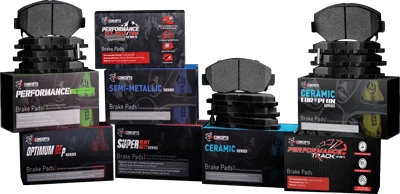
If you want to reduce brake-related resistance, we offer rotor and pad choices for different driving needs. You can match those options to your vehicle while focusing on clean release, manageable heat, and consistent braking.
Shop R1 Concepts brake pads, brake rotors, brake kits and brake calipers.