




Brake wear is unavoidable, but your driving habits and maintenance routine influence how quickly components wear down. Keeping loads reasonable, braking smoothly, and checking your braking system regularly can extend pad and rotor life.
Understanding Brake Wear and Tear
Every stop creates friction between your brake pads and rotors, causing both components to wear gradually. Some driving conditions create more heat and stress, which can accelerate wear across your braking system.
- Aggressive driving: Hard braking and frequent sudden stops can wear your brake pads and rotors much faster.
- Excess weight: Heavy cargo or towing increases the braking work your vehicle must handle during every stop.
- Stop-and-go traffic: Frequent braking in city traffic can shorten your brake pad lifespan over repeated trips.
- Downhill driving: Riding your brakes during long descents can build heat and accelerate pad and rotor wear.
- Brake fluid: Low or contaminated brake fluid can affect how consistently your braking system operates during driving.
You cannot avoid every demanding condition, especially when your regular routes include traffic or steep downhill grades. Changing how you respond to those conditions can still reduce unnecessary wear throughout your vehicle’s braking system.
Choose Quality Brake Pads and Rotors
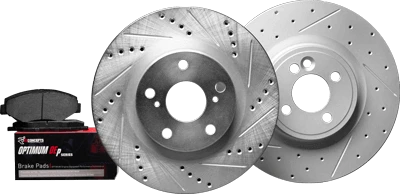
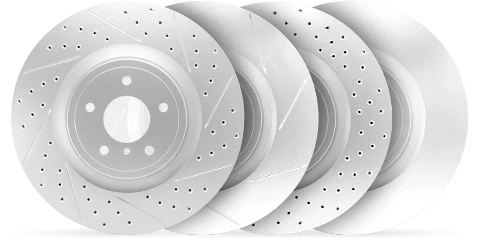
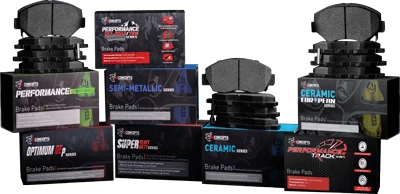
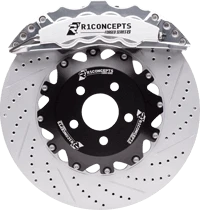
Brake pad and rotor selection matters because different driving conditions place different demands on your braking system. We offer several options for replacing worn components or adjusting your brake setup for specific driving conditions. R1 GEO-Carbon Series and R1 eLINE Series rotors help address braking conditions involving repeated friction and heat. You can pair them with R1 PERFORMANCE Sport Series Brake Pads for a more performance-focused braking combination.
Regular inspections still matter regardless of which brake components you select for your vehicle and driving needs. Checking pads, rotors, and nearby brake components helps you identify wear before other parts become affected.
Use Gentle Driving Techniques
How you approach each stop can make a noticeable difference in how quickly your brake components wear.
Hard, last-second braking places greater demand on your pads and rotors than slowing your vehicle progressively instead. Watch traffic farther ahead so you can begin reducing your vehicle’s speed before braking becomes suddenly necessary. Smooth brake pressure gives your vehicle more time to slow without repeatedly placing heavy loads on components.
- Avoid tailgating: More following distance gives you room to slow gradually instead of making sudden brake applications.
- Slow down gradually: Ease into stops whenever traffic conditions permit, especially during frequent stop-and-go city driving.
Stop-and-go traffic still requires frequent braking, but leaving extra space can reduce unnecessary brake pedal inputs. Defensive driving also helps you anticipate traffic changes before they develop into sudden stops requiring harder braking.
Keep Brake Components Clean
Your brake components collect brake dust, road dirt, and other debris throughout everyday driving and repeated stops. Muddy or dusty driving conditions can introduce even more contamination around your wheels and exposed braking hardware. Cleaning visible buildup during routine maintenance helps you stay aware of your brake components’ overall condition. It also gives you another opportunity to notice unusual wear, visible damage, or unexpected deposits developing.
R1 eLINE Silver Series drilled and slotted rotors use patterns designed to help manage heat and debris. You may still need periodic cleaning depending on the roads, weather, and driving environments you regularly encounter.
Mind Your Load
More vehicle weight means your brakes must perform additional work whenever you need to slow the vehicle. Carrying unnecessary cargo can therefore increase wear over time, especially when your route requires frequent repeated stops. If you regularly tow or carry heavier loads, your brake setup should match those increased braking demands.
Our R1 PERFORMANCE Off-Road/Tow Series Brake Pads are intended for vehicles facing towing or off-road braking loads.
Removing unnecessary weight reduces the amount of mass your vehicle must repeatedly accelerate, control, and bring to stops. Clearing unused heavy items from your vehicle can reduce needless braking demand throughout your regular driving routine.
Regularly Inspect Brake Components
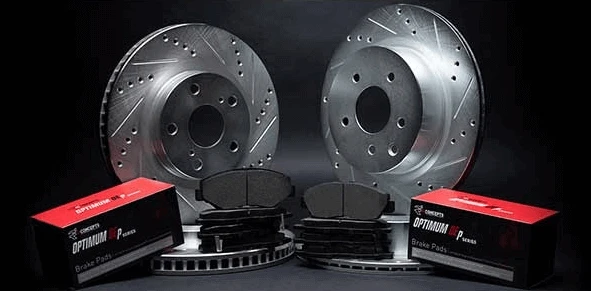
Routine brake inspections can reveal developing wear before one damaged component creates problems elsewhere in your braking system. Pay attention to pad condition, rotor condition, grooves, unusual noises, or vibrations that appear while you brake. Our R1 OPTIMUM OEp Series Brake Pads provide one replacement option for many different vehicle applications. Your replacement brake pads should always match your specific vehicle requirements and intended driving conditions.
A qualified professional can inspect your brake components during other routine vehicle maintenance when additional evaluation is needed. Addressing worn pads or damaged hardware early can help prevent one brake problem from affecting nearby components. Your brake fluid also deserves regular attention throughout the normal maintenance schedule for your braking system. Check its level and condition regularly because low or contaminated fluid can affect your vehicle’s braking operation.
Use Engine Braking on Downhill Drives
Long downhill stretches can keep your brakes working continuously when you rely heavily on the brake pedal. That repeated friction creates additional heat at your brake pads and rotors throughout an extended descent. Engine braking can reduce how much work your service brakes handle during sustained downhill driving conditions.
Using an appropriate lower gear lets your engine help control speed while reducing continuous brake pedal application.
Your accelerator inputs also influence how often your brakes must work during steep or extended downhill driving. Managing speed before momentum builds can reduce how frequently you need harder brake applications during the descent.
Common Brake Maintenance Mistakes to Avoid
Some brake problems become more complicated because drivers ignore early warning signs that need closer attention. Other problems can develop from mismatched components or overlooked maintenance practices during normal brake system care.
- Ignoring brake fluid: Check your fluid level and condition instead of waiting until braking problems become noticeable.
- Delaying worn pad replacement: Severely worn pads can contribute to damage elsewhere throughout your vehicle’s braking system.
- Skipping rotor inspections: Check your rotors for cracking, uneven deposits, grooves, or other visible signs of trouble.
- Using incorrect brake pads: Choose pads specified for your vehicle requirements and the driving conditions you regularly face.
- Skipping brake bedding: Follow the recommended bedding procedure after fitting new pads to support consistent friction performance.
You should not automatically blame a pulsing brake pedal on a rotor that appears to be warped. Uneven pad deposits or contamination between your rotor and hub can also contribute to noticeable pedal pulsation.
Additional Tips for Brake Longevity
Several habits that reduce brake wear work best when you use them together during everyday driving. Smoother driving, lighter loads, inspections, and suitable components can reduce avoidable stress across your braking system.
- Use engine braking during suitable downhill driving to reduce continuous brake application and repeated heat buildup.
- Maintain a safe following distance so you have more room to slow without sudden braking.
- Remove unnecessary cargo whenever you do not need it for your current trip or driving purpose.
- Check your brake fluid level and condition regularly as part of your ongoing vehicle maintenance routine.
- Choose our brake pads and rotors that match your vehicle requirements and regular driving conditions.
Brake life depends heavily on where and how you regularly drive your vehicle throughout each week. City traffic, towing, off-road use, and long downhill routes each create different braking system demands.
R1 Concepts for Brake Maintenance
We offer brake pad and rotor options suited to different driving conditions and ongoing maintenance needs. Choosing our components for your vehicle can support smoother braking while helping you manage avoidable wear over time. You can explore our brake pads, brake rotors, and brake kits based on your vehicle and driving needs.
Shop R1 Concepts brake pads, brake rotors and brake kits.
