



Symptoms of a Bad Proportioning Valve
You rely on your proportioning valve to balance hydraulic pressure between your vehicle’s front and rear brakes. A failing valve can cause rear wheel lockup, uneven braking, longer stopping distances, or excessive front-end dive. Recognizing these warning signs helps you avoid replacing unrelated brake parts while leaving the actual problem unresolved.
Because several brake faults feel similar, you should have the complete braking system diagnosed before replacing components.
- Rear wheels may lock during heavy braking because excessive hydraulic pressure reaches the rear braking components.
- Your vehicle may pull toward one side because braking force becomes uneven across the braking system.
- Excessive front-end dive can indicate rear braking pressure has dropped, forcing greater reliance upon front brakes.
- Longer stopping distances can develop because your front and rear brakes are no longer sharing braking work properly.
- Similar symptoms can result from worn brake pads, contaminated components, trapped air, or damaged hydraulic parts.
Rear Wheel Lockup and Uneven Braking
Rear wheel lockup during heavy braking is one of the clearest symptoms associated with proportioning valve trouble. You may notice the rear tires skid suddenly during emergency braking, especially on wet or slippery pavement. Your proportioning valve normally limits rear brake pressure as vehicle weight transfers forward during hard deceleration. If pressure becomes excessive, your rear wheels can lock before the front brakes reach their available traction.
That situation becomes especially dangerous because rear wheel lockup can make your vehicle rotate or skid sideways. Pickup trucks with lightly loaded rear ends can be particularly sensitive to excessive rear braking pressure during deceleration.
A severely obstructed or malfunctioning valve can sometimes contribute to rear brakes remaining engaged unexpectedly during normal driving. Any unexplained brake lockup requires prompt diagnosis because several hydraulic and mechanical faults can produce similar behavior. Uneven braking performance provides another warning that pressure distribution throughout your braking system may no longer remain balanced. You might feel your vehicle drift or pull toward one direction whenever you press the brake pedal.
Your stopping distance may also increase because individual brakes are contributing different amounts of braking force. Premature rear brake wear compared with front brake wear can provide another clue during a complete brake inspection. Contamination elsewhere within the braking system can create similar symptoms, so valve replacement should follow proper diagnosis.
Worn pads, damaged hydraulic parts, restricted hoses, or air within brake lines can also affect braking balance.
Front-End Dive and Brake Pressure Problems
You normally experience some forward weight transfer whenever braking slows your vehicle, particularly during harder stops. Excessive front-end dive can indicate your front brakes are performing more braking work than they normally should. A malfunctioning proportioning valve may restrict rear brake pressure enough that your front brakes carry excessive stopping responsibility.
That imbalance can change vehicle handling while increasing braking demands placed upon your front pads, rotors, and calipers. You should not assume front-end dive automatically proves your proportioning valve has failed, because suspension problems may contribute. A qualified diagnosis should compare brake operation with other possible causes before any replacement parts are selected.
Your front brakes dragging also does not automatically indicate a defective proportioning valve within your hydraulic system. Common possibilities include restricted brake hoses, caliper problems, master cylinder faults, or incorrectly adjusted related braking components.
Checking those possibilities matters because replacing a working proportioning valve will not correct another component causing resistance. Diagnosis should identify where unwanted hydraulic pressure or mechanical binding originates before replacement decisions are made.
Proportioning Valve Failure and Loss of Control
Ignoring proportioning valve symptoms can allow an existing braking imbalance to become more unpredictable during demanding driving situations. You could experience rear wheel lockup, extended stopping distances, uneven braking, or greater difficulty controlling your vehicle. A faulty valve can disturb fluid pressure distribution throughout your braking system during both ordinary and emergency stops. Severe braking imbalance increases your chance of skidding, especially during hard deceleration or braking through changing road conditions.
Complete brake system failure has multiple possible causes, and a proportioning valve problem should never be diagnosed alone. However, any hydraulic component affecting pressure distribution deserves immediate attention because braking behavior can change without much warning.
You can lose control when rear brakes lock before the front tires have reached their braking capability. Once the rear tires begin sliding, your vehicle can become difficult to stabilize through steering input alone. Erratic braking also threatens nearby drivers because your vehicle may require unexpected distance or direction during stopping.
You should stop treating the issue as routine maintenance once braking becomes unpredictable, uneven, or difficult to control. A missing proportioning function can create excessive rear brake pressure during rapid deceleration on certain vehicle braking systems. Without proper pressure management, rear brakes may lock prematurely as weight transfers toward your vehicle’s front axle.
Diagnosing and Replacing a Bad Proportioning Valve
A proportioning valve should receive prompt professional attention whenever your symptoms suggest unsafe or unpredictable brake pressure distribution. These valves generally are designed for replacement after failure rather than dependable internal repair or temporary correction.
Applying sealers or improvised fixes to a leaking proportioning valve can create unreliable results within your braking system. Machining related brake components also removes material, leaving them thinner and closer to their specified minimum thickness. We recommend replacing worn brake rotors instead of machining them whenever rotor condition requires replacement during brake service. Your braking system should be evaluated as a complete system because several components can imitate proportioning valve symptoms.
A qualified professional can compare hydraulic behavior, brake wear patterns, warning indicators, and individual component condition during diagnosis. Replacement involves opening portions of the hydraulic braking system, fitting compatible components, and restoring proper hydraulic operation afterward. That work requires someone equipped for brake system service and familiar with procedures specified for your particular vehicle.
You should use a proportioning valve designed for your exact vehicle application, production configuration, and braking system design. Compatibility also matters where the valve interacts with a brake warning switch or other hydraulic system functions. Correct vehicle identification remains important before purchasing any replacement brake component.
There is no dependable temporary fix you should use as a substitute for replacing a failed proportioning valve. Because pressure balance directly affects vehicle control, temporary workarounds can leave unpredictable braking behavior unresolved during driving.
Testing a Proportioning Valve and Common Questions
You may wonder whether a stuck proportioning valve can simply be freed rather than replaced after malfunctioning. Because internal valve problems affect hydraulic pressure distribution, you should avoid improvised procedures intended as permanent repairs. Some older procedures describe recentering warning valve mechanisms during brake system diagnosis or hydraulic service after pressure imbalance.
That process differs from repairing a damaged proportioning valve, which generally requires replacement when confirmed faulty.
You may also question whether proportioning valve failure causes your front brakes to drag during ordinary driving conditions. A proportioning valve is usually not the primary cause of persistent front brake drag within your braking system. Restricted flexible hoses, corroded caliper components, master cylinder problems, and related hydraulic faults may create similar symptoms. Your technician should identify the actual source before replacing components because several faults can produce identical braking complaints.
Vehicles designed with proportioning control depend on that function to prevent excessive rear braking pressure during rapid deceleration. Without correct pressure regulation, your rear wheels may lock earlier as forward weight transfer reduces available rear traction.
Testing an aftermarket adjustable proportioning valve involves evaluating braking balance while progressively changing its pressure setting under controlled conditions. The intended result prevents your rear wheels from locking before the front wheels during abrupt braking situations. Such testing should occur only where controlled stopping can be performed safely by someone experienced with braking systems.
You should never use public traffic conditions as a test environment for diagnosing uncertain brake pressure distribution problems.
Your proportioning valve matters because it regulates hydraulic pressure so your front and rear brakes contribute appropriately. Correct pressure balance helps your vehicle remain predictable while reducing premature rear lockup during demanding braking situations.
R1 Concepts Brake Parts for Related Brake System Service
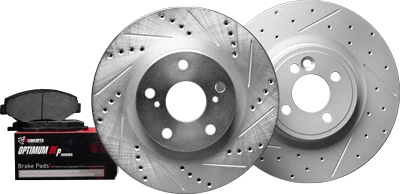
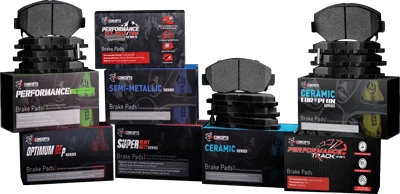
Once diagnosis identifies worn pads or rotors alongside proportioning valve problems, you can inspect suitable R1 Concepts replacements. We offer brake pads and rotors for different driving needs, including street, performance, towing, and track applications. Our brake pad families include R1 OPTIMUM OEp Series, R1 CERAMIC European Series, and R1 PERFORMANCE Sport Series.
We also carry R1 eLINE and R1 GEO-Carbon brake rotors for vehicle-specific brake system replacement needs.
Shop R1 Concepts brake pads, brake rotors and brake kits.