



You’re backing out of the driveway and hear it. That high-pitched squeal from somewhere near your wheels. Maybe it happens every morning, or only when you’re coming to a slow stop. Either way, it’s annoying, and it makes you wonder if something is actually wrong.
Brake squeal is the number one brake complaint at shops across the country, and for good reason. Your brakes are one of the most important safety systems on your vehicle. Any strange noise from that area gets your attention fast.
Here’s the good news: most of the time, squeaky brakes aren’t dangerous. A little noise is sometimes totally normal. But sometimes that squeak is trying to tell you something important, and ignoring it could lead to expensive damage or unsafe stopping.
This post covers every reason your brakes might be squeaking, how to figure out which cause applies to you, and exactly what to do about it.
What Causes Brakes to Squeak?
Brake squeal happens when your brake pads vibrate against the rotor surface at a specific frequency. Think of it like running your finger around the rim of a wine glass. The vibration produces sound. Different causes create different types of noise, from a faint morning squeak to a constant screech that turns heads in parking lots.
Here are the eight most common reasons your brakes are making noise.
1. Morning Moisture and Surface Rust
If your brakes only squeak for the first few stops in the morning and then go quiet, you can relax. This is completely normal.
Overnight, moisture from humidity, dew, or rain settles on your bare metal rotors and forms a thin layer of surface rust. The first time your brake pads clamp down on that light rust, they scrape it off. That scraping creates a brief squeak or light grinding sound.
After a few stops, the rust is gone and so is the noise. You’ll notice this more during rainy seasons or if your vehicle sits outside. It’s not a sign of any problem. Every vehicle with disc brakes does this.
2. Worn Brake Pads (Wear Indicator Tab)
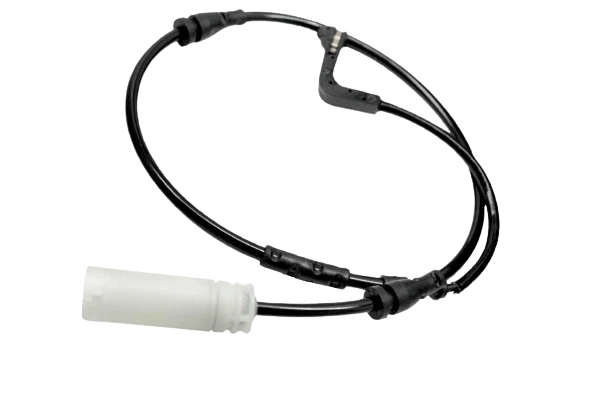
This is the squeak you should actually pay attention to. Most brake pads come with a small metal tab called a wear indicator. It’s a thin piece of spring steel attached to the pad’s backing plate, positioned so that when the friction material wears down to a certain thickness (usually around 2-3mm), the tab makes contact with the rotor.
That contact produces a persistent, high-pitched squeal. It’s intentionally annoying. The engineers designed it that way so you’d notice.
The wear indicator squeak is different from other brake noises. It’s consistent. It happens every time you apply the brakes (and sometimes when you’re not braking at all). It doesn’t go away after a few stops. If you hear a constant metallic squeal that gets louder over time, your pads are telling you they need to be replaced. Don’t ignore this one.
3. New Brake Pads That Haven’t Been Bedded Properly
Just installed new brake pads and they’re already squeaking? You’re not alone. This is one of the most common complaints after a brake job, and it almost always comes down to improper bedding (also called break-in).
Bedding is the process of transferring a thin, even layer of pad material onto the rotor surface. That transfer layer is what gives you smooth, quiet, consistent braking. Without it, the pad and rotor surfaces don’t mate properly, and the uneven contact causes vibration and noise.
Many shops skip the bedding process entirely, or the customer doesn’t know they need to do it after a DIY install. If your new brakes are squeaking, this is the first thing to check. A proper bedding procedure takes about 15 minutes and can eliminate the noise completely. (Read our complete guide to brake bedding for step-by-step instructions.)
4. Glazed Brake Pads
Glazed pads are a direct result of heat. When brake pads get too hot (from aggressive braking, riding the brakes downhill, or a stuck caliper), the friction material can crystallize and form a hard, glossy surface. That glassy layer doesn’t grip the rotor the way raw pad material does. Instead, it skips and vibrates across the rotor surface, creating a squeal.
You can sometimes spot glazing visually. Pull your wheel and look at the pad surface. If it looks shiny or glassy rather than slightly rough and matte, your pads are glazed.
Light glazing can sometimes be fixed by doing a fresh bedding procedure or lightly sanding the pad surface with medium-grit sandpaper. Heavy glazing means the pads need to be replaced.
5. Low-Quality Brake Pad Compound
Not all brake pads are created equal. Budget pads from no-name brands often use cheaper friction compounds with inconsistent material density. Those inconsistencies create uneven contact with the rotor, which leads to vibration and squeal.
Some cheap pads also skip features like chamfered edges and anti-vibration shims. Chamfers are the angled cuts on the leading and trailing edges of the pad that reduce the “reed effect” (where the pad edge vibrates against the rotor like a reed in a musical instrument). Shims are thin layers of rubber or metal bonded to the backing plate that dampen vibration before it becomes audible noise.
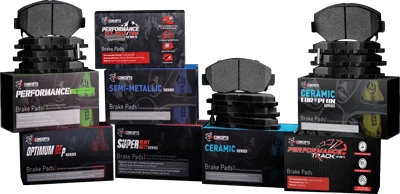
Quality pads from reputable manufacturers include these noise-reduction features as standard. R1 CERAMIC Series pads, for example, are engineered with multi-layer shims and precision-chamfered edges specifically to eliminate brake squeal during normal driving.
6. Dust or Debris Between Pad and Rotor
Road dust, sand, small pebbles, and general grime can get trapped between your brake pad and rotor. When that happens, the debris acts like a tiny abrasive caught in the contact area, creating squeaking, scraping, or grinding noises.
This is especially common if you drive on dirt roads, gravel, or in dusty conditions. The noise tends to be intermittent rather than constant, and it might change pitch or come and go depending on how the debris shifts around.
Usually, a few firm brake applications will dislodge the debris and the noise disappears on its own. If it persists, pulling the wheel and cleaning the pad and rotor surfaces with brake cleaner will solve it.
7. Worn or Warped Rotors
Your brake rotors need a smooth, flat surface to work properly. Over time, rotors wear down and develop grooves, ridges, or uneven surfaces. Those imperfections create inconsistent contact with the brake pad, and inconsistent contact means vibration and noise.
Warped rotors (technically called rotors with disc thickness variation) add another dimension. If the rotor surface isn’t perfectly parallel across its entire face, the pad rides over high and low spots with every revolution. That produces a rhythmic squeal or pulsing sound, often accompanied by a vibration you can feel in the brake pedal.
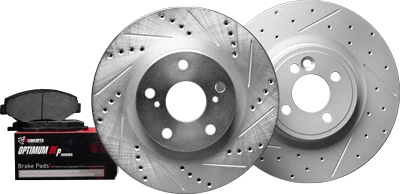
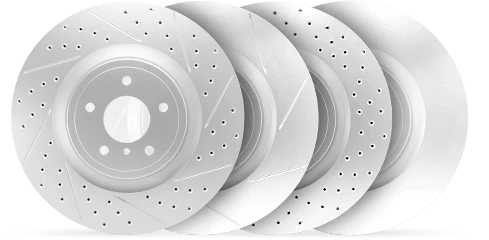
If your rotors are grooved, scored, or below minimum thickness, they need to be replaced. Minor surface imperfections can sometimes be corrected by resurfacing, but once a rotor is warped or worn past its service limit, replacement is the only fix. (Learn more about rotor types and when to replace them.)
8. Stuck Caliper or Slide Pins
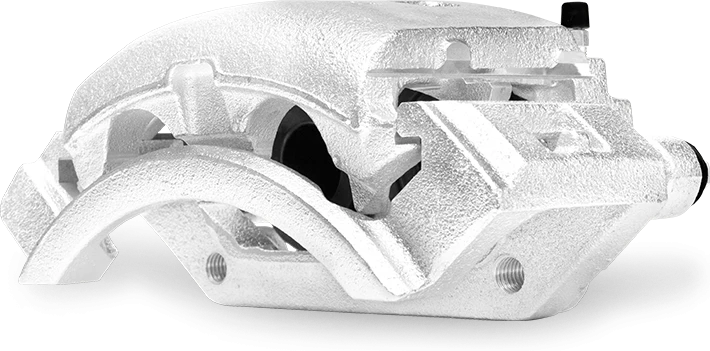
Your brake caliper is the clamp that pushes the pads against the rotor. It moves on slide pins (also called guide pins) that need to float freely. If those pins seize up from corrosion, dried-out grease, or debris, the caliper can’t release properly. That means one or both pads stay partially in contact with the rotor even when you’re not pressing the brake pedal.
Constant pad-to-rotor contact creates friction, heat, and noise. You’ll often hear a squealing or scraping sound that happens all the time, not just when braking. Other signs of a stuck caliper include the vehicle pulling to one side, a burning smell near one wheel, or one wheel being noticeably hotter than the others after driving.
Stuck calipers need to be addressed immediately. The constant friction generates extreme heat that can glaze your pads, warp your rotors, damage the caliper seals, and compromise your braking performance. At minimum, the slide pins need to be cleaned, regreased, and tested. In some cases, the caliper itself needs to be replaced.
When Squeaking Means Danger
Most brake squeaks fall into the “annoying but not dangerous” category. But there are clear warning signs that mean you need to stop driving and get your brakes inspected right away.
Grinding or metal-on-metal noise. If the squeak has turned into a deep, harsh grinding sound, your brake pads are completely worn through. The steel backing plate is now grinding directly against the rotor. This destroys your rotors rapidly and reduces your stopping power to dangerous levels. This is not a “drive it to the shop next week” situation. Get it looked at immediately.
Squeak plus brake pedal pulsation. If you hear squealing and feel a rhythmic pulsation or vibration through the brake pedal, you likely have warped rotors or significant disc thickness variation. Your braking performance is compromised, especially in emergency stopping situations.
Constant noise even when not braking. A squealing or dragging sound that never stops, regardless of whether you’re pressing the brake pedal, typically points to a stuck caliper. This generates massive heat buildup and can lead to brake failure if ignored.
Squeak combined with longer stopping distances. If your brakes squeak and you’ve noticed it takes more distance or pedal pressure to stop, something is wrong with your braking system. This could be glazed pads, a stuck caliper, air in the brake lines, or worn components. Don’t guess. Get it inspected.
How to Fix Squeaky Brakes
The fix depends entirely on the cause. Here’s a quick reference matching each problem to its solution.
Morning moisture squeal. No fix needed. This is normal and resolves itself after a few stops. Nothing to worry about.
Worn pad indicators squealing. Replace your brake pads. If your rotors are grooved or below minimum thickness, replace those too. This is a standard brake job. (See our guide on brake replacement costs to know what to expect.)
New pads squeaking (not bedded). Perform a proper bedding procedure. This involves a series of controlled stops from moderate speed to transfer pad material onto the rotor surface. Most pad manufacturers include bedding instructions, but the general process is 8-10 stops from 35 mph with moderate pedal pressure, followed by a cool-down period. (Full bedding instructions here.)
Glazed pads. For light glazing, try re-bedding or lightly sanding the pad surface with 120-grit sandpaper to break up the glassy layer. For heavy glazing, replace the pads and bed the new ones properly.
Cheap pad compound. Replace with quality pads that include proper shims and chamfers. R1 CERAMIC Series pads are specifically designed for quiet, low-dust daily driving. If you need more stopping power for a heavier vehicle, the R1 OPTIMUM OEp Series delivers strong braking with minimal noise.
Debris between pad and rotor. A few firm stops at moderate speed will usually clear loose debris. For persistent noise, pull the wheel and spray the pad and rotor surfaces with brake cleaner. Never use WD-40 or any oil-based product on brake components.
Worn or warped rotors. Replace the rotors. If they’re only lightly scored, resurfacing might work, but replacement is the better long-term solution. Always install new pads when you replace rotors, and always bed the new setup properly.
Stuck caliper or slide pins. Remove the caliper, clean and regrease the slide pins, and inspect the caliper piston and seals. If the caliper piston is seized or the seals are damaged, replace the caliper. After any caliper work, bed your brakes again.
How to Prevent Brake Squeal
You can’t prevent every brake noise (morning moisture is just physics), but you can dramatically reduce your chances of dealing with annoying brake squeal.
Buy quality brake pads. This is the single biggest factor. Pads with multi-layer shims, chamfered edges, and consistent friction compounds are engineered to be quiet. Budget pads save you money upfront but cost you in noise, dust, and shorter lifespan. Ceramic pads like the R1 CERAMIC Series are specifically formulated for quiet operation and low dust. (Compare ceramic vs semi-metallic pads to find the right type for your driving style.)
Always bed your brakes. Every time you install new pads or rotors, perform a proper bedding procedure. This step takes 15 minutes and prevents a huge percentage of brake noise complaints. Skipping it is the number one reason people have squeaky brakes after a brake job.
Replace rotors when they’re worn. Don’t try to squeeze extra life out of rotors that are grooved, warped, or at minimum thickness. Worn rotors cause noise, vibration, and uneven pad wear that leads to more noise. Fresh rotors paired with quality pads give you the quietest, smoothest braking possible.
Maintain your calipers. During every brake job, clean and regrease your caliper slide pins. Inspect the rubber boots for cracks or tears. This takes a few extra minutes and prevents the stuck-caliper problems that cause constant brake noise and accelerated wear.
Avoid riding the brakes. Sustained light braking (like holding the pedal on a long downhill) generates heat that glazes pads and warps rotors. Use engine braking or downshift on steep descents. Apply brakes firmly and then release, rather than dragging them for extended periods.
Keep your brakes clean. If you drive in dusty or sandy conditions regularly, spray your brakes with brake cleaner during routine maintenance. Removing built-up debris prevents the grinding and squeaking that comes from foreign material trapped in the friction zone.
Frequently Asked Questions
Are squeaky brakes dangerous?
Usually, no. Most brake squeaking is caused by harmless factors like morning moisture, minor debris, or pads that need bedding. However, if the squeak has turned into a grinding noise, if it never stops, or if your stopping distances have increased, those are signs of a real problem that needs immediate attention.
Will brake squeal go away on its own?
It depends on the cause. Morning moisture squeaks go away after a few stops. Debris-related noise often clears itself. But squeal from worn pads, glazed pads, warped rotors, or stuck calipers will not resolve on its own. Those causes require action.
Do ceramic pads squeal less than semi-metallic?
Yes. Ceramic brake pads are generally quieter than semi-metallic pads because the dense ceramic fiber compound naturally dampens vibration. They also produce significantly less brake dust. That’s why ceramic is the most popular choice for daily drivers who want quiet, clean braking. Semi-metallic pads offer better heat handling for heavy vehicles and towing, but they tend to produce more noise.
Why are my new brakes squeaking after replacement?
The most common reason is that the new pads weren’t bedded properly. Bedding transfers a thin layer of friction material from the pad to the rotor, creating the smooth contact surface that prevents vibration and noise. Without that transfer layer, the pad and rotor surfaces don’t mate correctly. Perform a proper bedding procedure and the noise should disappear.
Can I spray something on my brakes to stop the squeaking?
There are brake-specific anti-squeal sprays and compounds that can be applied to the back of the brake pad backing plate. These products dampen vibration between the pad and caliper piston. They can help with minor squeal issues but won’t fix problems caused by worn pads, warped rotors, or stuck calipers. Never spray anything on the friction surface of your pads or rotors.
How much does it cost to fix squeaky brakes?
The cost varies widely depending on the cause. If it’s just a bedding issue, it costs nothing but 15 minutes of your time. Replacing brake pads typically runs $100-$250 per axle for parts and labor. A full brake job with new pads and rotors runs $250-$500 per axle at most shops. Caliper replacement adds $100-$300 per caliper. You can save significantly by doing the work yourself and choosing quality aftermarket parts.
Should I replace rotors every time I replace brake pads?
Not necessarily, but you should always inspect them. If your rotors are smooth, within spec thickness, and show no signs of warping, you can install new pads on existing rotors. But if you see grooves, scoring, or uneven wear, or if the rotors are near minimum thickness, replace them. Running new pads on damaged rotors is a recipe for noise, vibration, and shortened pad life.
Tired of squeaky brakes? R1 Concepts ceramic brake pads are engineered for quiet, low-dust performance with multi-layer shims and precision-chamfered edges. Pair them with R1 Geomet-coated rotors for the smoothest, quietest braking setup on the market.
Shop R1 Concepts Brake Pads | Shop R1 Concepts Brake Rotors | Shop Complete Brake Kits