


Are you looking to replace or upgrade the brake rotors on your 2018 Subaru Forester? This guide covers everything you need to know—from choosing the right brake rotor type to identifying signs of wear and even installation tips.
Key Takeaways
- Brake rotors convert kinetic energy into thermal energy and play a crucial role in vehicle performance and safety.
- Signs that you may need new rotors include brake pedal pulsation, unusual noises, and increased stopping distances.
- Various rotor types—including carbon, zinc-coated, drilled & slotted, and blank—are available to suit different driving conditions and performance expectations.
Understanding Brake Rotors
Brake discs, also known as brake rotors, are essential components of your vehicle’s braking system. Paired with brake pads, they use friction to convert your vehicle’s motion into heat, allowing it to stop safely.
When you press the brake pedal, the pads clamp down on the rotors, creating resistance that slows the wheels. The heat generated in this process must be dispersed effectively to maintain brake performance, especially during aggressive or repeated braking.
Regularly inspecting your Forester’s rotors is vital, as rotor condition directly impacts traction, handling, and safety. Common signs of wear include:
- Cracks
- Bluish discoloration (heat staining)
- Deep grooves or ridges
Brake rotor styles vary by use case:
- Blank rotors – Ideal for daily driving
- Drilled rotors – Help dissipate moisture and heat in wet climates
- Slotted rotors – Improve performance under high speeds and heavy braking
- Drilled & slotted – Combine benefits for mixed driving conditions
Knowing which type suits your needs helps ensure your 2018 Subaru Forester performs reliably and safely.
Signs Your 2018 Subaru Forester Needs New Brake Rotors
To maintain safe braking performance, it’s essential to recognize the signs that your rotors may need replacing:
1. Brake Pedal or Steering Wheel Pulsation
If you feel a vibration or pulsation when braking, it may indicate warped or uneven rotors, affecting proper engagement with the brake pads.
2. Unusual Noises
Squeaking, grinding, or clattering sounds may suggest your rotors are worn, cracked, or excessively grooved. These symptoms warrant immediate attention.
3. Longer Stopping Distances
If your vehicle requires more time or space to stop, it may be due to reduced friction between the brake pads and rotor surfaces.
4. Vibrations During Braking
Vibrations felt through the vehicle body or brake pedal often result from rotor surface imbalance, leading to premature wear on both the rotors and brake pads.
5. Visual Signs of Wear
Look for surface damage, heat spots, or excessive rust. These indicate that rotor replacement is likely needed.
Regular brake system checks will help maintain safe operation. If you notice any of these signs, consult a certified technician. Prompt replacement of worn or damaged rotors ensures optimal braking and reduces the risk of further system damage.
Types of Brake Rotors for the 2018 Subaru Forester
Choosing the right brake rotors for your 2018 Subaru Forester depends on your driving habits, environmental conditions, and specific performance needs. Each rotor type offers unique advantages that can enhance braking performance, safety, and durability.
The most common rotor options include:
- Carbon brake rotors – Ideal for high-performance or off-road driving due to their excellent heat resistance and stopping power.
- Zinc-coated brake rotors – Provide superior corrosion resistance, reduced brake dust, and quieter operation—perfect for harsh weather conditions.
- Drilled & slotted rotors – Designed to dissipate heat and remove debris, offering improved performance in wet conditions or during heavy braking.
- Blank (standard) rotors – A practical, cost-effective choice for everyday driving, delivering smooth and consistent braking.
Understanding the advantages of each rotor type will help you choose the best option to ensure reliable performance and safety for your Subaru Forester.
Carbon Brake Rotors
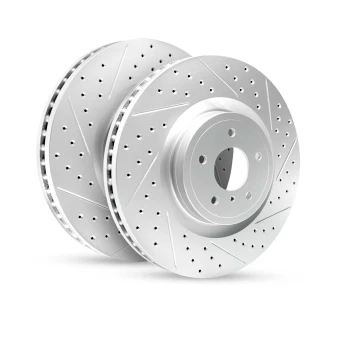
Brake rotors crafted from carbon materials are renowned for their exceptional quality and durability, making them a versatile solution for a wide range of driving conditions. Their ability to generate increased friction results in enhanced stopping power and quicker response times—offering drivers greater control and confidence during emergency braking situations.
For off-road enthusiasts, carbon brake rotors are an excellent match for the 2018 Subaru Forester. Their high heat tolerance and robust performance under pressure make them ideal for navigating rugged terrain and handling the demands of challenging environments while maintaining superior braking capabilities.
These rotors deliver a consistent, reliable braking experience suitable for both off-road adventures and urban commuting. By upgrading to premium carbon brake rotors, Forester owners can significantly improve the vehicle’s braking effectiveness and overall safety—making it a smart enhancement to your Subaru’s brake system.
Zinc Coated Brake Rotors
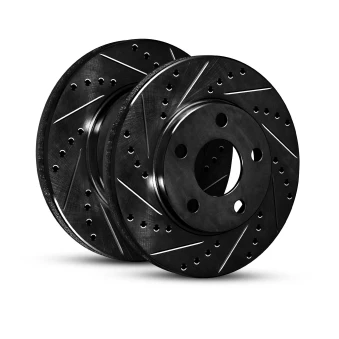
Zinc-coated brake rotors for 2018 Subaru Forester offer notable advantages, especially for drivers in areas prone to harsh weather conditions. The zinc coating acts as a protective barrier against environmental elements, significantly reducing corrosion and extending the life of your rotors.
One of the added benefits of zinc-coated rotors is their ability to dampen noise during braking, contributing to a quieter, more comfortable driving experience. For those who value a peaceful ride, this makes them an excellent upgrade for everyday driving in your Subaru Forester.
These rotors are initially finished with a full silver zinc coating, covering the entire surface. While some of the coating naturally wears off at the contact points during braking, critical areas such as the hub and inner vanes remain protected over time—ensuring long-term resistance to rust where it matters most.
In summary, upgrading your 2018 Subaru Forester with zinc-coated brake rotors enhances longevity, reduces brake noise, and helps maintain cleaner wheels. This contributes to both efficient braking performance and a refined appearance, making them a smart investment for those who value performance, protection, and aesthetics.
Drilled & Slotted Brake Rotors
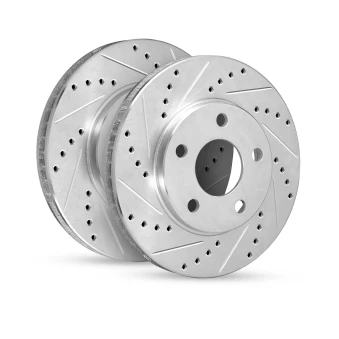
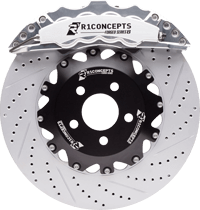
The drilled and slotted brake rotors for 2018 Subaru forester offer enhanced performance by efficiently dissipating heat and reducing brake fade under strenuous conditions. The strategically placed drilled holes allow for faster heat release, while the slots help expel water, gas, and debris, improving braking performance in wet or high-demand environments. These features make them ideal for demanding scenarios such as track racing, towing, or off-road driving.
By allowing water and contaminants to escape, these rotors increase friction and improve stopping power, even in adverse weather. Their combined drilled and slotted design also promotes more even brake pad wear, which contributes to quieter braking and a longer overall lifespan. Additionally, many of these rotors include a double-disc ground surface, enhancing smoothness and providing consistent, confident stops with every use.
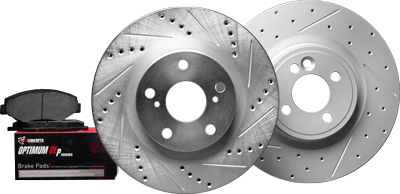
For drivers seeking premium performance, consider the R1 GEO Carbon Series Drilled & Slotted Brake Rotors—engineered for precision, they’re well-suited for both daily driving and more intense activities like track use, off-roading, or towing heavy loads. Their zinc-plated finish offers long-term corrosion resistance, helping to preserve both aesthetics and performance while keeping maintenance low.
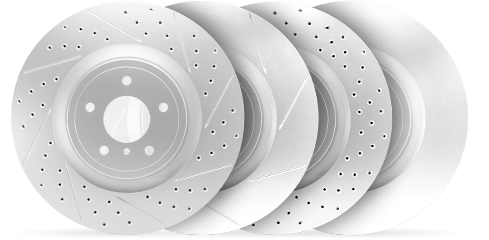
Specifically tailored for the rear wheels of the 2018 Subaru Forester, the R1 eLINE Silver Series Drilled & Slotted Brake Rotors provide elevated stopping power where it matters most. Sold as a complete set of four, they’re designed to deliver a significant boost to your vehicle’s overall braking efficiency, contributing to safer, more responsive performance across a wide range of driving conditions.
Blank Brake Rotors
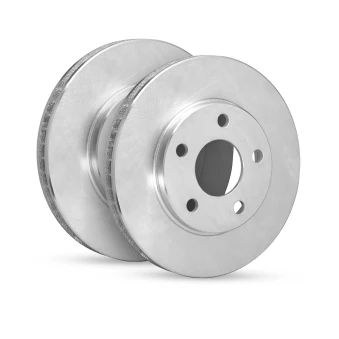
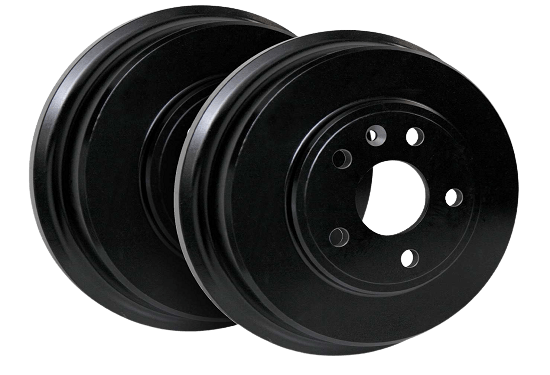
The blank brake rotors for Subaru forester are favored for their simplicity and consistent performance, making them ideal for daily driving. These rotors are well-suited for drivers who prioritize functionality and reliability over high-performance features. For those seeking a straightforward, dependable braking experience, blank rotors are a go-to solution.
With a smooth, uniform surface, blank rotors help reduce noise and vibration during braking—perfect for city and suburban driving where stops are frequent. Their uncomplicated design also makes them easier to replace and maintain, offering a cost-effective solution for routine brake system care.
For 2018 Subaru Forester owners looking for steady, no-fuss braking performance without the higher cost or complexity of performance rotors, blank rotors are an excellent fit. They play a critical role in maintaining consistent stopping power and overall safety.
Installation Guide for 2018 Subaru Forester Brake Rotors
If you’re a DIY enthusiast, replacing the brake rotors on your 2018 Subaru Forester can be a rewarding and manageable task. Begin by gathering essential tools, including:
- Safety glasses
- C-clamp
- Torque wrench
- Brake cleaner
Step-by-Step Installation:
- Lift and Stabilize the Vehicle
Use a jack and jack stands to raise and secure the vehicle. - Remove the Wheels
Take off the wheels to access the braking components. - Retract the Caliper Pistons
Use a C-clamp to compress the pistons, allowing space for the new rotors. - Clean the Area Thoroughly
Remove any rust or debris from the caliper and hub area to ensure a proper fit. - Install the New Rotors
Mount the new rotors and secure them using manufacturer-specified torque values with a torque wrench. These specs can be found in service manuals or instructional videos specific to the 2018 Forester. - Test the Brakes
After reassembly, test the braking system at low speed to ensure everything is functioning correctly. - Bed-In the New Rotors and Pads
Perform gradual stops to properly seat the new brake components, ensuring maximum performance and lifespan.
Maintenance Tips for Brake Rotors
Maintaining your brake rotors is crucial for safety and longevity. While daily driving may help remove surface rust, a thorough cleaning is sometimes necessary. You can clean rotors in place using brake cleaner or mild detergent, but for deep cleaning, removing the rotors and soaking them in white vinegar can help eliminate corrosion.
Additionally, ensure moving parts like caliper pins are lubricated regularly to promote optimal brake function.
Zinc-coated rotors offer added benefits, such as:
- Reduced brake dust
- Quieter operation
- Better protection against corrosion
Proper care and regular maintenance will keep your 2018 Subaru Forester’s brake system operating at its best.
Cost of Replacing Brake Rotors
Replacing the brake rotors on a 2018 Subaru Forester typically costs between $950 and $1,300, depending on:
- Rotor quality
- Labor costs
- Additional repair needs
While high-quality rotors may come at a higher upfront price, they often provide better performance, extended durability, and lower long-term maintenance costs.
Investing in premium brake components helps preserve your vehicle’s safety and performance, making it a wise decision for long-term ownership.
Summary
Choosing the right brake rotors for your 2018 Subaru Forester is critical for ensuring safe, dependable driving. Whether you’re replacing worn rotors or upgrading to a more suitable type, understanding rotor types, wear indicators, and proper installation methods is essential.
- Blank rotors: Ideal for daily use with quiet, consistent stopping power
- Zinc-coated rotors: Excellent for wet climates and low maintenance
- Drilled & slotted rotors: Best for high-performance needs and heat dispersion
- Carbon rotors: Perfect for off-road and demanding conditions due to their strength and friction handling
Regular inspections and timely rotor replacement are key to maintaining braking effectiveness and safety.
Frequently Asked Questions
What are the signs that my 2018 Subaru Forester needs new brake rotors?
Signs include unusual noises, vibrations in the brake pedal or steering wheel, or longer stopping distances. Address these issues promptly to ensure safe operation.
What are the benefits of zinc-coated brake rotors?
Zinc-coated rotors offer:
- Enhanced corrosion resistance
- Reduced brake dust
- Quieter operation
They’re ideal for drivers in wet or salty environments who want to extend rotor life and improve aesthetics.
How do I install new brake rotors on my 2018 Subaru Forester?
Raise the vehicle, remove the wheels, compress the brake pistons using a C-clamp, clean the caliper and hub area, install new rotors, and torque bolts to spec using a torque wrench. Finally, bed in the pads with gradual stops to ensure optimal performance.
What are the cost implications of replacing brake rotors?
Expect to pay $950–$1,300, depending on rotor quality, labor rates, and whether other parts (e.g., pads, calipers) need replacement. Investing in high-quality components can reduce maintenance costs over time.
How can I maintain my brake rotors to ensure longevity?
- Clean rotors regularly to prevent rust
- Lubricate caliper pins
- Use zinc-coated rotors to reduce dust and corrosion
These steps help ensure long-lasting, reliable brake performance.