



Understanding Brake Pad Wear and Its Implications
Your brake pads wear every time you press the brake pedal during normal driving and routine stops. Friction between the pads and rotors gradually removes material until each pad reaches its specified minimum thickness.
Once your pads wear below that threshold, braking performance can suffer and stopping distances may increase noticeably. Excessive wear may also raise your risk of braking problems during hard stops or sudden emergencies. How quickly your pads wear depends on several factors affecting heat, friction, contamination, corrosion, and fitment. Pad material and your driving conditions can also significantly change how quickly braking surfaces wear over time.
Friction and Heat in Brake Pad Wear
When you press the brake pedal, your pads contact the rotors and create friction that slows you.
Your braking system uses both abrasive and adherent friction to create consistent stopping force during everyday driving. Abrasive friction gradually wears pad and rotor surfaces, while adherent friction transfers some material onto your rotors. Heat also changes how quickly your brake pads wear under demanding driving conditions and repeated braking events.
High-speed driving, heavy loads, steep downhill sections, and demanding use can generate more heat and accelerate wear. Repeated hard braking creates similar heat, while smoother driving can reduce the temperatures your brakes must manage.
Contamination and Corrosion
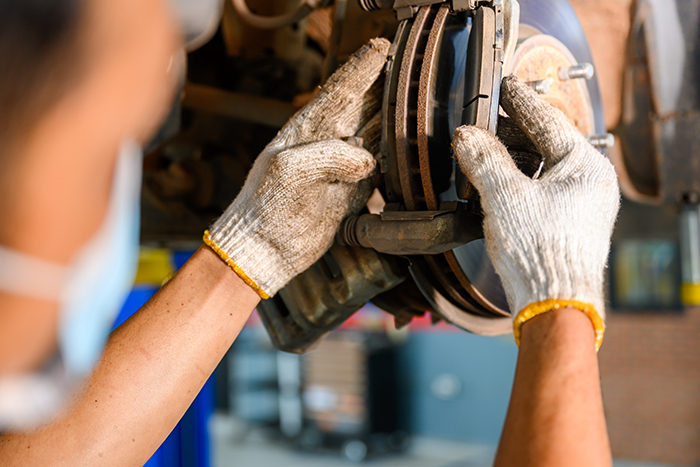
Dirt, oil, or water on your brake pads can interfere with consistent friction and predictable braking performance. Contamination may cause uneven wear, noticeable brake noise, or reduced stopping performance during normal vehicle operation.
Your brake pads and rotors contain materials such as steel and cast iron that can develop corrosion. Rain, dew, snow, humidity, and road salt can all contribute to corrosion throughout your braking system. Normal brake use often removes light surface rust that develops across your vehicle’s exposed rotor faces.
When your vehicle remains parked for extended periods, heavier corrosion may develop and become harder to remove.
Corrosion on your brake pad backing plates may lead to several noticeable symptoms requiring closer brake inspection:
- Friction material breaking apart
- More brake noise
- Shaking or vibration
- A rough feeling while braking
Keeping your vehicle in a dry area and removing road salt can help limit brake corrosion. Brake components designed to resist rust may also benefit you in consistently wet or salty driving conditions. Long periods without driving can leave your rotors with deeper corrosion commonly described as surface pitting. When pitting becomes severe enough to affect braking, your damaged rotors may eventually require professional replacement.
Brake Pad Material and Installation
Your brake pad material affects wear, noise, and how your brakes behave during different driving conditions. Different compounds suit different driving styles, so one material will not perform equally well for every vehicle.
Organic brake pads are generally quieter, but you may experience faster wear under demanding or frequent braking. Pads containing metal can last longer, though you may notice more braking noise during everyday vehicle operation. Your pad choice should reflect how you use your vehicle and the braking demands you regularly encounter.
City commuting, heavier loads, and demanding driving can place very different demands on your braking system.
Proper installation also affects how evenly your pads contact the rotors and how predictably they wear. Incorrectly fitted pads may contact your rotors unevenly, potentially causing accelerated or irregular wear during normal braking. Pads that do not match your vehicle’s braking system can reduce performance and shorten their service life. Correct fitment and regular inspection help you identify problems before they affect other braking system components.
Types of Brake Pad Wear Patterns
Even brake pad wear generally points to normal use throughout your vehicle’s regular braking and driving conditions. Uneven, angled, cracked, glazed, or separated friction material can indicate mechanical problems requiring closer professional inspection.
Common brake pad wear patterns you may encounter during inspection include several recognizable types and conditions:
- Inner pad wear
- Outer pad wear
- Tapered pad wear
- Cracked friction material
- Glazed pad surfaces
- Lifted or separating edges
Each pattern can indicate a different issue involving your caliper, pads, rotor, alignment, or braking temperatures.
Inner and Outer Pad Wear
Inner pad wear can indicate a problem with your caliper or piston affecting normal brake movement. Corroded or blocked slide pins may restrict caliper movement, leaving your inner pad pressed against the rotor. Rust or debris can also cause your caliper piston to stick and prevent proper brake release.
When the piston does not release properly, your inner pad may remain contacting the rotor and wear faster.
Misalignment can also contribute to one-sided wear across your vehicle’s brake pads and related braking components. Uneven rotor thickness or inconsistent pad pressure may also produce heavier wear along the inner braking surface.
Outer pad wear creates the opposite pattern, with your outer pad remaining against the rotor after release. Seized guide pins, worn bushings, or stuck pads can contribute to this uneven outer pad wear. These conditions should be evaluated by someone properly equipped to identify and address the underlying mechanical cause. Your brake pads are typically replaced after the source of uneven wear has been properly addressed.
Glazed, Cracked, Lifted, and Tapered Pads
Excessive heat or poor caliper release can glaze or crack the friction material on your brake pads. You may also notice chipped corners or separating edges when excessive heat or caliper problems develop. These problems are often visible during inspection and can provide useful clues about underlying braking concerns.
The wear pattern may show you that heat or caliper movement needs attention before replacement pads.
Tapered pad wear usually indicates that pressure is not being applied evenly across your brake pad surface. A caliper that cannot move freely is one possible cause behind this distinctive uneven wear pattern. A visible taper can also indicate misalignment between your caliper and brake pad during normal operation. Addressing the underlying alignment or caliper issue helps protect replacement pads from developing similar uneven wear.
Consider R1 Concepts for Brake Wear Needs
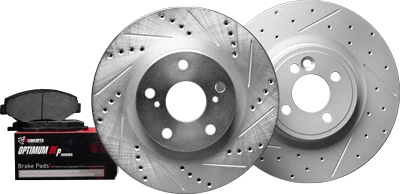
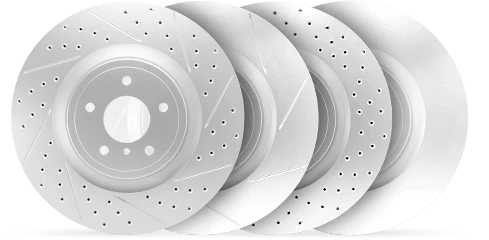
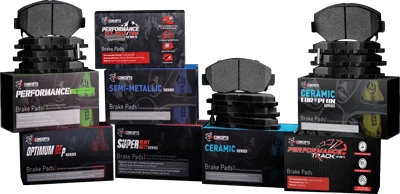
We offer brake pads and rotors suited to different driving conditions, wear concerns, and performance needs. You can match our available R1 Concepts replacement components with your driving style and specific braking demands.
Shop R1 Concepts brake pads, brake rotors, brake kits and brake calipers.