

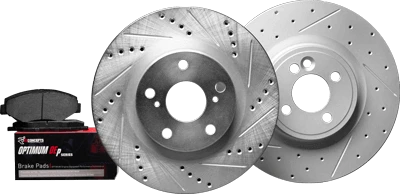
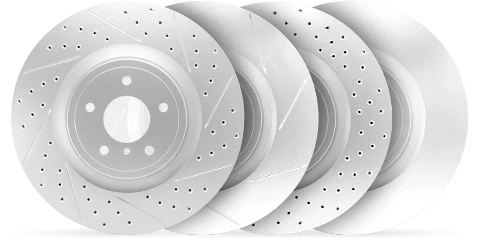
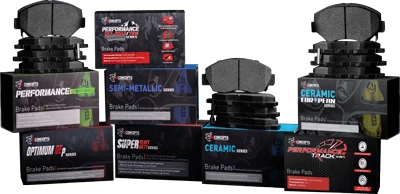



Everyday brakes should feel predictable through traffic, neighborhood streets, changing weather, and the stops you make daily. For most drivers, smooth braking, manageable dust, low noise, and reasonable service life matter more than track features. A complete brake kit from us combines matching pads and rotors designed for your specific vehicle application. You can simplify parts selection while reducing the chance of pairing components unsuited to your everyday driving needs.
Understanding Your Vehicle’s Braking Needs
Start by considering how your vehicle is built, where you drive, and how you normally use it. Vehicle weight, size, daily use, driving style, and local conditions all affect what your brakes must handle.
- Vehicle Weight and Size: Heavier vehicles generally place greater demands on braking components than smaller, lighter vehicles.
- Intended Use: Daily commuting, towing, and off-road driving each create different demands for pads and rotors.
- Driving Style: Frequent hard braking creates additional heat and can wear your friction components more quickly.
- Environmental Conditions: Heavy traffic, changing weather, and temperature extremes can influence how your brakes respond each day.
A compact commuter and light truck may share traffic, but each vehicle creates different braking demands. You should match your brake kit to your vehicle instead of choosing the most aggressive available setup.
Why the Right Brake Kit Matters for Braking Performance
Daily driving involves repeated moderate-speed stops, sometimes without enough time for your brakes to cool completely. Your brake kit should balance stopping feel, service life, manageable noise, reasonable dust, and everyday driving demands. A poorly matched combination can create more noise or dust than you prefer during regular driving. Your pads and rotors may also wear faster or feel less consistent under your normal operating conditions.
Pads and rotors should work together as a matched system designed around your specific vehicle application. You get a stronger starting point by considering complete compatibility instead of choosing parts around one feature.
Brake Kit Components and Compatibility
Most brake kits focus on two primary wear components, brake pads and rotors for your vehicle. Each component must match your braking system, intended application, and the conditions you regularly encounter while driving.
- Brake Pads: Ceramic pads often suit everyday driving because they can produce relatively low noise and dust.
- Rotors: Your rotors must match your specific vehicle application, with different designs serving different driving needs.
- Hardware: Included or required hardware must remain compatible with the brake system already fitted to your vehicle.
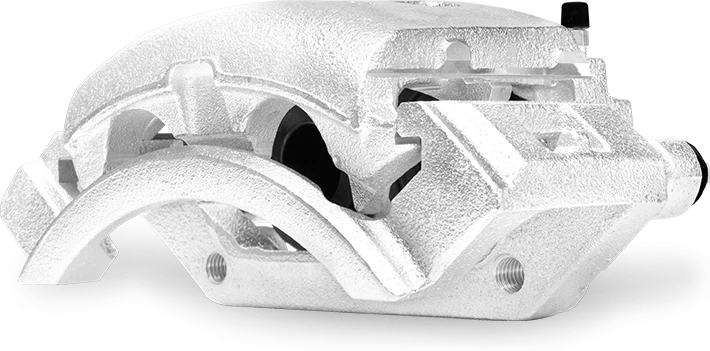
Calipers, brake lines, and related components must also remain compatible with your existing brake system. A brake kit cannot correct unrelated components that are damaged, excessively worn, or incorrect for your vehicle. Fitment should come first before you compare pad materials, rotor designs, driving conditions, and maintenance preferences. Once compatibility is confirmed, you can choose characteristics that better match how and where you normally drive.
Best R1 Concepts Brake Kits for Everyday Driving
We offer several brake combinations designed around different daily-driving priorities, vehicles, traffic conditions, and braking preferences. Your best choice depends on what you drive, your normal routes, and the braking characteristics you prefer.
Our R1 eLINE Series combines drilled and slotted rotors with brake pads for everyday street applications. Its zinc-plated rotor finish helps resist corrosion while supporting commuters facing repeated city and suburban stops. Our R1 GEO-Carbon Series Blank setup uses precision-machined blank rotors designed for consistent contact with brake pads. This configuration suits you if straightforward road performance and a simpler daily-driving rotor design fit your priorities.
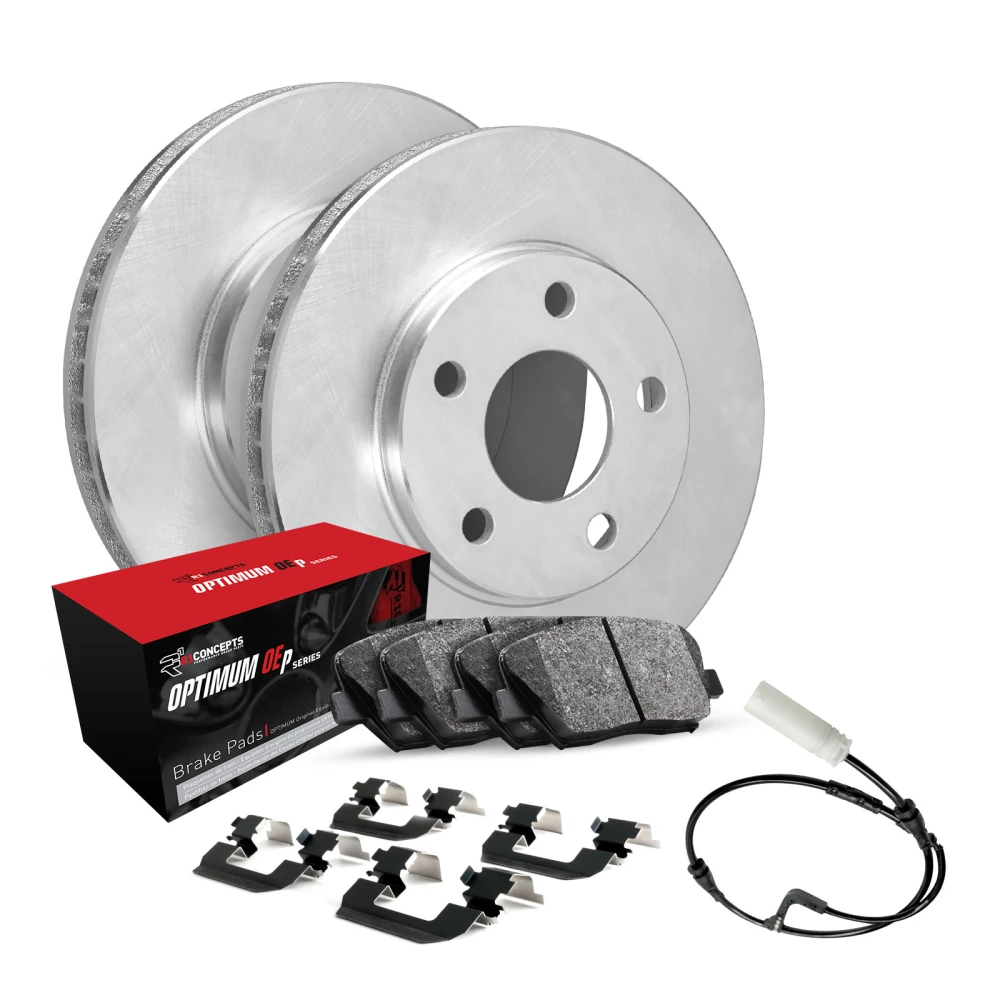
Our R1 OPTIMUM OEp Series follows an OE-style approach and pairs well with ceramic brake pad options. You may prefer this series if factory-like braking behavior, lower dust, and quieter operation guide your choice.
Your specific vehicle determines which products from our brake lineup are available for proper application and fitment. Narrow your selection by vehicle before comparing our different rotor and brake pad combinations for everyday use.
Factors Affecting Braking Performance
Your driving style changes how quickly pads and rotors wear throughout regular commuting and everyday road use. Repeated aggressive braking creates more heat, while smoother braking generally places less stress on friction surfaces. Weather and traffic conditions also affect how your brakes behave during routine trips throughout the year. High temperatures can contribute to brake fade, while wet conditions temporarily reduce friction around contacting brake surfaces.
Vehicle weight creates another variable because heavier vehicles demand more braking effort during each normal stop. Carrying cargo or towing can increase those demands further, making appropriate component selection especially relevant for you.
Pad and rotor selection also affects braking behavior under the loads and temperatures your vehicle encounters. Choose components designed for your application and the everyday driving conditions you regularly experience behind the wheel.
What to Consider When Choosing Brake Kits and Brake Pads
For city traffic, prioritize predictable braking, reasonable noise, and pad compounds designed for repeated everyday stopping. Ceramic pads often appeal to daily drivers because they can produce less noticeable brake dust and noise.
Off-road use and towing create different braking demands compared with ordinary commuting or neighborhood driving conditions. Choose brake components intended for increased loads and the more demanding operating conditions your vehicle regularly encounters. Maintenance preferences can also shape your decision between different rotor designs available for your specific vehicle. Our R1 GEO-Carbon Series Blank option may suit you if a straightforward daily-driving configuration matches your preferences.
Rotor design should follow your driving needs rather than appearance alone or assumptions about aggressive braking performance. Drilled and slotted rotors can manage gas and dust during higher-temperature driving conditions more effectively.
Common Brake Rotor Myths and Brake Care
Bigger rotors are not automatically better because your brake components must match the complete vehicle braking system. You should choose components around vehicle compatibility and intended use instead of rotor size or visual appearance. Drilled rotors are not a universal cooling upgrade because different rotor patterns address different driving conditions. Your rotor choice should reflect the vehicle application, expected temperatures, braking frequency, and normal driving environment.
Slotted or drilled rotors also do not automatically prevent the pedal pulsation drivers sometimes call warping. Pulsation is often connected with uneven pad deposits or contamination where the rotor meets the hub surface. Material or corrosion between those surfaces can prevent the rotor from sitting evenly during normal brake operation.
Brake rotors also vary by design, material, finish, and intended use across different everyday vehicle applications.
How you drive directly affects brake wear, especially during repeated stops in traffic and congested neighborhoods. Avoiding unnecessary hard braking can reduce heat and friction affecting your pads and rotors during ordinary trips. Regular inspections can identify uneven wear or changes in braking feel before problems become more noticeable. Brake replacement involves properly fitting compatible components and should be handled by someone equipped for that work.
Machining removes rotor material, leaving the rotor thinner and closer to its minimum permitted thickness afterward. We recommend replacing worn rotors instead, while choosing replacements specifically matched to your vehicle and driving needs.
Why Consider R1 Concepts for Everyday Driving?
We give you everyday brake options covering predictable street performance, manageable dust, lower noise, and different rotor designs. You can compare our matched pads and rotors around your vehicle, driving habits, and preferred maintenance approach.
Shop R1 Concepts brake pads, brake rotors and brake kits.
