



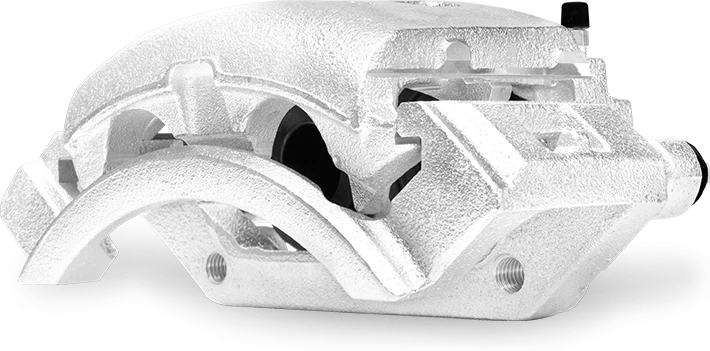

Choosing brake rotors for your 2020 Toyota Corolla starts with how you actually drive it. Daily commuting places different demands on the brakes than repeated hard stops or more aggressive driving. Rotor type matters, but fitment matters just as much for your Corolla braking setup overall. The front and rear rotors use different specifications, so you must match each position correctly.
Types of Brake Rotors for a 2020 Toyota Corolla
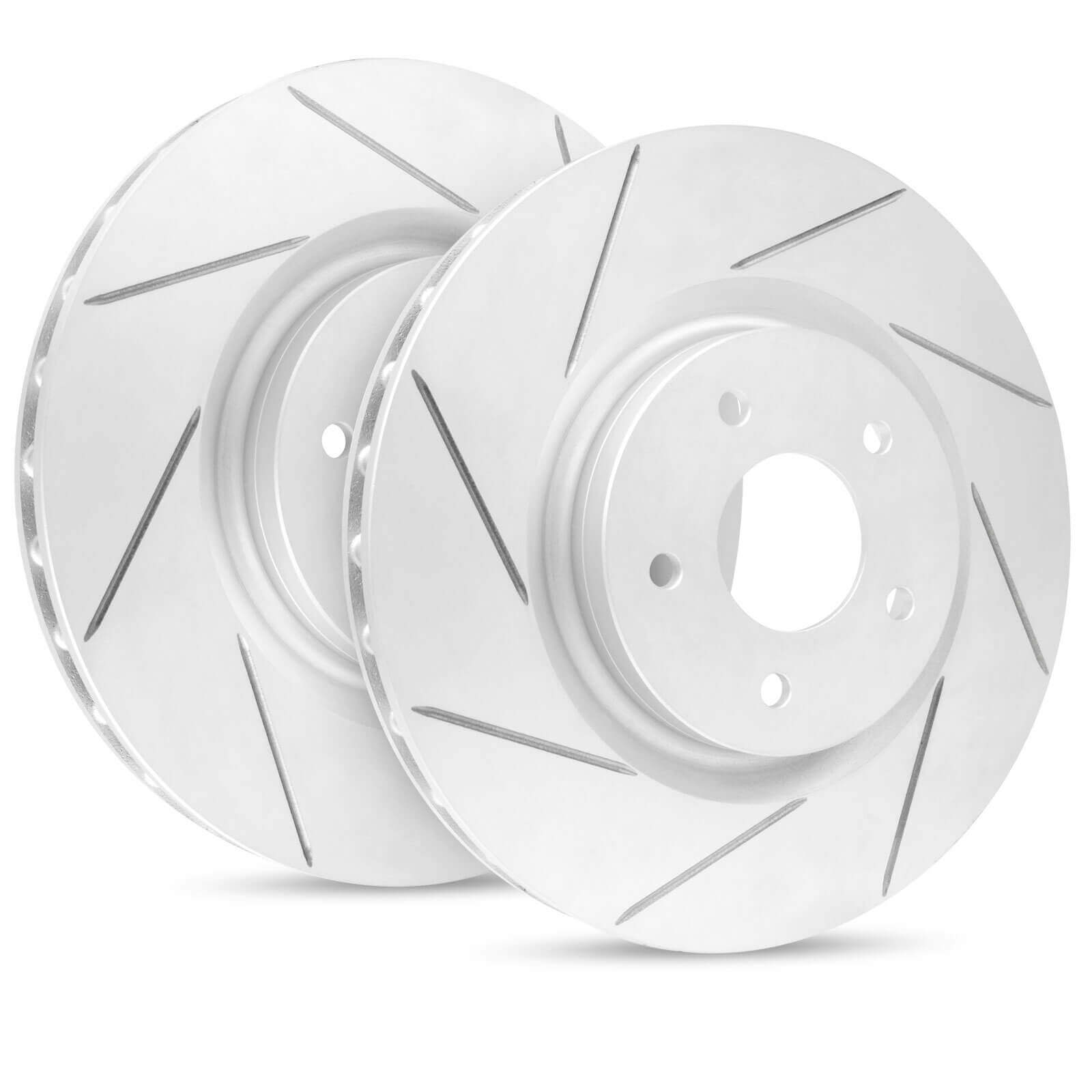
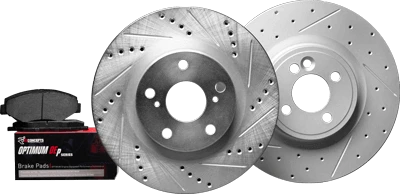
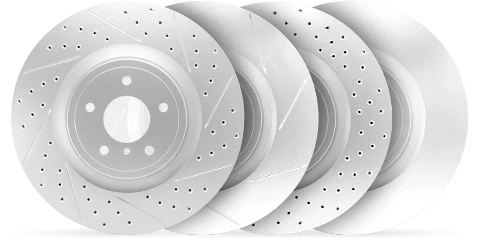
Two common choices for the 2020 Toyota Corolla are drilled and slotted rotors and blank rotors. Each design suits a different type of driving and different demands placed on your brakes.
Drivers who push the brakes harder may prefer drilled and slotted rotors for added surface features. For normal commuting and everyday road use, blank rotors provide a straightforward braking surface overall. Your choice should reflect your normal driving rather than appearance alone when selecting rotors today. Consider how often you make hard stops, encounter wet roads, or drive in heavier traffic.
Drilled and Slotted Rotors for Aggressive Driving

Drilled and slotted rotors are intended for drivers who regularly place greater heat and stress into braking. Their surface design can manage gases, dust, and water around the brake pad contact area. During harder braking, slots give debris and gases a path away from the brake pad surface. That function becomes more useful as brake temperatures rise during repeated hard stops on your Corolla.
The drilled sections also expose more rotor surface to moving air during your regular driving. In wet conditions, the design can move water away from the pad and rotor contact area.
For a Corolla that sees faster or more aggressive driving, these features may be useful:
- Slots can clear gas and brake dust from the pad contact area during harder braking.
- Drilled surfaces can provide additional airflow around the rotor when you place greater demands on braking.
- The design can move water away from the pad surface when you brake in wet conditions.
- These rotors are intended for braking situations involving repeated hard stops and higher brake temperatures.
For normal street use, those benefits may matter less because brake temperatures generally remain considerably lower. Your driving habits should determine whether those added rotor features make sense for your Corolla.
Blank Rotors for Daily Driving
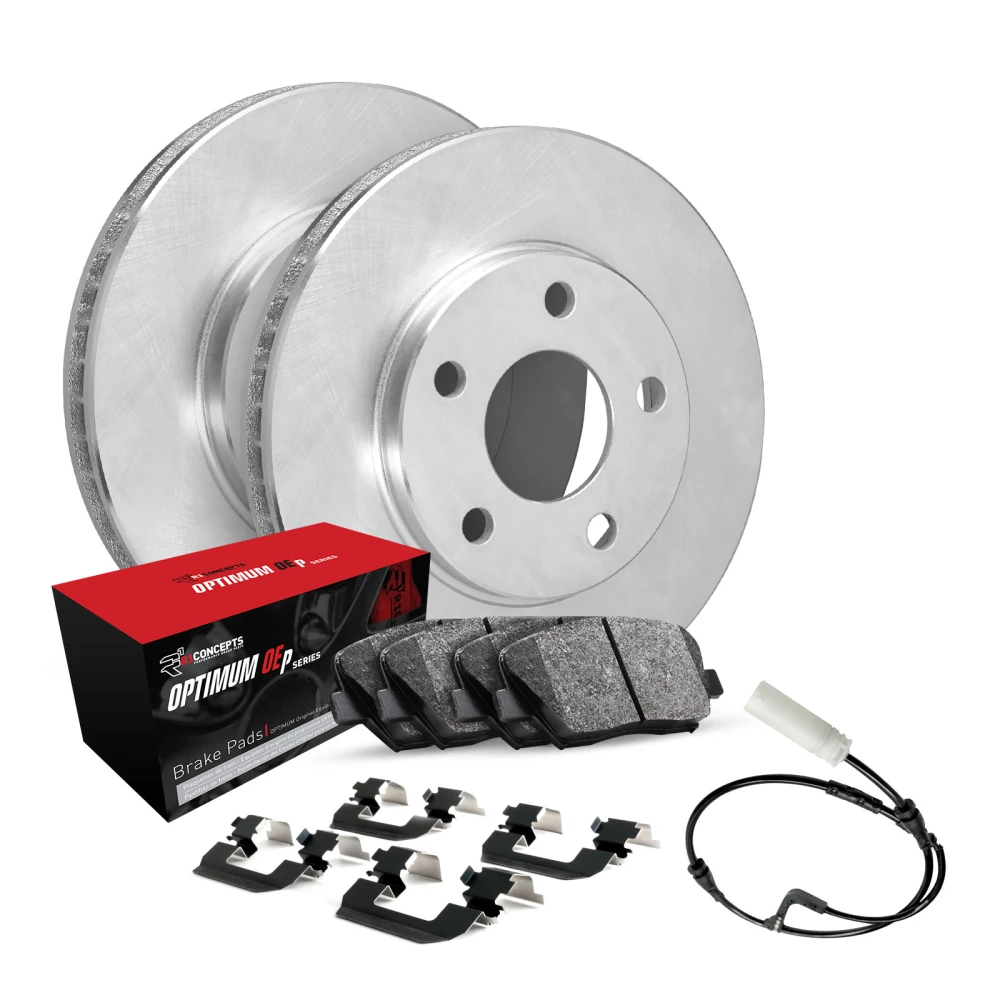
Blank rotors, sometimes called smooth rotors, use a continuous friction surface without drilled holes or slots. They work well for commuting, traffic, and normal day-to-day driving in your Toyota Corolla. Their simpler design also means there are fewer machined features across the rotor friction surface. For drivers who rarely push their brakes hard, that straightforward construction can provide a good fit.
R1 eLINE Series Blank Brake Rotors are intended for everyday use and more demanding driving conditions. The series provides a generally lower-cost replacement option for Corolla owners seeking conventional blank rotors.
R1 eLINE Series Blank Brake Rotors offer several characteristics mentioned for this application:
- You can use them for daily traffic as well as more demanding driving situations.
- They provide a generally lower-cost replacement option compared with more specialized performance rotor designs.
- Their smooth surface supports consistent contact with the brake pads throughout normal everyday braking situations.
- Double disc grinding promotes quicker and more even bedding when you install new brake pads.
- They are a common option when you want a conventional blank rotor design for everyday driving.
For most commuting, errands, and highway driving, a blank rotor keeps your braking setup relatively simple. You still need correct fitment and installation for your braking system to work as intended.
2020 Toyota Corolla Rotor Size and Fitment
Your 2020 Toyota Corolla uses different rotor specifications at the front and rear braking positions. Matching those specifications is necessary before you select any rotor style or one of our series. Your front rotors use specifications designed specifically for the front braking position on your Corolla, while your rear rotors use different specifications designed specifically for the vehicle’s rear braking position.
Front rotors have their own specified diameter and thickness requirements for proper fitment on your Corolla. You should replace them when wear approaches the minimum thickness marked for that particular rotor application. Thickness matters because your rotor must remain within its usable service range during regular vehicle operation. Once your rotor reaches its stated minimum thickness, replacement becomes appropriate rather than continued driving use.
Rear rotors also have their own specified diameter and thickness requirements for proper Corolla fitment. You should replace them when wear approaches the minimum thickness marked for that rear rotor application.
Because front and rear specifications differ, you should verify fitment for your exact Corolla configuration. A rotor that looks similar may still have different specifications or mounting details for your vehicle.
R1 Concepts Brake Rotor Options

We offer aftermarket brake rotors when you want choices beyond standard replacement rotor designs. Our available designs include blank rotors plus drilled and slotted options for different everyday driving needs. For everyday use, R1 eLINE Series Blank Brake Rotors provide the conventional smooth design discussed above. If you want drilled and slotted surfaces, we offer options built around that layout.
Your choice between those designs should come back to how you normally use your Corolla. A commuter Corolla does not face the same repeated heat as one driven more aggressively.
Customer feedback around our rotors commonly focuses on braking feel, stopping response, noise, durability, and longevity. Your experience can vary with pad choice, installation, driving conditions, maintenance, and other braking components. We also offer brake kits, letting you select compatible brake components together for your Corolla. Available configuration choices can vary depending on your specific vehicle application and selected braking components.
Compared with standard OEM-style replacement rotors, we give you more choices among available rotor designs. That variety makes matching your braking setup with your driving style considerably easier overall.
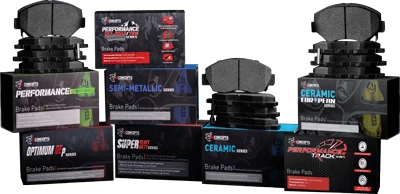
Shop R1 Concepts brake pads, brake rotors and brake kits.
Brake Rotor Maintenance and Replacement Signs
Inspect your brake rotors roughly every 10,000 miles for visible wear, damage, or braking behavior changes. That inspection interval does not mean you should machine or replace your rotors on that schedule.
Several symptoms can indicate that your Corolla’s braking system should receive a closer inspection soon. A squealing sound during braking deserves attention, although that sound can originate from several different components. A pulsing brake pedal can indicate uneven rotor thickness or pad material deposited across the rotor. A dirty hub face can also contribute when your rotor does not sit completely flat.
You may also notice vibration or shaking through your steering wheel while braking your Corolla. Rust buildup, uneven rotor contact, or other braking problems can create similar symptoms during stops.
Do not judge your rotor condition by braking symptoms alone when evaluating possible replacement needs. Check whether rotor wear approaches the minimum thickness marked for that specific rotor before continuing use. For your front brakes, replace rotors when wear approaches the minimum thickness marked for that application. For your rear brakes, use the same minimum-thickness guidance marked for that specific rotor application.
Choosing the right rotor for your 2020 Toyota Corolla comes down to fitment and driving style. Blank rotors suit most everyday use, while drilled and slotted designs support repeated higher-heat braking conditions.
Why Consider Our Rotors for Your 2020 Toyota Corolla
We give you blank, drilled, and slotted rotor choices suited to different Corolla driving conditions. You can match our rotor design to your vehicle fitment and the braking demands you regularly create.
