





Choosing between ceramic and semi-metallic brake pads mostly depends on how you drive and use your vehicle. Both materials can work well, but you experience different behavior under heat, heavy loads, cold conditions, and traffic. With ceramic pads, you get quiet operation, low dust, and long service life during everyday driving. With semi-metallic pads, you get stronger initial bite, heat management, and performance during towing or repeated braking.
Semi Metallic vs. Ceramic Brake Pads: The Summary
With ceramic brake pads, you get ceramic fibers and non-ferrous materials designed for smooth, consistent daily braking. You generally experience less noise and brake dust while maintaining predictable braking during routine street driving conditions.
With semi-metallic pads, you get metal fibers such as steel and iron within the friction material. That construction gives you stronger brake bite and better heat handling during repeated or heavy braking situations. For commuting and normal street driving, you may find ceramic pads provide the more comfortable overall experience. If you regularly tow, carry heavy loads, or brake aggressively, semi-metallic pads may better match those demands.
You face a straightforward tradeoff because semi-metallic pads generally create more noise, dust, and rotor wear overall. The price of either brake pad type depends on your vehicle and the specific application required.
Ceramic Vs. Semi-Metallic Brake Pad Performance
You notice the biggest differences between these pad types through braking feel and overall heat management characteristics. Your normal driving conditions should guide your choice more strongly than the pad material name alone.
Stopping Power
With semi-metallic brake pads, you generally get stronger brake bite than you would with ceramic pads. Their metal content suits you well when harder braking or applications generate considerably more heat repeatedly.
With ceramic brake pads, you receive smooth, predictable braking during ordinary street driving and regular commuting conditions. Their ceramic fibers provide stable friction while generally causing less wear across your vehicle’s rotor surfaces. Under high temperatures, you may find semi-metallic pads better suited for repeated hard stops and braking. That makes them useful when you tow, race, or regularly encounter other demanding driving conditions frequently.
Cold Bite
With semi-metallic pads, you can experience effective lower-temperature performance without requiring much warm-up before normal braking. In colder climates, you may notice stronger immediate braking response shortly after starting your vehicle each time.
With ceramic pads, you may notice slightly longer warm-up before reaching their normal operating braking feel. Once warmed, you can expect their braking performance to remain consistent throughout typical daily driving conditions.
Noise and Fade
With ceramic pads, you usually experience quieter braking and less vibration compared with semi-metallic brake pads. You also get less visible brake dust, helping your wheels stay cleaner between normal vehicle washes.
With semi-metallic pads, you generally experience more noise and dust during normal braking and repeated use. Their strength becomes noticeable when you need resistance to brake fade as repeated braking raises temperatures considerably. You notice that difference most when your brakes work hard continuously for extended periods during demanding driving. During normal commuting, you place considerably less heat into the system than towing or aggressive driving.
Lifespan and Wear Resistance
With ceramic brake pads, you can expect longer service life because their material resists wear effectively. You also place less wear on rotors, helping reduce how quickly your vehicle’s rotor surfaces deteriorate. With lower dust production, you get less residue collecting around your wheels and other braking components. For many daily drivers, you may appreciate that combination throughout routine commuting and ordinary street driving.
Semi-metallic pads provide durability, although you can wear them faster when you regularly drive more aggressively. Their metal content can also increase rotor wear compared with ceramic pads during similar driving conditions.
As friction material wears, you usually see more brake dust when using semi-metallic brake pads regularly. If cleaner wheels matter to you, ceramic pads generally require less frequent cleanup during normal use.
Driving Style Compatibility
Your driving style strongly affects which pad material makes the most sense for your particular vehicle. As a quiet commuter, you have different braking demands than drivers carrying cargo or descending steep roads. You may replace OE semi-metallic pads with ceramic pads when you want less dust and longer life. That change usually makes the most sense when you primarily use your vehicle for ordinary street driving.
Daily Driving on Even Terrain
For city driving, commuting, and regular trips on even roads, you may find ceramic pads especially suitable. You get smooth braking with less noise and dust than semi-metallic pads generally produce during driving. Their wear characteristics also suit you when your vehicle spends most of its time in routine traffic.
If you value quiet operation and cleaner wheels, you receive clear advantages from choosing ceramic pads.
Frequent Heavy Towing
When you tow heavy loads frequently, you place considerably more heat into your vehicle’s braking system. Semi-metallic pads suit you better because they manage heat well and maintain stronger braking under heavy loads. You may find them better suited when your vehicle regularly pulls trailers or carries substantial additional weight. You accept additional noise and dust as tradeoffs for that stronger heat-handling capability during demanding use.
Uneven Terrain Daily Drive
When you drive across uneven or demanding terrain daily, you may experience frequent changes in braking load. Semi-metallic pads suit those changing conditions because you can depend on stronger performance during repeated braking.
Their stronger bite and heat handling help you where hills or rough terrain require frequent braking. You may prefer ceramic pads when your driving remains lighter, smoother, and more predictable on ordinary streets.
Ceramic vs Semi Metallic Brake Pads: Vehicle Type Compatibility
You should match your pad material with both your vehicle type and how you normally drive. Sedans, passenger SUVs, trucks, and cargo vans each place different demands on your braking components. You can also consider organic brake pads as another option for certain vehicles and driving needs. Their non-metallic materials can provide you quiet braking performance while producing relatively low amounts of dust.
Sedans and Passenger SUVs
You may find ceramic brake pads suitable for sedans and passenger SUVs used for normal transportation. Their quiet operation, low dust, and long wear life can fit your everyday driving needs well.
Advantages of ceramic pads include:
- Quieter braking
- Less brake dust
- Longer lifespan
You may still prefer semi-metallic pads when your passenger vehicle experiences frequent hard braking conditions. Mountain driving, repeated stops, or heavier use can make heat management and stronger bite valuable for you.
Advantages of semi-metallic pads include:
- Better heat dissipation
- Stronger stopping power
- Better suitability for heavy braking conditions
Trucks and Cargo Vans
You may benefit from semi-metallic pads when your truck or cargo van carries heavy loads regularly. The material handles heat effectively and helps you resist fade during repeated braking under demanding conditions.
Advantages of semi-metallic pads for these vehicles include:
- Strong performance under heavy loads
- Better heat management
- Durability for demanding driving conditions
You can still use ceramic pads in trucks and cargo vans intended primarily for lighter-duty driving. Their main benefits give you quieter operation and lower brake dust during those less demanding conditions.
Advantages of ceramic pads in lighter-duty use include:
- Quiet operation
- Reduced brake dust
- Suitability for light-duty driving
Break-in Period
You need a proper break-in, also called bedding, with both ceramic and semi-metallic brake pads. Through bedding, you establish an even transfer layer between your brake pad and rotor surfaces. You should expect different processes because each material responds differently when heat builds during braking. Follow the procedure supplied with your brake pads whenever your specific R1 Concepts product provides one.
Ceramic Brake Pads: Break-In Period
With ceramic pads, you generally follow a shorter and less demanding bedding process than semi-metallic pads. A typical procedure has you make several moderate stops while traveling from around 30-35 mph.
You would usually make 5-10 stops while allowing cooling time between each braking event during bedding. Those cooling periods help you prevent excess heat from building within the pads and rotors prematurely. As your pads bed in, you create a thin transfer film across each rotor surface gradually. That transfer layer helps you maintain consistent friction between the pads and rotors during normal braking.
With ceramic pads, you also experience relatively little noise and dust throughout normal everyday driving. You can often complete their bedding process within a few miles while driving under ordinary conditions.
Semi-Metallic Brake Pads: Break-In Period
With semi-metallic pads, you follow a more intensive bedding process suited for heavier braking demands overall. The process typically has you perform harder stops from higher speeds than ceramic bedding requires normally.
A common procedure has you begin stops from about 40-45 mph during the initial bedding process. You usually perform roughly 8-10 aggressive stops to bed your pads properly against the rotor surfaces. With semi-metallic pads, you also complete heat cycling as part of the proper bedding process. You gradually bring the pads and rotors to higher temperatures before allowing sufficient cooling afterward.
Through that process, you work pad material into rotor surfaces and establish friction needed for harder use. Compared with ceramic pads, you may find semi-metallic bedding takes longer and generates considerably more heat.
That extra effort reflects the demanding conditions you expect these pads to handle during vehicle operation. When towing, carrying cargo, racing, or braking repeatedly, you place greater thermal demands on your pads. For everyday driving, you may prefer ceramic pads for quiet operation, low dust, and longer wear. When stronger bite and better heat management matter more, you may find semi-metallic pads more suitable.
Updated: June 12, 2024 Blog Updated By: Annjocel Gapasin
Choosing R1 Concepts Pads for Your Driving
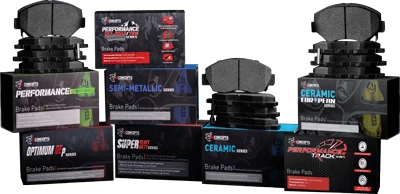
You can consider R1 Concepts ceramic pads when quiet, low-dust braking better matches your daily driving. For towing or repeated hard braking, you can consider semi-metallic options designed around stronger bite and heat management.
Shop R1 Concepts brake pads, brake rotors and brake kits.
