





Winter changes how your car responds to every brake input. Snow, ice, slush, freezing rain, and wet pavement reduce available traction and increase the distance your vehicle needs to stop. Safe winter braking starts before you touch the pedal: your speed, following distance, tires, vehicle condition, and awareness of changing road surfaces all affect how much control you have.
Why Winter Braking Requires Special Attention
Cold weather creates conditions where your tires have less grip on the road, and snow or ice can make hard braking more likely to trigger a skid. Wet pavement can increase stopping distances as well. Give yourself more room to react whenever temperatures drop or changing weather makes traction uncertain.
Your tires play a major role because the brakes can only work with the traction available. Smooth steering, acceleration, and braking inputs become especially important on slippery pavement.
Preparing for Winter Weather
Start with basic vehicle maintenance before winter conditions arrive. Check tire pressure along with your oil, coolant, brake fluid, and general vehicle condition. A professional winter maintenance check can identify problems before cold weather makes them harder to manage, so make sure your brake lights and other vehicle lights are working properly.
Keep a winter emergency kit in your vehicle in case you become stranded. Useful items include:
- Ice scraper
- Warm clothing
- Flashlight
- First aid kit
- Snacks
Check the weather forecast before leaving and plan your route around severe conditions when possible. Avoid heavy snowstorms or icy roads if you have another option.
Keep your gas tank at least half full during cold weather. That reduces the chance of fuel line freeze-up and gives you fuel to keep the vehicle running if you become stranded. Winter tires are worth considering where snow and ice are common because their added traction can give your brakes more grip to work with on slippery roads.
Understanding Winter Road Conditions
Snow, ice, slush, and freezing rain each change how your vehicle reacts. Learning to recognize those surfaces can help you adjust your speed before traction disappears. Watch for frost, black ice, or pavement with a glassy appearance. Black ice can be difficult to see, so treat suspicious sections of road cautiously.
Use smooth inputs whenever traction is limited. Sudden braking, acceleration, or steering can upset the vehicle and make a skid more likely.
When driving uphill in snow or ice, using a low gear can help limit wheelspin. Maintaining steady control is better than making sudden throttle changes. Following distance matters even more in poor weather, so leave at least 8-10 seconds when driving on icy roads to give yourself more time to respond.
Top Tips for Winter Braking
Slow down before conditions force you to. Lower speeds give you more time to recognize hazards and reduce how aggressively you need to brake.
For normal winter driving, increase your following distance to at least 6-8 seconds behind the vehicle ahead. Give yourself even more space when roads become icy. Apply the brake pedal gently and progressively instead of stabbing at it, since abrupt braking can overwhelm available tire grip and start a skid.
If your vehicle has antilock brakes, or ABS, maintain steady pressure on the brake pedal during an emergency stop. Let the ABS manage wheel lock rather than repeatedly releasing the pedal yourself.
Drivers with manual transmissions or paddle shifters can also use downshifting to help slow the vehicle. This can reduce reliance on the brakes, particularly when descending hills. If your vehicle begins to skid, avoid slamming on the brakes. Steer gently in the direction of the skid, regain traction, then brake carefully.
Preparing Your Braking System for Winter
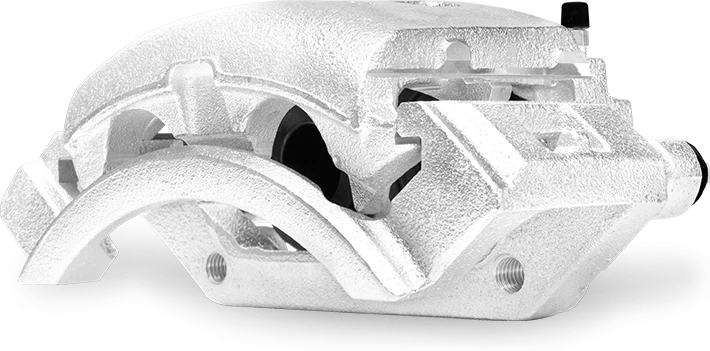
Inspect your brake system before winter weather becomes routine. Worn pads, questionable rotors, or overdue maintenance deserve attention before you depend on the system on slippery roads.
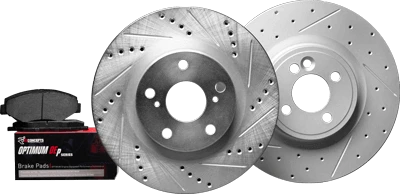
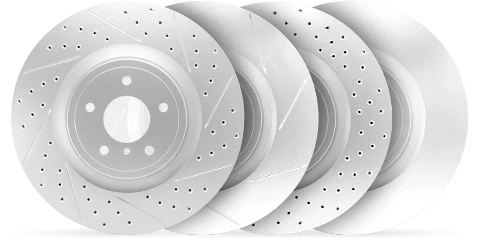
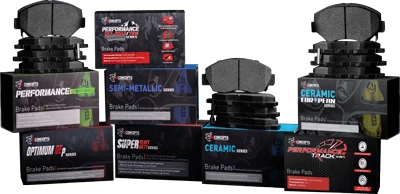
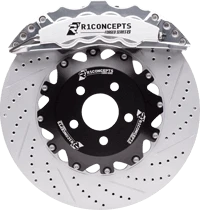
For vehicles that need added braking capability in demanding conditions, consider R1 PERFORMANCE Off-Road/Tow Series Brake Pads. Choose parts that match how and where you actually drive. Inspect the brake rotors for condition as part of the same check. R1 GEO-Carbon Series Drilled & Slotted Brake Rotors are another available option for drivers considering a rotor replacement or upgrade.
Brake fluid also deserves attention. It can absorb moisture over time, which lowers its boiling point and can affect braking under demanding conditions. Have the fluid inspected and flush or replace it when appropriate before winter. A brake system inspection can also uncover developing issues before cold weather exposes them.
Check your tire pressure and tread condition at the same time. Winter or all-weather tires with sufficient tread give your braking system more usable traction.
Inside the vehicle, make sure floor mats cannot move into the brake pedal area. Properly installed mats should never interfere with pedal movement.
Common Winter Braking Mistakes With Antilock Brakes
All-wheel drive can improve your ability to accelerate through snow, but it does not give your vehicle extra braking grip. You still need to slow down and leave enough stopping distance. Do not treat ABS as a substitute for careful driving: antilock brakes can manage wheel lock during braking, but they cannot overcome poor traction or excessive speed.
Another common mistake is assuming a road is safe because it looks clear. Black ice can be difficult to see, especially when temperatures support freezing conditions.
Check all vehicle lights as part of your winter preparation, including interior lights. Visibility and working lighting are worth confirming before weather and shorter daylight hours complicate a trip.
Stay Safe With the Right Equipment and Habits
Winter braking depends on traction, preparation, and smooth driver inputs. Slow down early, leave extra space, and avoid abrupt steering or pedal movements when the road becomes slippery. Keep your tires, brake system, fluids, and lights checked throughout the season.
Carry basic cold-weather supplies and pay attention to forecasts before longer trips.
Why Consider R1 Concepts for Winter Braking
You can consider R1 Concepts when replacing brake pads or rotors before winter conditions become routine. Our available pads and rotors give you options for matching components to your vehicle and driving conditions.
Shop R1 Concepts brake pads, brake rotors and brake kits.
