




Choosing brake pads for a 2018 GMC Sierra 1500 starts with understanding how you actually use your truck. Daily commuting, towing, hauling, and harder driving can place very different demands on your braking system. R1 Concepts offers several pad types for those needs, including OPTIMUM OEp, CERAMIC, and PERFORMANCE Off-Road/Tow Series Brake Pads. Each option provides a different balance of braking response, noise, dust production, and heat tolerance.
Brake Pad Options for the 2018 GMC Sierra 1500
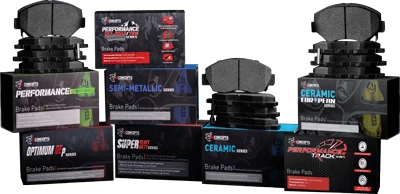
For drivers wanting factory-like braking characteristics, R1 OPTIMUM OEp Series Brake Pads provide the closest overall fit. They are intended for everyday use where predictable braking and familiar operating characteristics matter most to you.
The R1 CERAMIC Series provides another strong option for drivers who primarily use their Sierra every day. Ceramic pads emphasize low noise and low dust, making them suitable when you prefer cleaner wheels overall. Drivers who regularly tow, haul, travel off road, or brake under heavier loads may need another formulation. R1 PERFORMANCE Off-Road/Tow Series Brake Pads are intended specifically for those more demanding driving conditions and situations.
Your choice should reflect how you actually drive your Sierra during normal use throughout the year. A commuting truck creates a different braking heat load than one regularly pulling a loaded trailer.
R1 OPTIMUM OEp Series Brake Pads
R1 OPTIMUM OEp Series Brake Pads are designed around braking characteristics similar to original equipment components. They suit you when familiar pedal response matters more than choosing a particularly aggressive friction compound. For normal street driving, that balanced approach can make practical sense for your everyday braking requirements. You get pads intended for regular braking without choosing something developed primarily for towing or off-road demands.
R1 CERAMIC Series Brake Pads
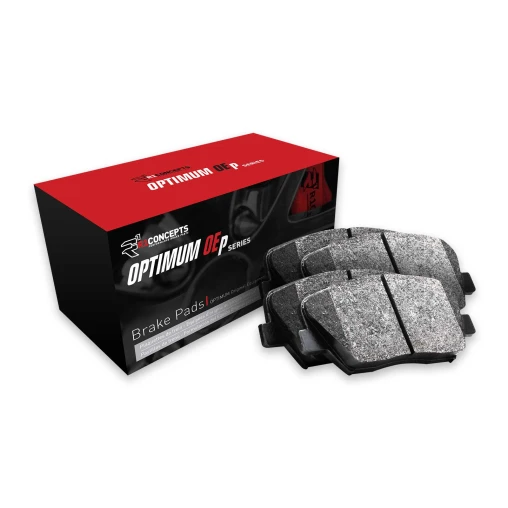

R1 CERAMIC Series Brake Pads focus on quieter operation while helping reduce brake dust during everyday driving. Those characteristics suit trucks spending most of their time commuting, running errands, or handling lighter-duty driving.
Lower dust can help you keep your wheels cleaner for longer periods between regular vehicle washes. Reduced operating noise also helps when you prioritize routine street driving instead of repeated heavy braking. The pads are designed to fit your truck without requiring modifications during the normal installation process. Their friction formulation also uses low copper content and remains completely free from asbestos materials.
R1 PERFORMANCE Off-Road/Tow Series Brake Pads
Towing and hauling generate additional heat during repeated stops, long descents, and other demanding braking situations. R1 PERFORMANCE Off-Road/Tow Series Brake Pads are intended for trucks regularly facing those heavier braking demands. Their semi-metallic friction formulation is designed to perform when your braking system reaches elevated operating temperatures.
That makes them better suited for towing, hauling, off-road driving, and other higher-load operating conditions. You may prefer this pad type when your Sierra regularly works harder than a typical commuter. The goal is consistent pedal response when your braking system handles additional weight or repeated stopping demands.
Benefits of Upgrading Your Sierra 1500 Brake Pads
Fresh brake pads can restore braking response when your existing pads have become worn through regular use. Choosing a formulation matching your driving can also make your truck easier to live with daily. For street use, ceramic pads can help reduce dust and operating noise during your normal driving. For towing or hauling, higher-friction formulations can better match the additional heat produced during heavier braking.
Pad choice can also influence how frequently you need to service different parts of the braking system. A suitable formulation is less likely to be pushed beyond the driving conditions it was designed for.
Proper bedding matters after installing new brake pads because it establishes consistent contact with the rotor surface. Bedding creates an even friction layer, giving your new pads a consistent surface for repeated braking. Avoid aggressive stops during the bedding period unless surrounding traffic conditions require immediate harder braking from you. Excessive early heat can contribute to uneven material transfer, unwanted noise, or inconsistent braking response afterward.
Maintaining the Brake System

Schedule brake inspections every 6 months or 10,000 miles to monitor wear throughout your ownership period. Regular checks can identify worn pads, low brake fluid, uneven wear, or other developing braking changes.
Pay attention to new grinding, squealing, pedal vibration, or noticeable changes in your truck’s braking response. These symptoms can indicate pad wear, contamination, uneven friction material, or another braking system concern. During inspections, look for uneven pad wear while also checking the overall condition of rotor surfaces. You should also monitor brake fluid levels regularly as part of your normal vehicle maintenance routine.
Some maintenance schedules may also recommend brake inspections every 6 months under typical operating conditions. Mileage and driving conditions can accelerate wear, especially when you regularly tow or carry heavier loads.
Brake Pad Bedding
New pads need a proper bedding process after installation before you depend on their normal braking behavior. Bedding generally uses several moderate stops from varying speeds to establish an even rotor friction layer. Avoid sudden, hard stops while your new pads are bedding unless surrounding traffic requires immediate braking.
Repeated heavy braking during this period can generate excessive heat before your friction surfaces fully settle. Once bedding is complete, your braking response should become more consistent during normal driving and stopping. A proper friction layer can also reduce your chances of experiencing noise or uneven pad deposits.
Brake Noise and Vibration
Brake noise can result from worn pads, surface debris, poor contact-point lubrication, or improper component installation. You should identify the specific cause before deciding which corrective approach makes sense for your truck.
Pedal vibration can develop when friction material transfers unevenly across portions of the brake rotor face. Dirty hub surfaces or uneven component installation can also create runout contributing to rotor thickness variation. Cleaning braking surfaces, choosing suitable pads, lubricating proper contact points, and installing components correctly can reduce problems. Persistent noise or vibration should receive attention rather than being ignored during your regular driving routine.
Frequently Asked Questions
What are the main brake pad options for a 2018 GMC Sierra 1500?
Your main brake pad choices depend primarily on how you normally use your GMC Sierra truck.
- R1 OPTIMUM OEp Series Brake Pads for original-equipment-style street braking
- R1 CERAMIC Series Brake Pads for low noise and low dust
- R1 PERFORMANCE Off-Road/Tow Series Brake Pads for towing, hauling, and heavier use
Daily driving usually requires different pad characteristics than regular towing, hauling, or demanding off-road use.
Why should I upgrade the brake pads on my 2018 GMC Sierra 1500?
Replacing worn pads restores braking performance while choosing appropriate formulations better matches your specific driving conditions. Ceramic pads favor quieter, cleaner street use, while towing-oriented pads are designed for heavier braking loads.
Your best choice depends on carried weight, towing frequency, and the driving conditions you experience regularly.
How often should I inspect the brakes?
Plan brake inspections every 6 months or 10,000 miles as part of your regular maintenance schedule. Drivers who tow, haul, or encounter demanding conditions may experience wear sooner than lighter-use drivers. Regular inspections can reveal worn pads, uneven wear, low fluid, or changing rotor surface conditions early.
What are the benefits of R1 CERAMIC Series Brake Pads?
R1 CERAMIC Series Brake Pads are designed for low noise and reduced dust during everyday driving. They are practical for Sierra owners who spend most driving time commuting or using public streets. Their low-copper, asbestos-free formulation is intended for routine passenger vehicle and light-truck driving applications. They also fit your Sierra without requiring modifications to the vehicle during the installation process.
Choosing R1 Concepts Pads for Your Sierra
R1 Concepts gives you pad choices matched to commuting, towing, hauling, and heavier-duty Sierra driving conditions. You can prioritize quieter low-dust braking or choose added heat capability when your truck works harder.
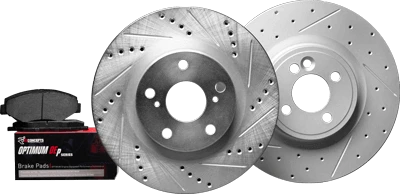
Shop R1 Concepts brake pads, brake rotors and brake kits.
