



Top-Quality 2018 Honda CR-V Brake Pads for Your Vehicle
2018 Honda CR-V Brake Pad Fitment
Choosing brake pads for your 2018 Honda CR-V starts with confirming the exact vehicle configuration first. Correct fitment helps your braking system operate consistently and prevents problems caused by incompatible replacement components later. Your Vehicle Identification Number provides one of the most dependable references when checking compatible brake pad options. Each VIN contains a unique 17-character code identifying details that help match replacement parts with your vehicle.
You should also confirm your CR-V model year, transmission, and applicable emissions configuration before ordering replacement pads. Those vehicle details can affect brake component requirements, making accurate identification an important part of selecting replacements.
Front and rear brake pads may also use different configurations, depending on your specific 2018 Honda CR-V. Always verify the axle position before purchasing parts because front and rear applications are not automatically interchangeable. Using accurate vehicle information reduces ordering mistakes and helps you choose brake pads designed for your CR-V.
Brake Pad Types for Your 2018 Honda CR-V
Your driving habits should guide which brake pad characteristics make the most sense for your Honda CR-V.
Everyday commuting, frequent highway driving, heavier braking, and demanding conditions can each create different braking priorities. You can generally consider original-equipment-style aftermarket pads, ceramic compounds, higher-friction formulations, or semi-metallic brake pad materials. Each option balances stopping response, noise, brake dust, durability, and operating characteristics differently during regular vehicle use.
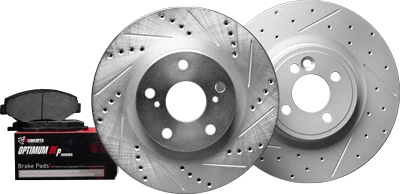
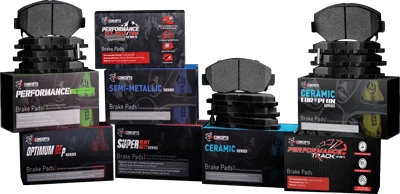
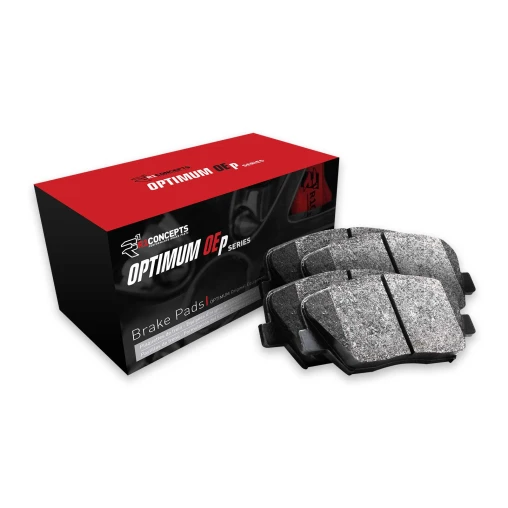
For drivers wanting original-equipment-inspired characteristics, our R1 OPTIMUM OEp Series Brake Pads provide a suitable starting point. We use Original Equipment formula materials designed to deliver friction characteristics calibrated around vehicle-specific everyday braking requirements. These pads use rotor-friendly materials intended to support consistent wear characteristics across normal daily driving conditions. Their asbestos-free construction also reflects current material standards while maintaining dependable braking behavior for routine transportation needs.
Because our R1 OPTIMUM OEp Series follows vehicle-specific applications, you should confirm compatibility before choosing your set. Proper fitment avoids unnecessary modifications and keeps your replacement components matched closely with the intended braking configuration.
Ceramic and High-Friction Brake Pad Options
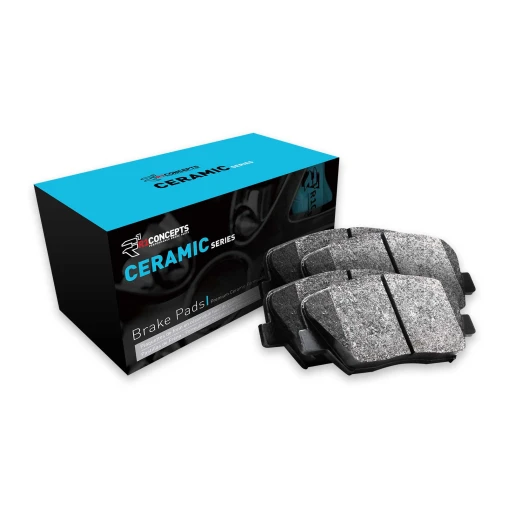
Ceramic brake pads can suit your 2018 Honda CR-V if quieter braking and reduced dust matter most. Ceramic compounds typically produce less noticeable brake dust while supporting smooth, predictable braking during ordinary daily driving. Many CR-V drivers appreciate ceramic pads because their operating characteristics work especially well for commuting and errands. Their durability can also support longer service periods, although actual pad life varies considerably with driving conditions.
Our R1 CERAMIC Series Brake Pads give you a ceramic option designed around clean, quiet street braking. You should still confirm your exact CR-V application before selecting any replacement brake pad configuration.
Higher-friction brake pad formulations focus more heavily on braking response during demanding or repeated stopping situations. They can provide stronger initial bite and consistent friction behavior when brake temperatures rise during harder driving. Our R1 PERFORMANCE Sport Series Brake Pads provide another R1 Concepts option for drivers seeking performance-focused braking characteristics.
You should choose performance-oriented pads according to your driving demands rather than assuming stronger friction always suits everyone. For normal commuting, a street-focused ceramic or original-equipment-style formulation may better match your everyday driving priorities. Drivers experiencing frequent demanding stops may prefer a performance formulation designed around increased braking response and temperature capability.
Semi-Metallic Pads, Noise, and Brake Dust
Semi-metallic brake pads remain another available material category for drivers prioritizing durability and dependable stopping force characteristics. Their composition generally supports strong friction performance across varying temperatures and repeated braking conditions during regular operation. You may notice more brake noise and visible dust from semi-metallic pads compared with many ceramic formulations. That tradeoff can be acceptable when durability and braking response matter more than quieter, cleaner wheel appearance.
Brake pad material should match how you actually use your 2018 Honda CR-V most frequently throughout ownership.
You should consider your commute, highway use, passenger loads, braking frequency, and typical driving environment before choosing. Those factors influence heat, wear, noise expectations, and the braking characteristics you will notice most often. No single brake pad material is automatically right for every CR-V driver, even within the same model year. Your preferred balance between cleanliness, quiet operation, longevity, and stronger friction response should guide your final selection.
Brake Pad Maintenance and Replacement
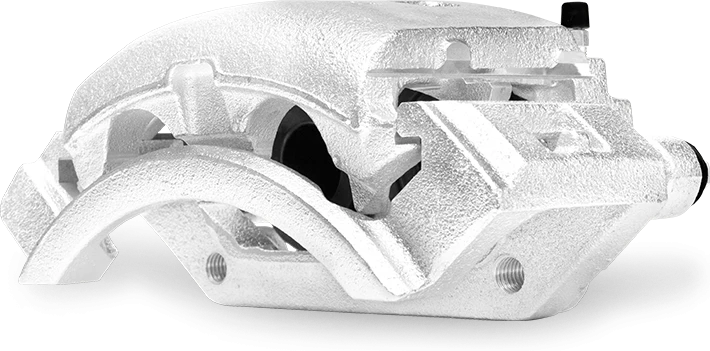
Brake pad replacement involves more than exchanging worn friction material, because surrounding brake components also require careful inspection. The work can involve calipers, brake fluid, mounting hardware, rotors, and other components affecting braking behavior. Someone properly equipped for brake service should inspect those related parts for leaks, wear, damage, or irregular operation. Diagnosis matters because uneven pad wear or unusual noise can indicate another brake system issue requiring attention.
Fresh brake hardware supplied for your application can help prevent problems involving movement, noise, or uneven brake pad wear. Reusing damaged or heavily worn hardware may compromise how replacement pads sit and operate within the braking assembly.
Brake fluid condition also deserves attention because hydraulic problems can change pedal feel and overall braking response significantly. Any brake service involving the hydraulic system should be handled by someone properly equipped to inspect it safely. You should have your braking system checked at least annually because wear sometimes develops without obvious warning symptoms. Regular inspection provides opportunities to identify worn pads, damaged rotors, fluid leaks, or abnormal wear patterns early.
Brake pad replacement intervals commonly range from 25,000 to 50,000 miles, depending heavily on your driving conditions. Frequent stop-and-go traffic, heavier loads, aggressive braking, and terrain can shorten usable brake pad service life considerably.
Rotor condition should also be evaluated whenever brake pads require replacement, especially when wear appears uneven or severe. Machining removes rotor material, leaving the rotor thinner and closer to minimum thickness, so we recommend replacement.
Brake Safety, Bedding, and Common Questions
After replacement, proper brake bedding helps establish consistent contact between new pads and compatible rotor friction surfaces. You should follow the bedding guidance provided for your specific R1 Concepts brake components and vehicle application. Bedding allows the pad and rotor surfaces to develop the intended friction relationship through controlled heating cycles. Proper break-in can reduce uneven material transfer while supporting consistent braking feel during subsequent everyday driving conditions.
You should investigate grinding, vibration, pulling, fluid leakage, unusual pedal behavior, or rapidly increasing stopping distances promptly. Those symptoms can indicate worn friction material, rotor problems, hydraulic concerns, or other braking system faults requiring diagnosis.
How often should you replace brake pads on your Honda CR-V during normal ownership and everyday driving? A 25,000 to 50,000-mile range provides general guidance, but inspection remains more useful than mileage alone. Are ceramic brake pads useful for your 2018 Honda CR-V if you prioritize quiet everyday operation? They can provide quieter braking and reduced dust while delivering predictable performance suited to normal street driving.
Are original-equipment-style aftermarket pads appropriate when you want familiar braking characteristics from your Honda CR-V? Our R1 OPTIMUM OEp Series uses Original Equipment formula materials designed around vehicle-specific friction performance requirements.
How can you confirm that replacement brake pads match your exact 2018 Honda CR-V configuration correctly? Use your 17-character VIN, confirm the model year, and verify transmission, emissions, axle, and application details carefully. Should you automatically choose higher-friction pads because they can provide stronger stopping response under demanding conditions? You should instead match friction characteristics with your regular driving style, braking demands, noise preferences, and environment.
Why R1 Concepts Fits Your 2018 Honda CR-V Brake Pad Search
We give you several brake pad series covering everyday original-equipment-style driving, ceramic preferences, and performance-focused braking needs. Our vehicle-specific applications help you narrow those choices according to your 2018 Honda CR-V configuration and priorities. We recommend comparing fitment, driving style, noise expectations, dust preferences, and braking demands before choosing your pads. That approach helps you select an R1 Concepts brake pad series suited specifically to how you drive.
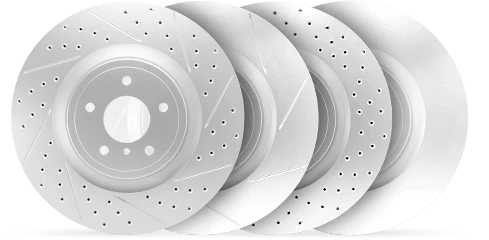
Shop R1 Concepts brake pads, brake rotors and brake kits.