

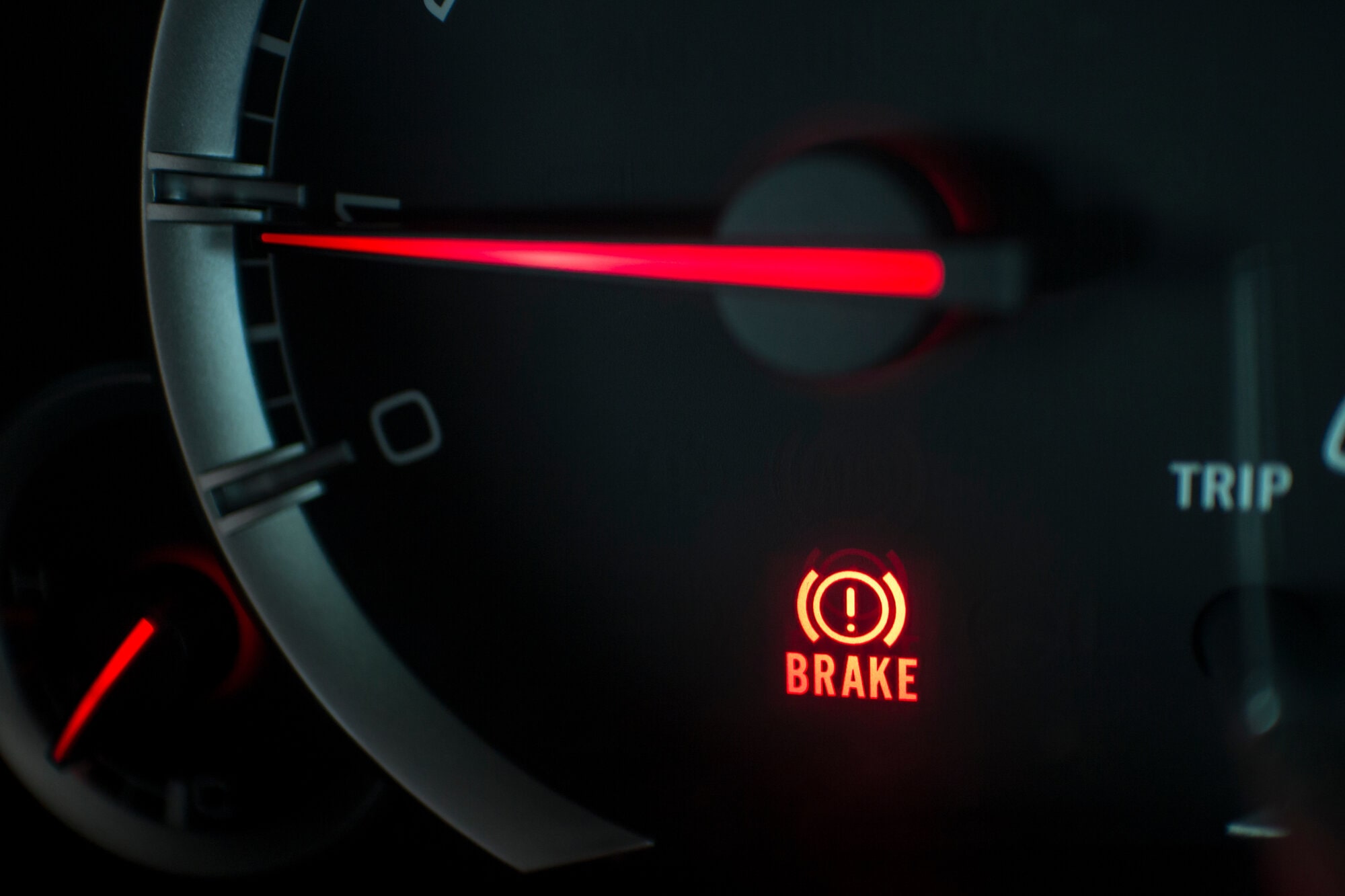
Your vehicle’s brake system is one of its most essential safety components — yet it’s often overlooked until something goes wrong. Whether you’re hearing squeaks, feeling pedal softness, or noticing vibration underfoot, these symptoms aren’t just annoying — they’re red flags.
In this guide, we’ll break down the five most common brake problems drivers face and how to fix them. Plus, we’ll recommend high-quality components from R1 Concepts that can restore performance and give you total confidence behind the wheel.
🚘 Introduction to Brake Issues
The braking system is a network of components — pads, rotors, calipers, fluid, and hoses — all working in harmony to stop your vehicle safely. But when even one element begins to fail, the result can be reduced stopping power, longer braking distances, or brake fade.
Typical warning signs include:
- Squealing or grinding noises
- Vibrations while braking
- A soft or spongy pedal
- Brakes that drag
- The vehicle pulling to one side
Ignoring these signals can lead to costly damage — or worse, unsafe driving. That’s why regular brake maintenance and early diagnosis are so important.
1. Squeaking or Squealing Brakes
What it means:
High-pitched squeals are often caused by worn brake pads, glazing, or embedded metal debris.
Fixes:
- Inspect brake pads for wear or contamination.
- Clean rotors and calipers to remove dust or particles.
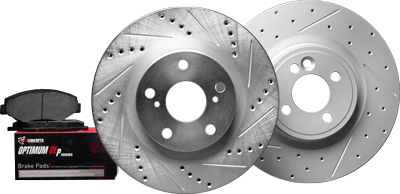
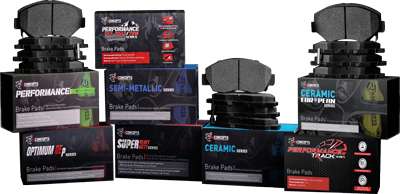
- Replace with R1 CERAMIC Series Brake Pads or R1 OPTIMUM OEp Series Brake Pads for low-dust, noise-free performance.
🔗 Shop R1 CERAMIC Series Brake Pads
🔗 Shop R1 OPTIMUM OEp Series Brake Pads
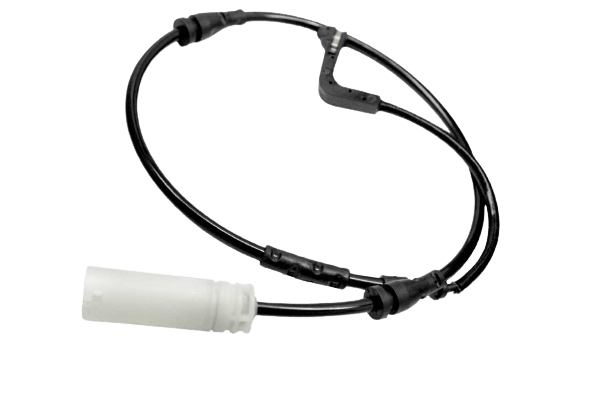
Most brake pads include wear indicators to alert you when it’s time for a replacement.
2. Vibrations or Shaking When Braking
What it means:
If your steering wheel or brake pedal vibrates while braking, you may have warped rotors or uneven brake pad deposits.
Fixes:
- Check rotors for surface irregularities or discoloration.
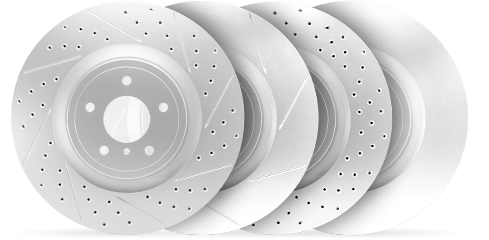
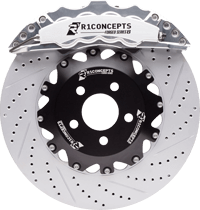
- Replace with R1 GEO-Carbon Series Drilled & Slotted Brake Rotors for optimal heat dissipation and balanced performance.
- Always install new pads with new rotors for proper bedding.
🔗 Explore R1 GEO-Carbon Series Drilled & Slotted Brake Rotors
3. Soft or Spongy Brake Pedal
What it means:
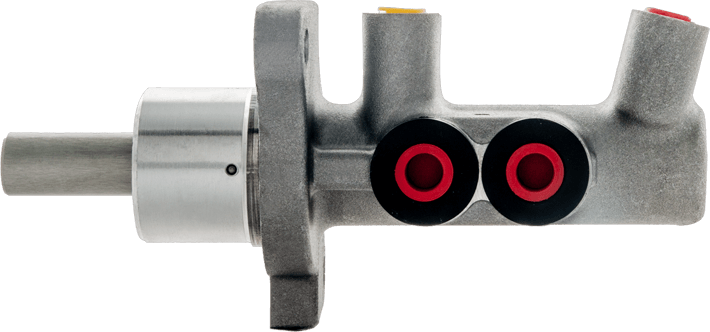
A mushy pedal feel typically indicates air in the brake lines, contaminated fluid, or a failing master cylinder.
Fixes:
- Bleed the brake lines to remove trapped air.
- Flush and replace brake fluid regularly.
- Inspect and replace the master cylinder if necessary.
🚨 A firm pedal feel is essential. If you have to press far down to engage your brakes, have your system inspected immediately.
4. Brakes That Drag or Stick
What it means:
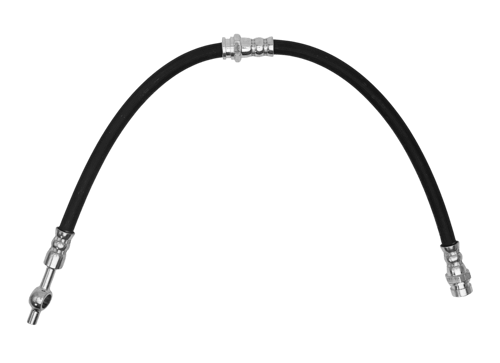
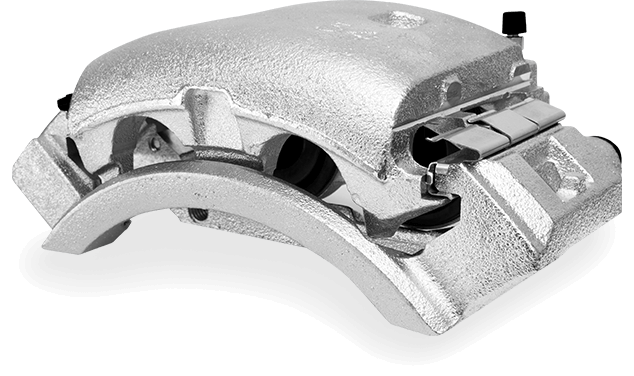
If the brakes don’t release fully, you may be dealing with a stuck caliper, rusted slide pins, or a collapsed brake hose.
Fixes:
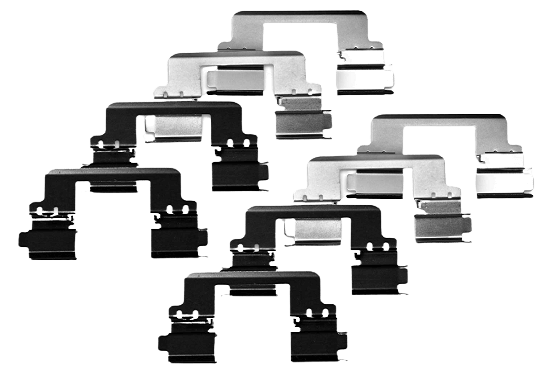
- Clean and lubricate caliper hardware.
- Replace stuck or damaged calipers, hoses, or guide pins.
- Remove any foreign debris that may be causing resistance.
⚙️ If dragging continues, check the proportioning valve or brake booster.
5. Grinding Noise When Braking
What it means:
A grinding sound usually signals that the brake pads are fully worn, and metal is contacting metal.
Fixes:
- Stop driving immediately to prevent rotor scoring.
- Replace both pads and rotors as a set.
- Choose a matched brake kit from R1 Concepts for consistent, reliable performance.
🔗 Shop Complete Brake Kits
🔍 Understanding Brake Component Wear
Brake wear is inevitable — but predictable. Key points to monitor:
- Brake Pads: Should be replaced when friction material is worn below 1/8 inch.
- Rotors: Warping or scoring requires resurfacing or replacement.
- Brake Fluid: Absorbs moisture over time; change every 2 years or as recommended.
- Brake Lines: Check for leaks, corrosion, or bulging hoses.
- Master Cylinder: Any change in brake pedal feel should trigger an inspection.
🔧 Choose matching brake components for even wear and best results.
🛠️ Pro Tips for Better Brake Health
- Inspect brakes every 12,000 miles or sooner if symptoms appear.
- Always bed new brakes properly to avoid noise and uneven performance.
- Never mix pad compounds — use complete R1 Concepts kits for balance.
- Double-check the parking brake is fully disengaged to avoid overheating.
- Replace fluid with the correct DOT rating for your vehicle.
🧪 Why Quality Brakes Matter
Brake problems don’t resolve themselves — they escalate. Timely maintenance is not just about saving money — it’s about keeping you, your passengers, and others safe.
Whether you’re navigating steep trails, towing, or just heading to work, R1 Concepts offers premium brake parts that deliver control, longevity, and confidence.