



2018 Toyota Highlander Brake Pads
Your brake pads create the friction your 2018 Toyota Highlander needs to slow and stop safely.
Choosing the right set depends on your driving, brake dust tolerance, noise preferences, and desired braking feel. You can choose ceramic, semi-metallic, organic, and OEM-style aftermarket pads for different braking characteristics and priorities. Each material offers different wear, noise, and braking characteristics, so your best choice depends on personal preferences.
For everyday driving, you may find ceramic and OEM-style aftermarket pads are two common replacement options. Both provide consistent braking while addressing different priorities around dust, comfort, service life, and overall cost.
Types of Brake Pads for the 2018 Toyota Highlander
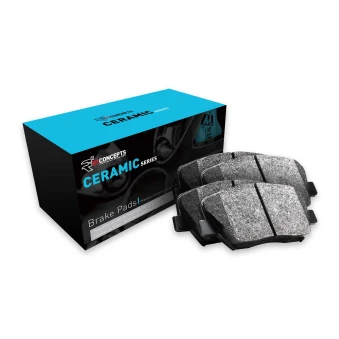
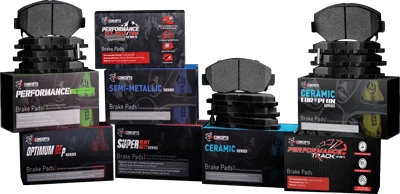
You may prefer ceramic brake pads because they generally operate quietly and produce less visible brake dust. Their friction material also provides consistent braking across temperatures you commonly encounter during normal everyday road use. R1 CERAMIC Series Brake Pads suit you when quieter braking, cleaner wheels, and dependable everyday operation matter.
Ceramic materials can also provide you with longer service life compared with some other friction compounds. These pads contain low levels of copper and are asbestos-free, supporting cleaner everyday braking for your Highlander. Their material composition also produces less brake dust than many semi-metallic and organic alternatives you might consider.
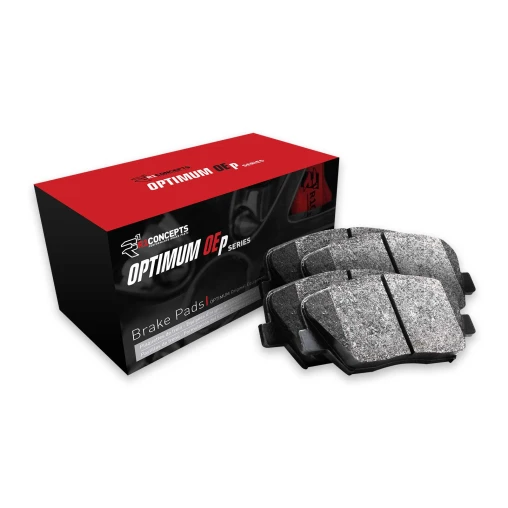
You can choose OEM-style aftermarket pads when you want braking characteristics and fit similar to factory equipment. They provide you with an aftermarket replacement option while maintaining familiar performance during normal everyday driving conditions. R1 OPTIMUM OEp Series Brake Pads provide a direct-fit replacement when you select the correct compatible application. You should not need modifications to the pad or surrounding components when selecting the proper vehicle application.
Your choice may ultimately depend on the braking priorities you value most for your Highlander and driving. Ceramic pads suit you when dust and noise matter, while OEM-style replacements emphasize familiar braking characteristics and value.
Brake Pad Maintenance and Troubleshooting
Regular inspections help you identify worn pads and related brake problems before they become more noticeable. Check your pads and surrounding components during routine maintenance and whenever your Highlander’s braking behavior noticeably changes.
Common warning signs include:
- Squeaking or grinding noises
- A spongy brake pedal
- Vibration while braking
- Reduced braking performance
You may hear squeaking because of oxidation, component alignment, or worn parts no longer sitting correctly. Repeated heat and pressure can contribute to these conditions as your brake components continue accumulating normal wear. Depending on the cause, you may need rust removal, component realignment, or checks for secure brake installation. Grinding or other severe noises deserve prompt attention because they may indicate more advanced wear within your brakes.
You should also investigate vibration while braking instead of continuing to ignore changes in your pedal feedback. Your pads, rotors, mounting surfaces, and related hardware may all require inspection before identifying the exact cause.
Inspect your brake pads at least once a year to monitor their condition and identify developing wear. Check them sooner if you notice noise, vibration, changed pedal feel, or weaker braking from your Highlander. Routine inspections also let you examine your rotors and hardware while those surrounding brake components remain accessible. Replacing your pads without checking nearby parts can leave another existing braking problem unnoticed during routine maintenance.
Frequently Asked Questions
What types of brake pads are available for the 2018 Toyota Highlander?
You can choose ceramic and OEM-style aftermarket brake pads as two common options for your Highlander. Ceramic pads provide quieter operation, reduced dust, and long service life, while OEM-style pads emphasize familiar braking.
What are the benefits of ceramic brake pads?
Ceramic brake pads can provide you with quiet operation, reduced brake dust, consistent braking, and good service life. The ceramic pads described here also use low-copper materials and contain no asbestos in their friction composition.
How often should I inspect my brake pads?
Inspect your brake pads at least once a year to monitor wear and identify developing brake problems. Check them sooner when you hear noises, feel vibration, notice weaker braking, or experience changed pedal feel.
Shop R1 Concepts
Your Highlander carries family, cargo, and daily driving demands, so dependable braking matters across changing road conditions.
We offer brake pads, rotors, and kits that let you match those demands to your driving priorities.
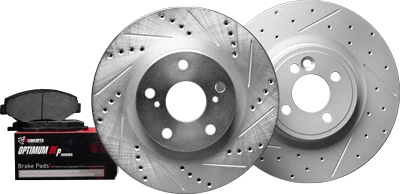
Shop R1 Concepts brake pads, brake rotors and brake kits.