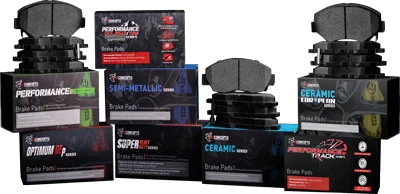
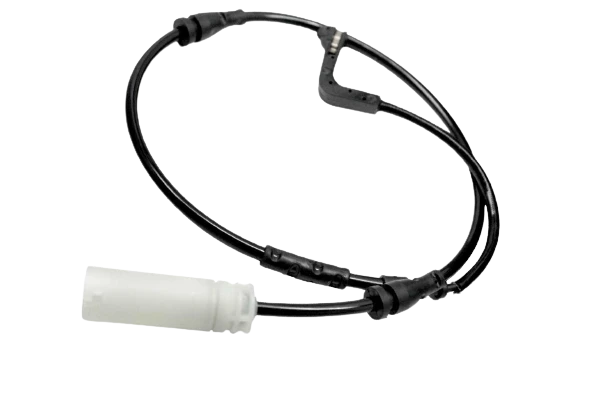
Brake pads are one of the
most important parts in the braking system used in cars. Stopping a car that’s speeding
at say a hundred miles per hour within a few seconds is no mean task, and these
pads take the major brunt of the pressure that is generated in the effort in working
against the great momentum. Cars typically have
brake rotors and brake pads that are pressed against each other to create
a frictional force that quickly convert the kinetic energy into heat energy taking
the steam away from the car’s momentum at every turn of the wheel. There are two
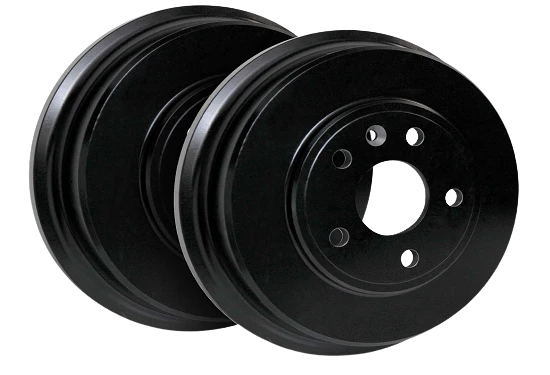
types of braking systems, the drum braking system and the disc braking system. The
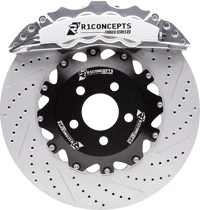
brake discs, which are the
more effective and more popular of the two systems uses a hydraulic line controlled
by the brake pedal to squeeze a set of brake calipers against the brake rotors to
bring it into contact with the brake pads that are attached to the
brake calipers.
Disc brakes are similar
to the system of the
brakes used in bicycles.
The rubber shoes that contact the rim of the tire in traditional bicycles are much
like the brake shoes used in cars. Understandably, the amount of grip needed to
stop a car is much higher than that of a bicycle and this leads to a lot of wear
and tear of the brake shoes. These brake shoes have to be checked regularly for
their condition, because a worn out shoe could be a major safety concern. Previously,
these
brake shoes were made
from organic materials; for instance, one common form of brake shoes used asbestos
glued to carbon with a resin-based compound. Later, however, the U.S. government
banned the use of asbestos and have now been replaced by a material called Kevlar®
for the production of non-metallic brake pads. This material is also widely used
to make bulletproof vests and is extremely resilient.
Major portions of the
brake shoes
that are manufactured today, however, are partly metallic, because they offer more
durability. These brake shoes use a combination of copper, brass, and steel wool
shavings held together with a resin. The good thing about these
brake pads is that they can be changed at longer intervals and often last
for thousands of miles, before you need to change them. However, on the loop side
these semi-metallic brake shoes make a kind of grinding noise when brought in contact
with the rotors. This cannot be avoided, but there are other types of after-market
brake shoes that make less noise than these. These days there are available
brake
shoes that use
shims under their surface, designed in that way so that they create
the grinding noise after they are worn out to a certain point. This sound is a signal
for the driver to check his brake shoes immediately and get them changed as soon
as possible. If not changed quickly they can often cause damage to the rotor. Companies
like
Hawk,
EBC,
Posi-Quiet, and
Axxis are the major manufacturers of quality brake
shoes in the market.